




















wuthering heights movie sparks debate over tone, casting and what the novel really is

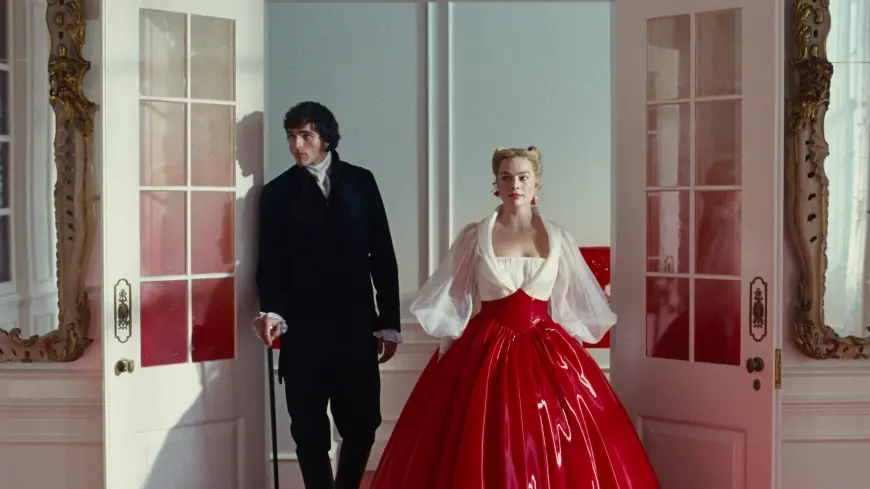
A new film adaptation of Emily Brontë’s singular novel opened the weekend of Feb. 14, 2026 (ET), following early private screenings on Feb. 13, 2026 (ET). The debut has generated a polarized response: some viewers applaud its provocative visuals and contemporary soundtrack, while many critics and readers argue the picture strips away the book’s moral danger and emotional dissonance that make the story so enduring.
Critical split: style praised, emotional core questioned
Reaction from critics has clustered around two fairly distinct complaints. On one side are reviewers enamored with the director’s bold aesthetic choices — a glossy, fetish-tinged production design, a beat-driven pop soundtrack, and daring close-ups that lean into the film’s erotic charge. That visual bravado and maximalist sound design have been described as an attempt to make Brontë’s bleak world feel urgent and provocatively modern.
On the other side are critics who contend that the film misses the novel’s fundamental paradox: that Heathcliff and Catherine are both irresistible and monstrous, and that their love is as destructive as it is all-consuming. The critique is simple but damning: the adaptation neutralizes the moral ambiguity that fuels the novel’s power, recasting its troubled protagonists as stylish, blameless romantic figures rather than the feral, morally compromised people who haunt the book. For those readers, that neutering robs the story of its tension and leaves a handsome but hollow romance in its place.
Casting and representation feed the controversy
Casting choices have become a flashpoint. The actor playing Heathcliff is being widely admired for his star appeal and screen presence, and his chemistry with the actress playing Catherine has animated many audience reactions. But others view the choice as erasing a critical strand of the novel: Brontë’s original presentation of Heathcliff as racially ambiguous and othered, which functions powerfully within the book’s social and emotional dynamics. Critics argue that presenting Heathcliff as conventionally handsome and untethered from that racialized otherness blunts the text’s commentary on exclusion, status and rage.
That conversation has been amplified by early screenings in which audiences — notably a privately rented showing that turned into a boisterous, fan-driven event — responded less like a chamber drama crowd and more like a pop concert audience. The contrast between rapt, rowdy viewers and sober assessments by literary-minded critics highlights how the film’s packaging invites fandom even as it surrenders some of the original’s moral complexity.
What’s gained and what’s lost: a modern fantasia or a missed translation?
The director has framed the project as a fantasia: a deliberately partial reimagining rather than a scene-by-scene fidelity to the novel. In practice that means amplifying sensory detail — flesh-toned wallpapers, latex costumes, and lingering textures — while trimming the multi-generational cruelty and grinding squalor that underpin the book’s bleak logic. For viewers open to a stylized retelling, the film’s aesthetic risks pay off as a provocative mood piece. For readers who prize the novel’s strangeness — its ability to be both unbearably cruel and almost religiously redemptive — the adaptation reads as a loss.
Whatever side audiences take, the debate underlines why this story continues to provoke: it resists neat categorization as either pure romance or pure horror. The new film has reignited that dispute by asking whether a radical visual reworking can capture a story whose power depends on being, in equal measure, monstrous and tender. Box office and awards seasons will measure popular and industry appetite for this sort of reimagining; the conversations already underway suggest the film will remain a lightning rod as long as readers keep insisting that Brontë’s original was stranger and meaner than any glossy remake can fully encompass.