
























winter olympics curling cheating row leaves Canadians asking what it means for the sport

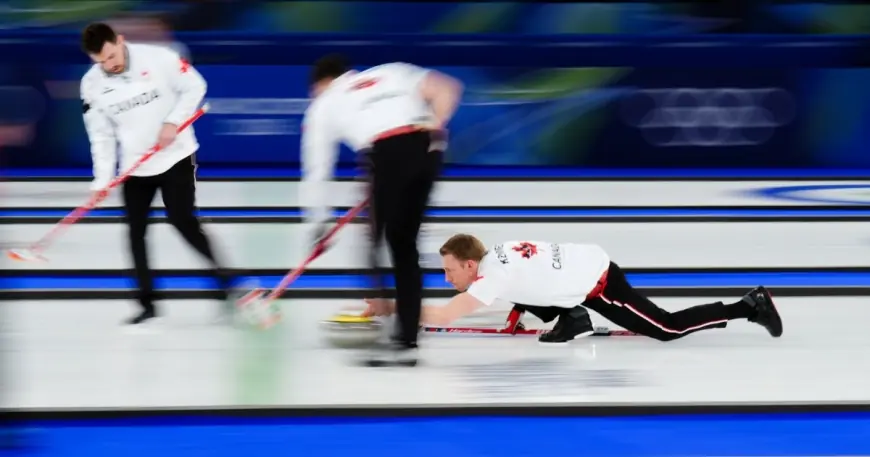
What was meant to be another chapter in Canada's proud curling tradition has become a controversy that has rattled athletes and fans. Accusations of a so-called "double-touch" by a male skip, followed by a similar allegation against a women's captain, set off heated exchanges on the ice and a public debate about integrity and sportsmanship.
How the incident unfolded
The dispute began on Friday when a Swedish player accused a Canadian skip of touching his delivered stone a second time after release. A video clip circulated widely showing a finger near the stone as it slid, and voices on the ice escalated into an expletive-filled confrontation. World Curling issued a verbal warning to the Canadian player for foul language but did not formally charge him with cheating.
The next day, the women's Canadian captain faced the same allegation. Both athletes denied any attempt to gain an unfair advantage. One of the men involved said he could have handled the situation better but defended standing up for teammates, adding that he had curled his whole life with no intention of cheating. The governing body has so far limited its disciplinary action to addressing conduct in competition rather than rule violations on the ice.
Public reaction and the Canadian identity question
Canadians have long associated their national image with politeness and fair play, which has intensified the backlash. On the streets of Montreal, tourists and locals expressed disappointment. "It's a sad day for Canadian sport, " said one fan from Alberta, stressing that integrity matters even if that sometimes requires self-policing. Another visitor echoed the sentiment: "As Canadians, we aren't supposed to do these things. "
Not everyone viewed the controversy as entirely negative. At a historic local curling club, an instructor suggested that while the disputed finger contact likely did not affect the stone, heightened scrutiny could generate interest in the sport. "Do I think his finger affects the rock? No I do not. Do I think we have to play within the rules? Yes, " the instructor said, reflecting a more nuanced community reaction.
What this means for curling and the road ahead
The immediate fallout has centers on two issues: the interpretation and enforcement of rules about stone contact, and the culture of on-ice behaviour. Historically dominant in the sport, Canada's teams now face renewed attention on their tactics and conduct. Fans and officials alike are asking whether current rules and officiating processes are sufficient to handle split-second disputes that can decide ends and games.
World Curling has signalled that language and behaviour will be policed, but the governing body has not escalated the matter into formal cheating charges in these instances. That distinction matters to athletes and spectators: unsportsmanlike conduct draws penalties related to decorum, while a formal determination that a player intentionally altered play would carry heavier competitive consequences.
For the athletes involved, the episode is a test of composure under pressure and of how teams respond publicly. One player defended his actions as a human reaction in a high-emotion moment and declined to apologise for defending teammates. Whether that defense satisfies critics will play out as the Games continue and as officials review footage and match reports.
Beyond rulings and hearings, the legacy of this episode will hinge on whether it prompts clearer rules, better on-ice enforcement, or a cultural reset around sportsmanship. For a nation that prizes fair play, the debate has become about more than a single gesture: it is about preserving trust in a sport that has long been part of the country's identity.