













‘Love Story’ Is Doing daryl hannah Dirty

Published Feb. 18, 2026 ET
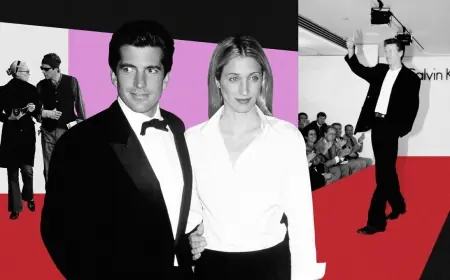
The new dramatization of John F. Kennedy Jr. ’s romantic life has become appointment viewing for many, but its depiction of daryl hannah has drawn fresh criticism. Viewers and commentators say the series reduces a consequential, complicated figure to a one-note antagonist, raising questions about creative responsibility when fictionalizing living people.
Character shorthand vs. human complexity
The show centers on a high-profile triangular romance and, in service of narrative momentum, leans into clear-cut emotional stakes. That storytelling choice is understandable in a crowded television landscape. But several episodes devote disproportionate energy to depicting daryl hannah as petulant, erratic, and overly theatrical—traits some say verge on caricature rather than a textured portrayal.
Critics of the creative approach note that the real-life relationship at the center of the series was messy and tabloid-fueled, a fact the writers do not shy away from. Still, many believe the dramatization crosses a line when it frames Hannah primarily as a petulant obstacle to a more sympathetic romance. The result is less a portrait of a person navigating celebrity and heartbreak than a shorthand villain whose quirks serve the leads’ emotional arc.
Where the depiction lands and why it matters
There are specific scenes that have provoked the strongest reactions—moments that, in viewers’ eyes, seem to exaggerate temperament and behavior for comic or dramatic effect. One sequence that has been widely discussed draws an ill-fitting comparison between the grief of losing a pet and the public figure’s intimate family loss, a choice some find tonally jarring and disrespectful.
Beyond taste, critics argue there is an ethical dimension. When a series reimagines living people or those with surviving contemporaries, decisions about tone and nuance carry consequences. A flattened depiction can reframe public perception and overshadow the complexity of an individual’s actual life. Some commentators have suggested the portrayal is unkind enough that it could prompt a formal response from those depicted.
Creative defense and the limits of adaptation
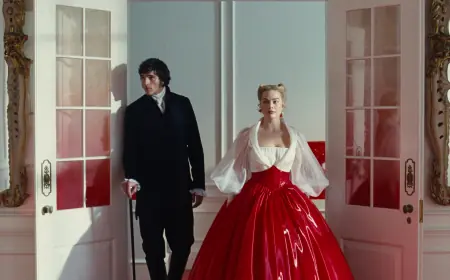
Defenders of the show point out that dramatic adaptations routinely amplify traits to serve story and pacing. Love interests, rivalries, and public scandal are the engine of many successful series; compacting behaviors into sharper edges is a common tool. The casting and performances—crafted to evoke iconic personalities—have been praised even by viewers who take issue with the writing choices.
Still, the current debate illustrates a tension intrinsic to biographical drama: striking the right balance between narrative clarity and fidelity to human complexity. Some viewers say the series could have achieved the same romantic stakes without reducing daryl hannah to a simplistic foil. Others argue that heightened presentation is part of the genre’s DNA and that viewers should expect dramatized liberties.
As the season progresses, the creative team will face pressure from audiences and critics alike to deepen characters who have so far felt schematic. Whether the remainder of the series recalibrates its depiction or doubles down on stylized conflict will shape the conversation around how storytellers treat real people when they take center stage in fiction.
For now, the show remains a cultural moment—praised for lead performances while scrutinized for the way it treats those on the margins of the central romance. The debate over daryl hannah’s portrayal underscores a broader question for writers and producers: how to dramatize famous lives without flattening the people behind them.