

























'A sad day': winter olympics curling cheating row unsettles Canadians

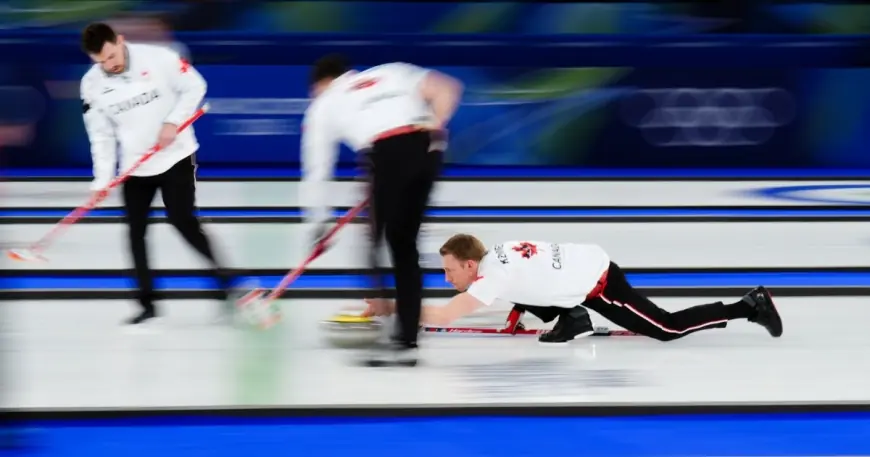
The Canadian curling program has been thrust into an unexpected controversy after allegations of illegal stone contact and an expletive-filled on-ice confrontation. The incident, which unfolded over the weekend, has prompted intense scrutiny of tactics, questions about sportsmanship and a visible public reaction back home.
The incident on the ice
The controversy began on Friday (ET) when a Swedish player accused Canadian curler Marc Kennedy of "double-touching" — making contact with the stone a second time after releasing it. A video of an angry exchange between Kennedy and his opponent circulated widely, appearing to show Kennedy pushing a stone with his finger after release.
Kennedy responded emotionally during and after the match, later saying he might have handled his outburst better but defended his right to stand up for his teammates. He also suggested his team could be the target of a "premeditated" attack by rivals. The governing body issued Kennedy a verbal warning for foul language but did not formally charge him with cheating.
The next day, the women's side of the Canadian program faced a similar accusation when captain Rachel Homan was alleged to have used the same move. Both athletes have denied any intent to gain an unfair advantage and stressed a lifetime of play without deliberate rule-bending.
Public reaction and the curling community
The exchanges and the footage have unsettled many Canadians who see curling as an extension of the country's polite sporting image. Fans caught on the street expressed disappointment. "It's a sad day for Canadian sport, " said one fan from Alberta, noting that integrity is central even if it means policing oneself. Another fan observed that such incidents clash with expectations about Canadian behavior in sport. A third remarked that without sportsmanship, competition loses its meaning.
Within the curling community there was a more measured response. At a historic curling club in Montreal, an instructor suggested the publicity could drive interest in the sport while also underscoring the need to follow the rules. "Do I think [Kennedy's] finger affects the rock? No I do not. Do I think we have to play within the rules? Yes, " the instructor said, reflecting a divide between instinctive reactions to the footage and technical interpretations of impact.
Aftermath and implications
The episode has placed Canada’s historically dominant curling teams under an uncomfortable microscope. Fans and commentators are debating whether split-second actions at the delivery line were innocent or tactical, and whether the sport's self-policing culture is enough to settle such disputes.
For the athletes involved, the controversy adds an unwelcome distraction amid the pressure of Olympic competition. Kennedy acknowledged the emotional intensity and defended his record of play, saying he has never curled with the intention of gaining advantage through cheating. The governing body’s decision not to levy a formal cheating charge will calm some observers, but the public dialogue about sportsmanship and fair play is likely to continue for the remainder of the Games.
Beyond immediate disciplinary considerations, the row raises questions about how curling and other judged or touch-sensitive sports will handle disputed contact in a high-stakes, broadcast-driven era. The viral nature of the footage has shown how quickly a moment can become emblematic of larger cultural expectations, and how athletes and teams must manage both on-ice performance and off-ice perception.
As the tournament proceeds, Canadians and curling fans worldwide will be watching not just for medals but for how the sport addresses the rift between competitive edge and the long-standing ideal of sportsmanship.