
















ramadan events across north-west England set to begin this week

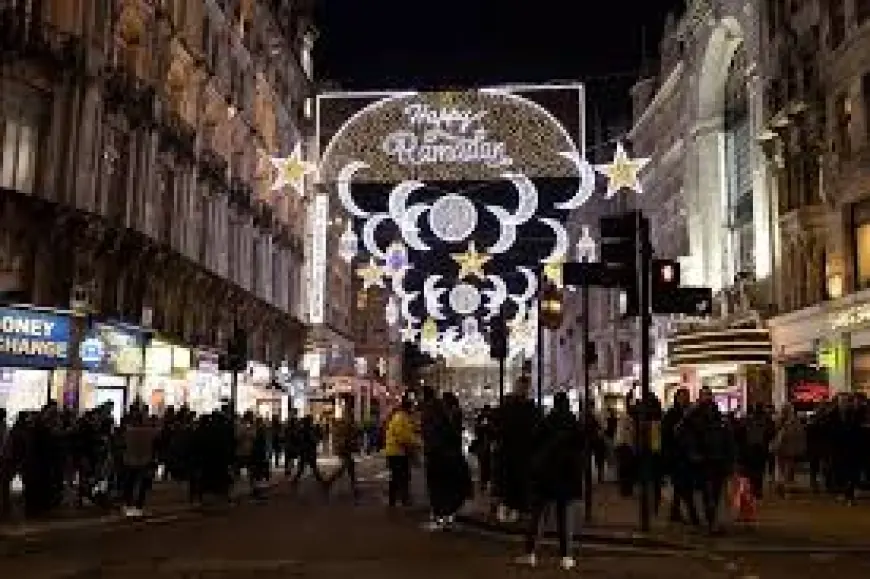
The Islamic holy month of ramadan is due to begin later this week, with mosques and community groups across north-west England preparing a programme of prayers, public iftars and charity drives. The month’s exact start will depend on the sighting of the new moon, with sunset expected to mark the beginning on either Tuesday, February 17, 2026 or Wednesday, February 18, 2026 (ET).
What ramadan means and how it is observed
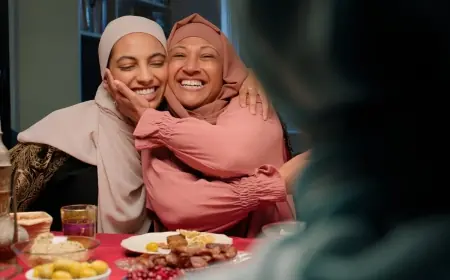
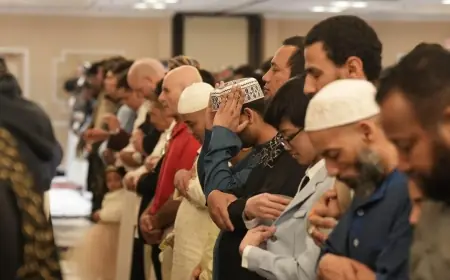
Ramadan is the ninth month of the Islamic lunar calendar and is regarded as a sacred period that commemorates the revelation of the Quran in the 7th century. Observant adults refrain from food and drink, including water, smoking and sexual relations from dawn until sunset, using the fast as a time for spiritual reflection, increased prayer and charitable action. Mosques commonly hold special night prayers throughout the month, and many communities gather after sunset for iftar — the meal that breaks the daily fast.
Fasting hours vary by location and the lunar cycle. For much of the region the daily fast will begin at dawn, around 12: 00 a. m. ET, and end at sunset, close to 12: 30 p. m. ET, though exact times will shift slightly from day to day. The end of ramadan comes after 29 or 30 days and is marked by the festival of Eid al-Fitr.
Not everyone is required to fast. Exemptions include those who are ill, travelling, menstruating, pregnant or breastfeeding; those unable to fast for legitimate health reasons can make up missed days later when possible.
Ramadan across north-west England: communities and events
About 560, 000 Muslims live across north-west England, reflecting significant communities in Greater Manchester and Lancashire and smaller populations in other local authorities. Nationally, the 2021 census found roughly 3. 9 million Muslims in England and Wales, representing around 6. 5% of the population.
Local organisers are arranging a variety of ways to mark the month. Mosques will host nightly prayers and communal iftars; some civic centres and community groups are staging public events to welcome people of different backgrounds to learn about the traditions of the month. Charity initiatives commonly increase during ramadan, with food drives and fundraising efforts targeted at local as well as international causes.
Traditional foods play a role in daily observance. Many families break the fast with familiar delicacies such as fava beans (often called fuul in Arabic), alongside dates, soups, and regional specialities. Community-run kitchens and voluntary organisations often provide iftar meals free or at low cost to ensure everyone can take part in the daily breaking of the fast.
Practical information for observers and the public
Those observing ramadan should confirm precise dawn and sunset times with their local mosque or community timetable, since daily prayer and fasting windows are set locally and may vary. The anticipated start of the month falls at sunset on either February 17 or 18, 2026 (ET), contingent on the new moon sighting.
Visitors to public services or employers planning around the month are advised to be considerate of altered schedules for colleagues and clients who are fasting, particularly for mid-day meetings or events. Many employers and schools accommodate changes by allowing flexible hours or quiet spaces for prayer.
For residents interested in joining community iftars or learning more about local events, community centres and faith groups traditionally publish programmes in the days leading up to ramadan and throughout the month. These gatherings are intended to promote understanding and provide practical support for those taking part in the fast.
Ramadan’s combination of fasting, prayer and charity makes it a visibly active period for Muslim communities, and north-west England will again see a full calendar of observances over the next month.