

















Why Chiefs Shouldn't Seek tyreek hill Reunion: Nostalgia Could Backfire

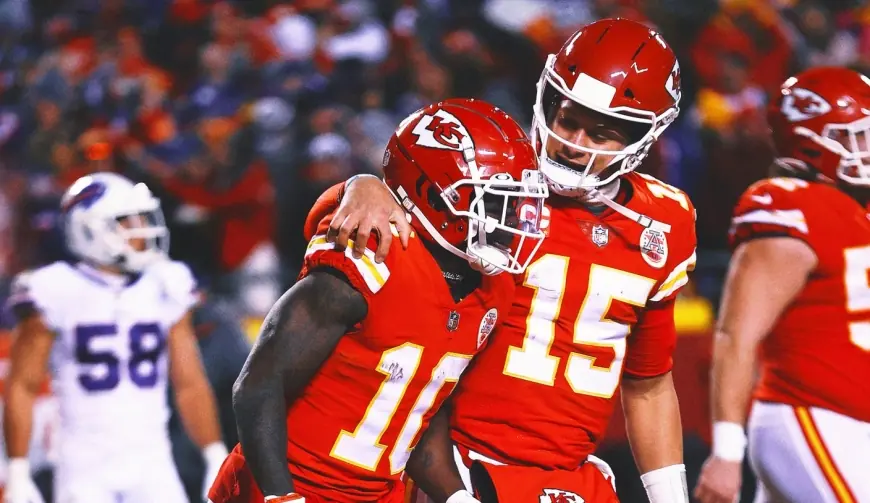
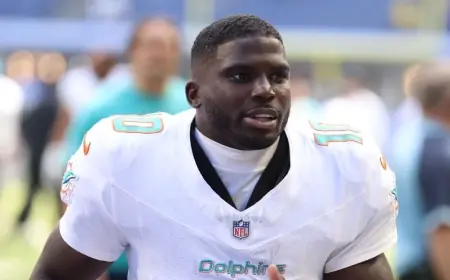
Tyreek Hill's sudden availability has reignited talk of a homecoming to Kansas City, but former-pro voices and contract realities suggest a reunion would be a risky, expensive bet. Hill's recovery from a severe knee injury and an open league conduct review add layers of uncertainty the Chiefs can ill afford as they try to rebuild after a 6-11 season.
On-field questions: injury, age and the true return on investment
Hill will turn 32 in March and is currently rehabbing from an ACL tear coupled with a dislocated knee — injuries that carry meaningful performance risk for a player whose game relies heavily on burst and sudden change of direction. Even if medical reports are optimistic, the odds that a team will get the exact same playmaker who dominated much of the past decade are not guaranteed.
Kansas City's receiving corps offers additional reason for caution. No Chiefs receiver topped 600 receiving yards last season, and several key veterans are scheduled to hit free agency. That might create the appearance of an urgent need for an impact wideout. But signing a high-profile veteran coming off a major knee injury would be the opposite of a conservative reset: it replaces multiple controllable roster questions with a single high-cost gamble on health and production.
Industry estimates place the team roughly $55 million over the salary cap entering the offseason, which will sharply limit flexibility. Some analysts project Hill could command on the order of $18 million for a one-year bridge in 2026 — roughly half his 2025 payout — but even that sum would require significant cap maneuvering. For a franchise already juggling extensions and potential retirements, redirecting scarce dollars to a single veteran may not be the most efficient path back to contention.
Off-field uncertainty compounds the roster calculus
Beyond medical concerns, Hill remains under an active Personal Conduct Policy review by the league. The probe, which the league has confirmed is ongoing, stems from allegations that surfaced last year and includes scrutiny of past incidents. Any team that signs Hill would assume not only the risk that he may not immediately return to peak form, but also the possibility of future discipline that could sideline him during the season.
That combination — medical unknowns plus an unresolved conduct review — shifts the calculus away from headline-grabbing signings. Teams looking to add reliably available playmakers and younger contributors may prefer targets with fewer off-field questions and clearer projections of availability. For a club balancing cap constraints, the prospect of a midseason suspension or extended absence only magnifies the downside of investing heavily in one veteran.
Safer roster moves could move the needle more reliably
Some former players and analysts have urged the Chiefs to resist nostalgia. The argument is straightforward: with a 30-year-old quarterback recovering from a significant knee issue and several pieces of the offense needing answers, the franchise should prioritize stability and cost-effective upgrades. That could mean re-signing key contributors who fit the scheme, targeting mid-tier receivers who provide dependable snaps, or focusing on retaining defensive help that stabilizes the roster.
Another priority for the franchise will be decisions around veteran leadership and continuity. Tight end production and the health of the quarterback position remain central to any realistic rebound. Rather than anchoring a comeback on a single splash acquisition with multiple red flags, a phased approach that spreads risk across the roster would likely offer a better chance to restore competitiveness.
Ultimately, pursuing tyreek hill would be an emotionally satisfying storyline, but narratives rarely win championships by themselves. With cap pressure, injury recovery, and a pending league review all in play, the smarter path for a team in transition is measured improvement, not a headline-driven gamble.