

























pam bondi's combative hearing fuels fresh debate over oversight, Epstein files and survivors' demands

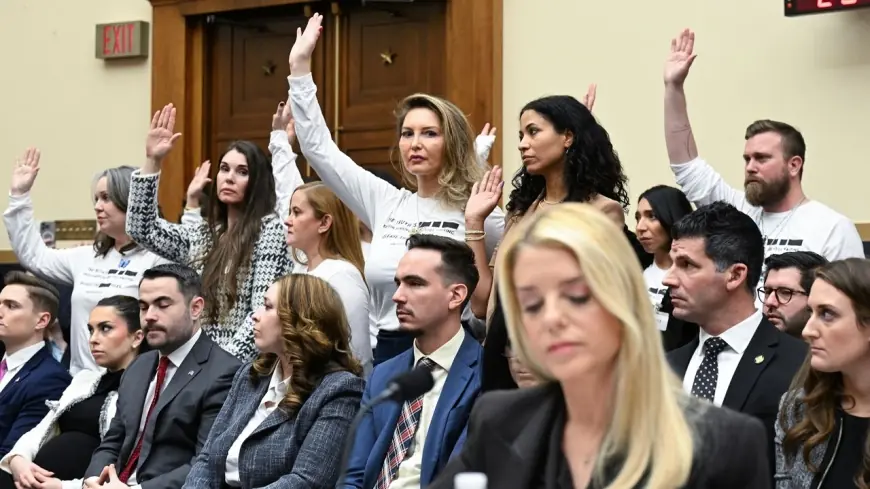
In a marathon congressional hearing that stretched more than four hours, the former state attorney general turned federal official delivered terse answers, blistering personal attacks and pointed defenses of the administration she serves. The session left lawmakers frustrated, survivors outspoken, and oversight watchers warning that routine oversight is fast becoming performative theater.
Heated exchanges, a tabbed binder and open contempt for questioning
The hearing quickly deteriorated into a series of confrontations. At one tense moment, she barked at a senior Democratic member: “You don’t tell me anything, you washed-up loser lawyer. Not even a lawyer. ” The clash was emblematic of a broader pattern: barbed retorts, frequent interruptions and what many attendees characterized as a refusal to engage on the merits of requests for documents and lists.
Lawmakers pressed for basic information tied to departmental priorities, including designations related to domestic extremist groups, yet were met with a mix of deflection and counterattacks. At times she flipped through a tabbed binder—a dossier of political opposition and district-level crime incidents—that critics said amounted to a prearranged roll call of distractions rather than answers. That tactic, combined with repeated appeals to past actions of predecessors, created an atmosphere in which oversight questions routinely went unanswered.
Epstein files, partisan sparring and survivor outcry
The hearing resurfaced longstanding tensions around access to files connected to Jeffrey Epstein. A Republican member who has pushed for release of related records was dismissed by the official as a “failed politician” suffering from what she mocked as political fixation. The exchange underscored how even ostensibly procedural demands can quickly turn into partisan theater.
Outside the hearing room, survivors and advocates reacted with scorn. One survivor’s blunt assessment—“People are willing to protect pedophiles if the price is right”—captured the distrust and anger many feel about perceived obstructions to full transparency. That sentiment has fueled renewed demands for Congress to press harder for document releases and clearer explanations of prosecutorial decisions tied to high-profile investigations.
Several members noted that the session featured more rhetorical flourishes than factual disclosures. Interrogations intended to probe policy and accountability repeatedly collided with scripted rebuttals, leaving the central questions about case handling and internal review protocols largely unresolved.
What the hearing means for oversight and public trust
For oversight committees, the hearing highlights a growing problem: when witnesses treat oversight as a venue for performance, the substantive work of holding institutions accountable suffers. Members left the room with no new materials and unresolved demands for files tied to controversial prosecutions and high-profile investigations.
For survivors and the public, the episode reinforced a narrative of stonewalling. Even as officials insist they are cooperating within legal constraints, the absence of concrete disclosures fuels skepticism about whether justice systems are being marshaled impartially.
Ultimately, the hearing may deepen polarization around the Justice Department and the role of congressional oversight. If the session is any indication, future oversight efforts will likely grow more confrontational. That dynamic could deliver spectacle and sound bites, but it raises serious questions about whether the mechanisms designed to ensure transparency and accountability can function effectively when every exchange risks devolving into partisan combat.
Lawmakers signaled they will continue to press for documents and testimony, while survivors and advocates vowed to keep public pressure high. Whether that pressure yields the records and reforms many demand remains an open question.