
























Jesse Jackson, civil rights leader and two-time presidential candidate, dies aged 84

Jesse Jackson, a towering figure of the US civil rights movement who later carved out a prominent role in national politics and diplomacy, has died. He passed away peacefully on Tuesday morning ET, surrounded by family, leaving a legacy shaped by decades of activism on voting rights, economic justice and international engagement.
A life forged in the struggle for equality
Born on October 8, 1941, in Greenville, South Carolina, Jackson's early experiences in the segregated South set the course for a lifetime of advocacy. As a teenager he led protests that challenged the barriers of Jim Crow; one early episode saw him and seven fellow students enter a whites-only public library in Greenville on July 16, 1960, an action that helped energize local fights for equal access to public institutions.
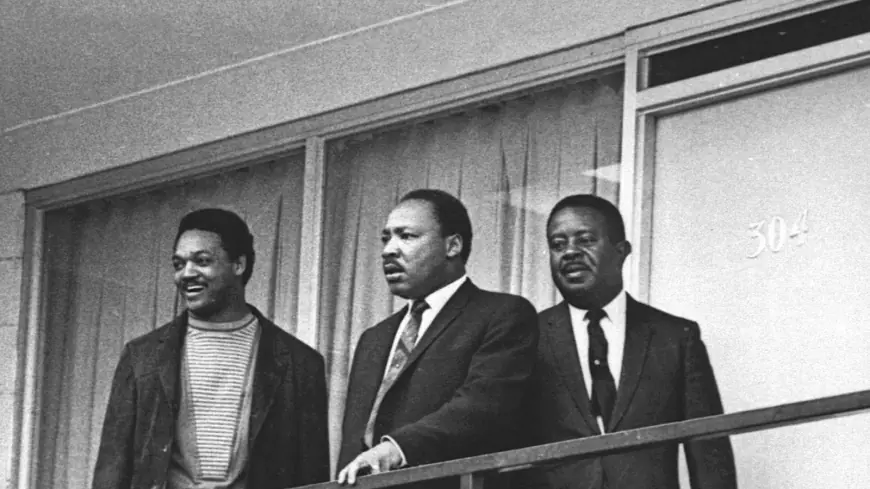
He rose through the ranks of the civil rights movement and became a close associate of its leading figures. Meeting a prominent civil rights pastor shortly before that leader's assassination in Memphis in 1968 proved formative. Jackson built a career demanding expanded access to jobs, education and health care, championing the rights of Black, poor and working-class Americans. He coined and advanced the concept of a "rainbow coalition, " an effort to unite diverse constituencies — Black, Latino, white working-class, and progressive activists — around shared economic and social goals.
Politics, presidential runs and diplomacy
Jackson took his fight into the electoral arena, running for the Democratic presidential nomination twice and transforming how campaigns reached Black and progressive voters. His 1980s campaigns energized a generation of activists, broadened the party's debate on inequality and helped demonstrate that a Black candidate could compete for national office on a platform centered on social and economic justice.
Beyond electoral politics, Jackson used his stature to engage in international diplomacy. Over the years he met heads of state and led high-profile missions to secure the release of hostages and draw attention to humanitarian crises. Those diplomatic efforts reinforced his image as a leader willing to operate on both the streets and the world stage to press for human rights.
Later political leaders acknowledged Jackson's role in reshaping American politics and expanding the political possibilities for Black candidates. His work in organizing, coalition-building and electoral outreach is widely credited with laying groundwork that expanded opportunities within the major parties for historically underrepresented communities.
Health struggles, family and legacy
Jackson battled health problems for more than a decade. He had progressive supranuclear palsy after an initial diagnosis of Parkinson's disease and was hospitalised with Covid twice in recent years. Despite those challenges, he remained a vocal critic of persistent inequalities, particularly during the pandemic. He asked pointedly: "After 400 years of slavery, segregation and discrimination, why would anybody be shocked that African Americans are dying disproportionately from the coronavirus?" and urged sustained action to confront systemic racism and its consequences.
His family summed up his life: "Our father was a servant leader – not only to our family, but to the oppressed, the voiceless, and the overlooked around the world. We shared him with the world, and in return, the world became part of our extended family. His unwavering belief in justice, equality, and love uplifted millions, and we ask you to honor his memory by continuing the fight for the values he lived by. " Their words underline a central truth of his public life: Jackson saw leadership as service, and he expected those he inspired to carry the work forward.
From the segregated libraries of the Jim Crow South to national platforms and international negotiations, Jesse Jackson's career spanned more than half a century. He leaves behind a complex and enduring record — a blend of moral leadership, political ambition and relentless advocacy for people who had long been shut out of the nation's promise.