





















Rupert Lowe launches Restore Britain, drawing hard‑right backing and threatening to split Reform’s vote

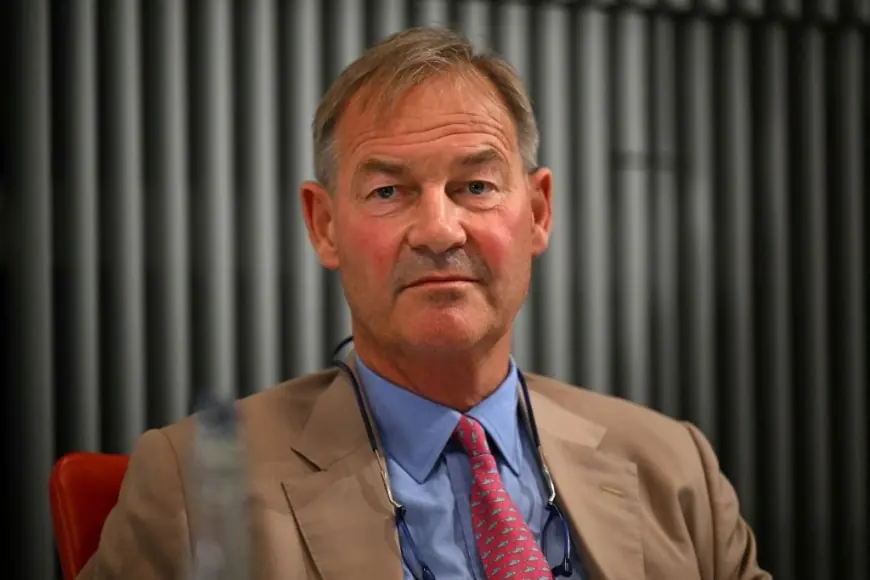
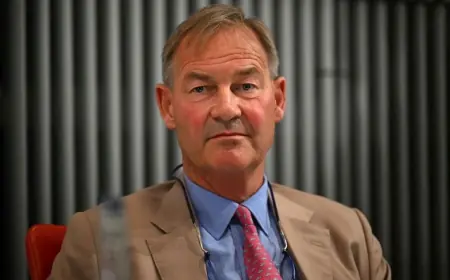
On Friday night in Great Yarmouth, the MP Rupert Lowe formally relaunched his Restore Britain movement as a national political party, promising tough immigration measures and attracting a cadre of hard‑right supporters. The move immediately sparked talk of mergers on the right and raised fresh concerns that the new grouping could fragment the anti‑establishment vote.
A public launch and a sharper platform
Speaking to a packed, vocal crowd at a local theatre, Lowe set out an uncompromising agenda that included proposals for large‑scale deportations. He introduced a slate of local councillors who will stand under the Great Yarmouth First banner and said Restore Britain would act as an umbrella national party partnering with locally based groups.
Lowe is a former member of Reform and was elected MP for Great Yarmouth in July 2024; he now sits as an independent. He had previously suspended ties with his former party following an episode last March in which he was accused of making threats against a party official. Prosecutors later concluded there was insufficient evidence for a realistic prospect of conviction. The MP’s background as a businessman and local figure — and his reputation as a maverick — underpins his claim that a new force on the right can appeal directly to voters who feel detached from mainstream politics.
Alliances, amplification and the risk of vote‑splitting
Within days of the launch, other parties and figures on the right began signalling possible cooperation. A rival hard‑right grouping led by a former deputy leader has said it will consider a merger, while street‑facing activists who mobilise against asylum‑housing plans have shown eagerness to work with Restore Britain.
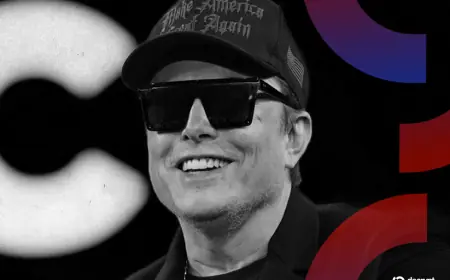
Social media amplification has been notable: prominent online accounts sympathetic to hard‑right themes have boosted Lowe’s messaging, and high‑profile endorsements from outside politics have raised the party’s profile. One billionaire tech figure shared Lowe’s launch video and urged followers to join Restore Britain. That kind of amplification, combined with a cohort of young online activists and influencers, gives the party reach beyond its initial local base.
Political strategists warn the emergence of Restore Britain could be electorally consequential. In the last general election, dozens of constituencies were won by margins of less than 2%, and many by roughly 1, 000 votes. Small, ideologically proximate challengers can therefore have outsized impact under first‑past‑the‑post, potentially costing larger challengers seats or altering national arithmetic in tight contests.
Internal fallout and the wider right‑wing landscape
Lowe’s decision to formalise the movement into a party has prompted resignations from its advisory board among senior figures who had been linked when it was a pressure group. That retreat highlights the reputational risks for mainstream conservatives in associating with a party that openly courts hard‑line immigration policies and ethnonationalist rhetoric.
For the broader right, the launch revives questions about unity and strategy. The political space outside the two main parties is crowded: established challengers have in recent years both reshaped and splintered the right’s options. Restore Britain now joins a patchwork of outfits seeking to capitalise on disaffection, and its success will hinge on whether it can convert online attention and local organisers into durable, geographically concentrated support.
For Reform, the immediate challenge is containment: a hard‑right challenger that siphons votes in marginal seats could blunt Reform’s push to convert protest into parliamentary gains. For Lowe, the gamble is that a clearer, more radical identity will attract enough activists and donors to build an electoral machine — but it may also harden divisions that leave the right weaker overall at the ballot box.