




















Rupert Lowe launches Restore Britain as national party, drawing hard‑right backing

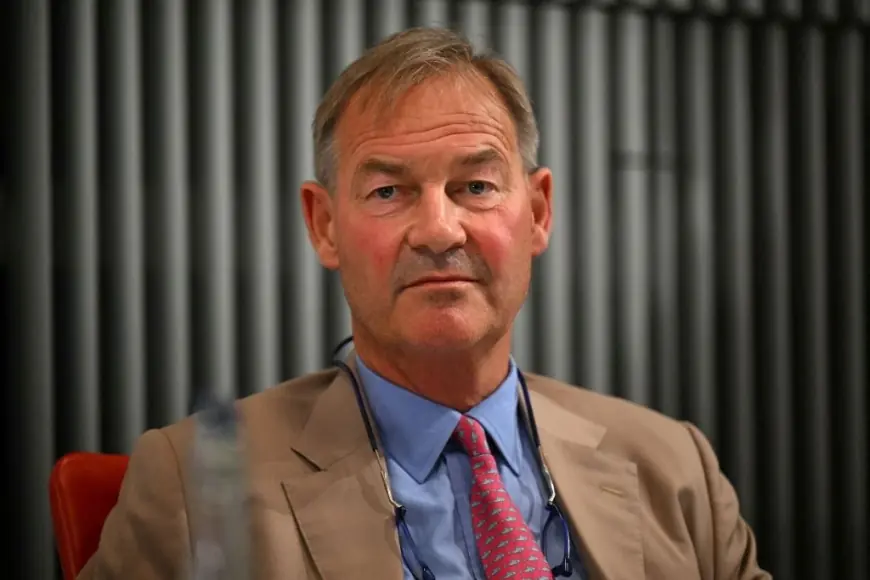
Rupert Lowe declared his Restore Britain movement a national political party at a packed event in Great Yarmouth, pledging a hard‑line immigration agenda and attracting swift endorsements from figures and groups to the right of the mainstream. The development ratchets up pressure on an already fragmented right‑wing scene and risks splitting votes in marginal seats.
Hard‑line rhetoric, high‑profile endorsements
At a cold, crowded theatre on the town’s seafront, Lowe used the launch to outline a stark policy platform, promising aggressive measures on immigration that he framed as necessary to restore national control. He introduced local councillors who will stand under a Great Yarmouth First banner and said Restore Britain would act as an umbrella for similar locally based groups as it expands nationally.
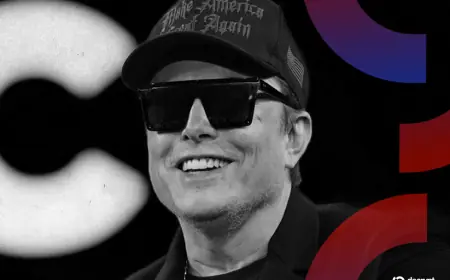
The event drew activists who have cultivated a strong online presence and a cohort of younger influencers who favour a more ethnically exclusive vision of national identity. Senior figures and commentators within that faction voiced support, while another right‑of‑Reform party indicated it was open to talks about a merger. Financial and social‑media amplification has also followed: one prominent tech billionaire has publicly boosted Lowe’s project on social platforms, increasing its reach.
Lowe’s emergence as a national contender follows his split from a better‑known right‑wing party last year. He had previously been suspended amid allegations that led to a prosecutorial review which concluded there was insufficient evidence to bring charges. As an independent MP he retains a profile in his coastal constituency, and local polling shown privately to party actors suggests he remains a significant force in the area.
Electoral consequences for Reform and the wider right
Political strategists warn that the arrival of Restore Britain on the national stage could chip away at support for other parties on the right, particularly in constituencies decided by narrow margins. Following the last general election, dozens of seats were won by margins of fewer than a few thousand votes. In such battlegrounds, even a small fracturing of the right‑of‑centre vote can prove decisive.
Commentators argue that the proliferation of parties campaigning on overlapping platforms—Reform, Restore Britain, and other minor groups—may produce a classic first‑past‑the‑post squeeze. That dynamic could benefit the larger parties by consolidating the anti‑fragmentation vote or force rival right‑wing leaders to shift their messaging to retain support, with potential knock‑on effects for coalition arithmetic in any future hung parliament.
Restore Britain’s branding and rhetoric already differentiate it from other right‑of‑centre outfits on some policies, such as proposals for large‑scale removals and tighter cultural measures. But the similarity of names and overlapping policy themes runs the risk of voter confusion at the ballot box, a complication that could blunt the electoral impact of every group standing on that flank.
The new party also inherits a local base. Lowe intends to contest his Great Yarmouth seat again, backed by his Great Yarmouth First partners, and has signalled an ambition to contest county council contests where local parties have been building. Meanwhile, street‑level protest movements linked to like‑minded organisers continue to mobilise in towns concerned about asylum accommodation and national immigration policy.
As Restore Britain moves from a movement into a formal party, departures from its advisory ranks have already been signalled by some former allies uneasy about the shift to national electoral politics. How quickly Lowe can convert online and street support into sustainable electoral organisation will determine whether Restore Britain becomes a disruptive force or a marginal irritant in the coming campaign cycle.