






















Chinese New Year 2026: Year of the Horse ushers in rituals, robots and global celebrations

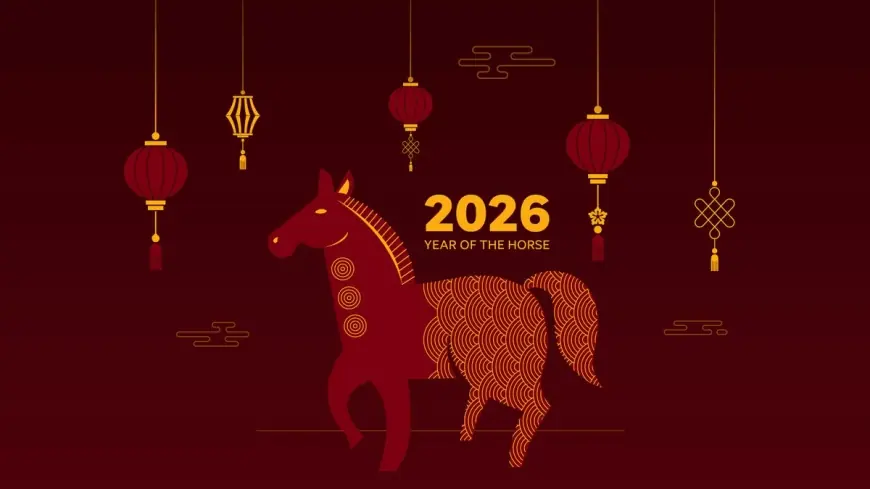
The Lunar New Year began on Feb. 17, 2026 (ET), ushering in the Year of the Horse and a wave of ceremonies, public holidays and community gatherings across the globe. The festival — observed for roughly two weeks each year — combined long-standing customs such as incense offerings and family reunion dinners with distinctly modern flourishes, including high-tech performances and public forecasts from feng shui practitioners.
Traditions, timetable and what to expect
The festival officially opened on Feb. 17, 2026 (ET) and runs through the Lantern Festival on March 3. Many communities observe an extended public holiday window; in several regions the holiday period stretches through Feb. 23. The Lunar New Year remains the most important annual observance in many East Asian societies and is widely celebrated by diasporas around the world.
Preparatory customs continued in homes and temples: thorough cleaning to sweep away misfortune, hanging spring couplets and red lanterns, and buying new clothes to start the year afresh. Families gathered for reunion dinners on New Year’s Eve — an occasion often described as the most important meal of the year — sharing dishes that vary regionally from dumplings and noodles in the north to rice cakes in the south. Red envelopes with money and fireworks are traditional ways to convey good wishes and drive off bad luck.
Religious and communal rites took place from midnight onward in many cities. Temple-goers lit incense and bowed at altars, while some temples rang bells multiple times as an auspicious act of cleansing and renewal.
Modern spectacles and feng shui forecasts
This Year of the Horse blended the ancient with the contemporary. Televised gala performances and public countdowns included cutting-edge elements: humanoid robots joined children in martial arts sequences and shared the stage in choreographed displays that highlighted advances in robotics and artificial intelligence. These segments underscored a broader push toward showcasing technological progress alongside cultural heritage.
Feng shui practitioners offered forward-looking guidance tied to the Horse’s symbolic traits. The Horse is commonly associated with energy, movement and independence, so public advice emphasized harnessing momentum rather than waiting for chance. Recommended strategies focused on networking, career initiative and practical financial management, while cautions centered on tempering impulsivity and avoiding hasty financial decisions. Traditional color and decor suggestions aimed at enhancing luck for the year — such as incorporating warm, vibrant hues — circulated among households and businesses preparing for the new cycle.
Global celebrations and cultural resonance
Communities around the world marked the new year with fireworks, light shows and cultural performances. Major cities staged outdoor concerts, dragon and lion dances, and lantern displays, while food stalls and street festivals served seasonal specialties. In Southeast Asia, large public countdowns and fireworks complemented family gatherings; in East Asian capitals, temple rituals and floral offerings drew early-morning crowds seeking blessings for the year ahead.
Celebrations also reflected local flavors: snowy streets in some northern cities were brightened with red lanterns and dragon parades, while coastal and southern hubs favored seafood and rice-based specialties. Diaspora communities organized performances and martial arts demonstrations that fused tradition with community pride, attracting thousands to public squares and Chinatowns in cities worldwide.
The Year of the Horse arrives as a reminder of how cultural tradition and modern innovation coexist. For many, the festival is both a time to honor ancestors and an opportunity to set intentions for the year: to build momentum in careers and relationships, practice financial prudence, and embrace public life with renewed energy.