
























‘Love Story’: Inside Jackie Kennedy’s Final Days

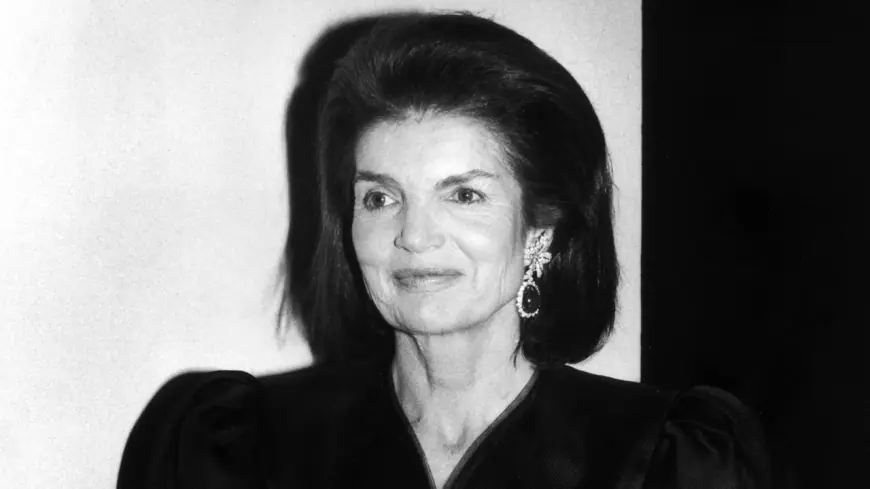
New accounts of Jacqueline Kennedy Onassis’s final weeks have renewed interest in the private rituals and public honors that closed the life of one of America’s most enduring cultural figures. The portrait that emerges is of a carefully curated farewell—intimate family readings at a church that shaped her youth, a high-profile eulogy, and a graveside interment that reinforced the link between her life and the nation’s modern history.
A private farewell at St. Ignatius Loyola
The memorial service took place at St. Ignatius Loyola in New York City, a parish with personal meaning for Jackie: it was where she had been baptized and confirmed as a teenager. The choice of venue underscored the ceremony’s private, familial tenor even as it drew national attention.
Family and close friends formed the core of those present. Caroline Kennedy read “Memory of Cape Cod” by Edna St. Vincent Millay, a poem long associated with her mother. Maurice Tempelsman, a longtime companion, delivered a reading of C. P. Cavafy’s “Ithaka, ” offering a reflective, personal farewell that framed Jackie’s life as a journey toward wisdom.
Former President Bill Clinton delivered a notable eulogy, calling Jackie a “remarkable woman” and expressing the hope that the eternal flame for President John F. Kennedy would “burn brighter” in the memories of those who knew and admired her. The remarks emphasized both her public role and private resilience, striking a balance between national symbolism and intimate remembrance.
Arlington interment and the preservation of legacy
Following the service in New York, Jackie was laid to rest at Arlington National Cemetery in a graveside service conducted by retired Archbishop Philip J. Hannan, a longtime family friend who had also ministered at President Kennedy’s funeral more than two decades earlier. Her burial at Arlington made her the second First Lady to be interred there, joining an earlier generation in a resting place charged with civic meaning.
Musical and ceremonial elements at the interment highlighted both military ties and familial devotion. The Navy Sea Chanters performed “Eternal Father, Strong to Save, ” honoring President Kennedy’s naval service and reinforcing the bond between the family’s private grief and public commemoration.
Family, friends and honorary roles
The tone of the farewell was shaped by those closest to her. Attendees included children and relatives who offered readings and prayers, while longtime companions and friends participated in processions and memorial rituals. The presence of multiple generations underscored the extent to which Jackie’s life bridged private family narratives and the nation’s collective memory.
Honorary pallbearers underscored the reach of her personal and political connections. Those named in honorary roles included prominent family members and close associates, a reminder that the ceremony blended intimacy with public ritual. The list of honorary pallbearers reflected both blood ties and decades of friendship.
What emerges from recent accounts is a picture of a farewell carefully controlled in tone and content: elegant, spare, and weighted with symbolism. From the parish that marked crucial moments of her youth to the national shrine of Arlington, the sequence of events presented Jackie Kennedy Onassis as an individual who managed, even in death, to shape the narrative of her life and legacy.
For historians and the public alike, the ceremonies offered a final chapter that balanced personal grief with formal tribute—anchoring Jackie’s place in American memory not only as a figure of style and culture but also as someone whose life remained tightly linked to the nation’s story.