
















'Love Story': Inside Jacqueline Kennedy Onassis’s Final Days

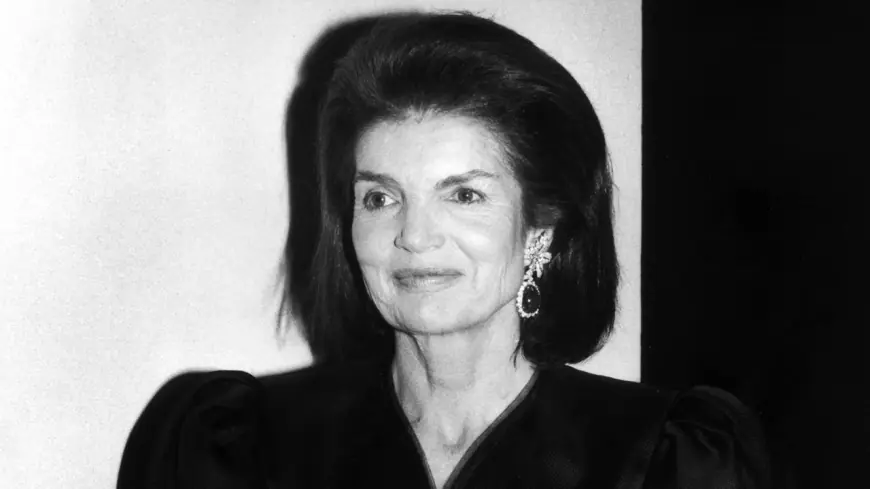
Jacqueline Kennedy Onassis's final public farewell combined private ritual, high-profile attendees and ceremonial honors that reflected her unique place in American life. The service at St. Ignatius Loyola in New York City and the subsequent burial at Arlington National Cemetery stitched together family mourning, public remembrance and long-standing traditions that marked the end of a life lived under intense scrutiny.
A private farewell at St. Ignatius Loyola
The church chosen for the funeral held deep personal resonance: it was the site of her baptism and confirmation during her teenage years. The congregants included close family and long-time friends, and the mood was intimate rather than performative. Caroline Kennedy and other family members sat prominently, offering readings and remembrances that were carefully selected to reflect private affinities and public memory alike.
Caroline read “Memory of Cape Cod” by Edna St. Vincent Millay, a poem known to be a favorite of her mother. Another intimate moment came when Maurice Tempelsman, a longtime companion, recited “Ithaka” by C. P. Cavafy. Those choices underscored a preference for literary, contemplative farewells over conventional funeral oratory and gave the service a personal, reflective tone.
Former President Bill Clinton delivered a eulogy that described Jackie as a “remarkable woman, ” invoking the couple’s shared history and the enduring image of the eternal flame that honors President John F. Kennedy. Clinton framed the loss in terms of legacy, urging that the flame she helped sustain would continue to burn in the hearts of those she touched. Other attendees included family members and close friends who joined the processional that followed the Mass.
Arlington interment and military honors
The graveside ceremony at Arlington National Cemetery further affirmed Jackie’s standing in the ceremonial life of the nation. The graveside service was conducted by a family friend who had led notable eulogies in the past, linking this final rite to an earlier chapter of national grief and remembrance. Her interment at Arlington also placed her among the small number of first ladies laid to rest on hallowed ground, a rare honor that tied her personal story to the broader narrative of the presidency.
Military tradition and solemn music marked the procession to the burial site. A naval choir performed “Eternal Father, Strong to Save, ” a piece that paid direct tribute to President John F. Kennedy’s naval service and resonated with elements of ritual that emphasize national service and sacrifice. The combination of religious observance and military homage resulted in a farewell crafted to acknowledge both private loss and public symbolism.
Honorary pallbearers included a mix of family members, friends and figures connected to the family’s public life. The list reflected longstanding personal relationships as well as ties to the political and civic circles that shaped much of Jackie’s adult life. Those participating in the final rites moved through a choreography of grief and respect, balancing intimacy with the formalities expected at a burial of this stature.
Legacy in an intimate public goodbye
The overall tenor of the services was one of restrained dignity. Readings chosen for their personal resonance, a eulogy that centered character over spectacle, and the burial at a site of national memory combined to craft a farewell that was quietly emphatic. Family presence and selected public figures underscored the dual nature of Jackie’s life: private roles as a mother and friend, and a public identity shaped by history and ceremony.
For those who watched from afar, the ceremonies offered a final, composed portrait of a woman who navigated grief and public life with a measured reserve. For family and friends, the moments of poetry and prayer provided space for remembrance. Together, they closed a chapter on a life that was both intensely personal and indelibly public.