

























Chinese New Year 2026 ushers in the Year of the Horse with rituals, robots and global festivities

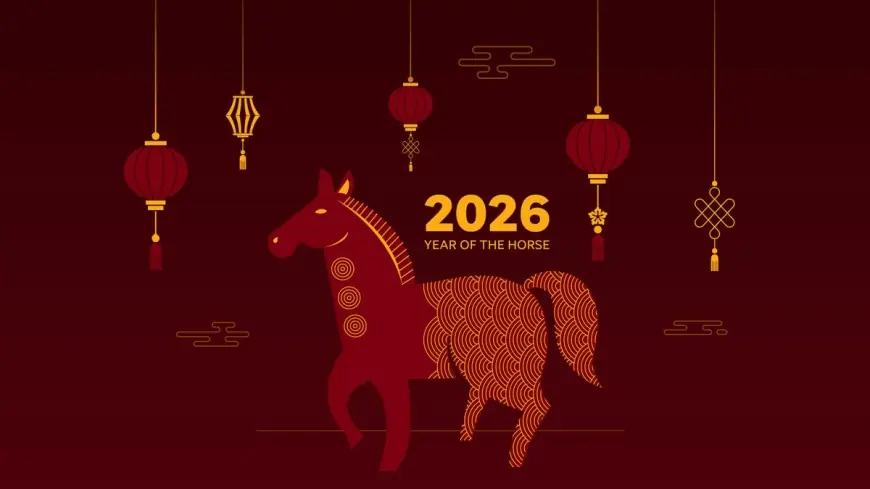
Communities across Asia and around the world celebrated the Lunar New Year on Feb. 17, 2026 (ET), marking the transition into the Year of the Horse. The start of the festival combined centuries-old temple rites and family reunions with modern spectacles — including humanoid robots in prime-time variety shows — as two weeks of public and private observances began.
Temple rites, street parades and tech on the big stage
Homes and public squares filled with red lanterns and firework displays as people rang in the new year. At temples in several major cities, worshippers lit incense, bowed and left offerings in the early hours; one Taipei temple tolled a bell 108 times, a ritual number linked to cleansing and renewal.
On national gala programs, children and humanoid machines shared the stage for martial arts demonstrations that blended tradition and technology. Robots executed choreographed forms and even mimed swordplay alongside human performers, reflecting an intensified focus on robotics and artificial intelligence in cultural showcases.
Festivities ranged from intimate family gatherings to public countdowns and outdoor concerts. In Vietnam, crowds enjoyed live music and fireworks at Tet celebrations. In snowy northern cities, people wandered market stalls selling festive fare; in capital districts, illuminated bridges and skyscraper light shows framed nighttime displays. Celebrations also reached diasporic communities far from Asia — dragon and lion dances and martial arts demonstrations drew thousands at Chinatown events in South American capitals.
Large-scale public celebrations in multiple countries coincided with ongoing diplomatic gestures and cultural exchanges, with some events staged alongside official receptions and cultural festivals.
Timing, traditions and what families observe through March
The Lunar New Year began on Feb. 17, 2026 (ET) and will run through the Lantern Festival on March 3, 2026 (ET). Many workplaces observe a multi-day public holiday; in some places the official break runs from Feb. 17 to Feb. 23, 2026 (ET). Customs span a 15- to 16-day period that culminates with lantern processions, poetry and riddle games.
Preparations for the holiday emphasize renewal and luck: homes are thoroughly cleaned to sweep away the past year’s misfortune, debts are settled to close the books, and doors and windows are decorated with spring couplets. The New Year’s Eve reunion dinner remains the festival’s centerpiece, bringing extended families together for symbolic dishes that vary regionally — dumplings and noodles in northern kitchens, rice cakes in southern ones.
Red envelopes containing money are exchanged for good fortune, and fireworks are common after the family banquet. The final Lantern Festival sees streets illuminated with lanterns and a return of communal games and performances as celebrations wind down.
Outlook for the Year of the Horse and cultural notes
As the calendar turns to the Year of the Horse, a number of feng shui practitioners and cultural advisers released forecasts and guidance for the months ahead, with many households and businesses consulting traditional calendars and advisors for auspicious dates and color choices. Interest in personalized predictions tends to spike at the start of each zodiac year as people look for direction on health, family and career.
Whether through centuries-old temple rituals or cutting-edge stagecraft, this year’s New Year observances showcased how deeply rooted traditions adapt alongside contemporary culture. From incense-lit courtyards to robotic performers under bright lights, the opening days of the Year of the Horse mixed solemnity, spectacle and the familiar rhythms of family life that define the festival worldwide.