






















Is Presidents' Day a federal holiday? Here's when and why it's celebrated

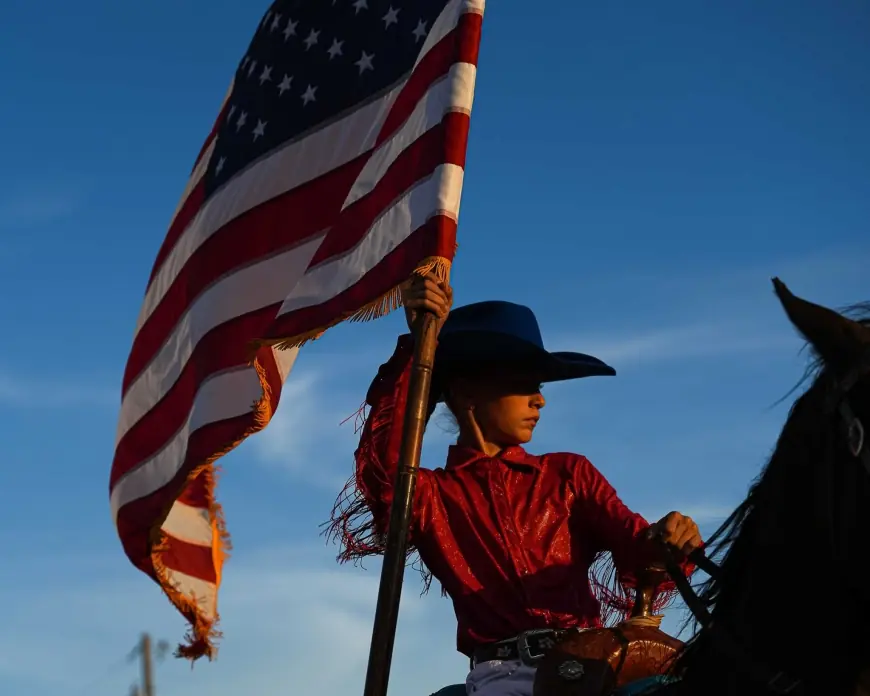
Presidents' Day is observed on the third Monday of February and is federally recognized as Washington's Birthday. For 2026 the holiday falls on Feb. 16 (ET). The day honors the legacy of George Washington while commonly serving as a moment to celebrate the office of the presidency more broadly—but who gets the day off and why the date exists often causes confusion.
What the holiday actually honors
When Congress formally recognized the holiday, it did so to honor the birth of George Washington. Over time, public usage of the name expanded to include other presidents, most notably Abraham Lincoln, whose birthday also falls in February. The federal holiday remains officially designated as Washington's Birthday, yet popular usage ranges among three common variants: President's Day, Presidents' Day and Presidents Day. The plural possessive form—Presidents' Day—is the clearest when referring to multiple presidents, though many Americans use the simpler Presidents Day without an apostrophe.
The modern observance is tied to celebrations of Washington's legacy dating to the Revolutionary era. Calendar reforms in the 18th century shifted Washington's birth date from the Julian to the Gregorian system, producing the widely recognized Feb. 22 date. Over decades, informal observances around that date grew into a federal holiday by the late 19th century.
Who gets the day off, and what closes
As a federal holiday, government offices and federal employees are given the day off. Most public schools, colleges and universities also observe the holiday. Private-sector employers are not legally required to close; observance is at the discretion of individual businesses, which means many private employees will work as usual unless their employer offers the day off or holiday pay.
Many major banks close on the holiday, and mail handled by the public postal service is not delivered. Private delivery companies generally continue operations on Presidents' Day. Retailers and service businesses vary: some treat the date as a three-day weekend event with sales and promotions, while others maintain regular hours.
For planning purposes, the next widely observed federal holiday most workers will encounter after Presidents' Day is Memorial Day on Monday, May 25, 2026 (ET). Other federal holidays for 2026 include New Year's Day (Jan. 1), Martin Luther King Jr. Day (Jan. 19), Juneteenth (June 19), Independence Day observed (July 3), Labor Day (Sept. 7), Indigenous Peoples' Day (Oct. 12), Veterans Day (Nov. 11), Thanksgiving Day (Nov. 26) and Christmas Day (Dec. 25).
How Presidents' Day ended up on the third Monday in February
The date and scheduling of the holiday trace back to legislation from the late 19th century that established Washington's birthday as a formal federal observance. In 1968, Congress passed a law designed to standardize several federal holidays by moving them to Mondays to create more predictable three-day weekends. That measure took effect in 1971 and placed Washington's Birthday on the third Monday in February—meaning the federal observance does not always coincide with Washington's actual birth date as celebrated historically.
Over time, the third-Monday scheduling and popular usage shifted the public's focus from a single figure to a broader recognition of the presidency, even as official federal nomenclature remained unchanged. The holiday thus sits at the intersection of historical commemoration, practical scheduling, and cultural habit: a federal day off for many, a retail and promotional opportunity for some, and for others, a chance to reflect on the origins and responsibilities of the presidential office.