
























New Profile Recasts Jackie Kennedy’s Final Years as Quiet, Purposeful 'Love Story'

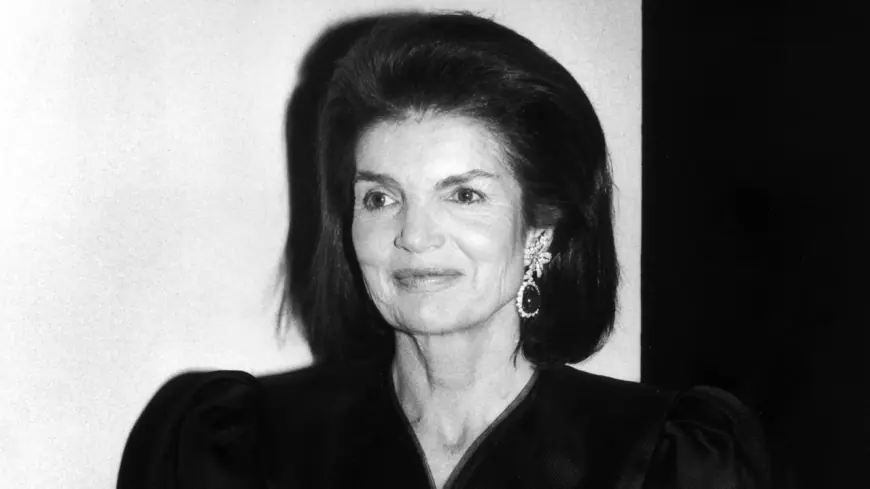
Feb. 17, 2026 ET — A new in-depth profile revisits the final years of jackie kennedy, offering fresh detail on her life after the White House and the private rhythms that defined her last decade. The piece frames those years as a mixture of enduring privacy, close friendships and a deliberate effort to curate her public image while managing changing health and family responsibilities.
Privacy, purpose and the work that grounded her
The profile emphasizes how jackie kennedy turned to work and quiet routine as anchors following public tragedy and personal upheaval. In place of the formal public life that once consumed her, she embraced roles that allowed for control and discretion — notably her later career as an editor and cultural steward. That steady focus on books and preservation work emerges as central to how she spent much of her time, offering a window into the habits that sustained her.
Friends and aides depicted in the piece recall a woman who valued domestic order and intellectual engagement. She surrounded herself with a tight circle of confidants and maintained strict boundaries with the press and public. Even in illness, those closest to her describe a deliberate effort to shield loved ones from needless attention, converting private moments into a way of protecting family and legacy.
Relationships, grief and the private negotiations of love
At the heart of the profile is an exploration of jackie kennedy’s personal relationships in her later life. The narrative revisits her handling of grief and companionship, suggesting the emotional life of her final years was more complex than the public mythology often allows. Intimate recollections portray her as someone who negotiated loss and longing with composure, weighing the desire for connection against a lifetime of public scrutiny.
Those memories include recollections of prolonged periods of solitude alternated with carefully managed social interactions. The profile frames these patterns as an ongoing negotiation between private need and public expectation: she sought to remain present for family while fiercely guarding the personal details that once made her the subject of relentless attention. The result is a portrait of a woman who, even as she aged and faced health challenges, controlled how and when she allowed others into her life.
Legacy and the evolving memory of an American icon
Beyond the intimate anecdotes, the piece places jackie kennedy’s final days within a broader conversation about how cultural memory evolves. It suggests that acts large and small — from preservation projects to curated public appearances — were part of a conscious effort to shape how she would be remembered. Her decisions about what to disclose, and what to keep private, played a significant role in preserving a particular image of elegance, resilience and restraint.
The profile also touches on the continuing public fascination with her life, arguing that the tension between the private woman and the public symbol is a central reason interest endures. In revisiting the last chapter of her life, the piece invites readers to see her less as a static figure frozen in time and more as a person making daily choices in response to love, loss and the practicalities of aging.
As the conversation about jackie kennedy’s life grows more nuanced, the new reporting underscores a familiar truth: historical figures remain subject to reinterpretation as fresh material and new perspectives emerge. For those who knew her best, the final years were less a fading epilogue than a continuation of a life lived with intention.