
























Lunar New Year 2026: Year of the Fire Horse arrives amid blooms, feasts and fresh online controls

The Year of the Fire Horse is being welcomed by millions across Asia and around the world with family gatherings, temple visits, bustling markets and plentiful food. The Lunar New Year, a 15-day festival timed to the first new moon of the lunar calendar and observed between January 21 and February 20 (ET) each year, remains the region’s most important holiday for many communities in China, Korea, Vietnam, Thailand and beyond.
Traditions at the heart of the holiday
For many households the opening days of the new year are the busiest and most intimate. The first two days are traditionally reserved for family reunions and large shared meals; gifts and money in red envelopes are exchanged to wish children and younger relatives luck and prosperity. Hosts favour crisp, new banknotes and often select even-numbered amounts, mindful that the number four is commonly avoided because its pronunciation in Mandarin resembles the word for death.
The festival stretches for two weeks, with rituals and observances varying across regions. Communities practice ancestor veneration, temple visits and public parades at different points through the period. Local culinary customs also vary: long noodles, dumplings, fish and other symbolic dishes appear on tables as emblems of longevity, wealth and unity.
Markets, public displays and street scenes
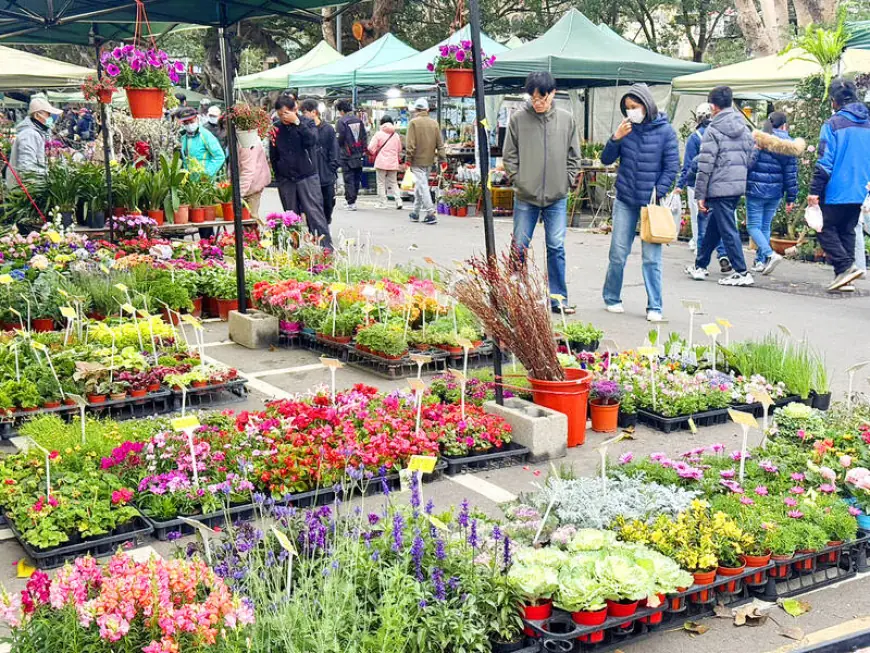
Flower markets and open-air bazaars are a familiar sight on the eve of the holiday, where shoppers buy blossoms and decorations to welcome the new year. Unseasonably warm temperatures have drawn larger-than-usual crowds to markets in major cities, with stalls selling auspicious plants, bouquets and festive ornaments.
Public spectacles are also on display in many urban centres. In one historic Chinatown, a drone show formed a heart and celebratory messages over the neighbourhood, underscoring longstanding ties between communities even amid geopolitical tensions. Street vendors, restaurants and flower sellers typically see a surge in business as households prepare for the first feasts and visiting cycles.
Online controls and fresh AI warnings
Authorities have heightened guidance for online behaviour during the holiday period. Users were warned not to use new AI-powered apps to embed vulgar or violent content into classic animations or to “magically alter” images in ways that distort traditional culture; material that violates these parameters may be removed and offending accounts suspended. Each year, regulators launch a social media enforcement push through the Spring Festival, removing content deemed anti-social and issuing public reminders about online etiquette.
The official advisories this year also reiterated limits on celebrating certain personal choices — including explicit praise for remaining unmarried or childless — and cautioned against fabricating travel chaos or exaggerating family disputes to attract engagement. The annual guidance is framed as a way to curb misinformation, protect public order and preserve respectful holiday observance.
As the 15-day celebration continues, households will alternate between quiet family rites and lively public moments. Whether in temple courtyards, at crowded market stalls or on city streets lit with lanterns, the Year of the Fire Horse is being marked with the same mix of ritual, reunion and renewal that defines Lunar New Year observances across the region.