






















‘Love Story’ Revives Daryl Hannah Chapter in JFK Jr. Saga — And Sparks New Questions

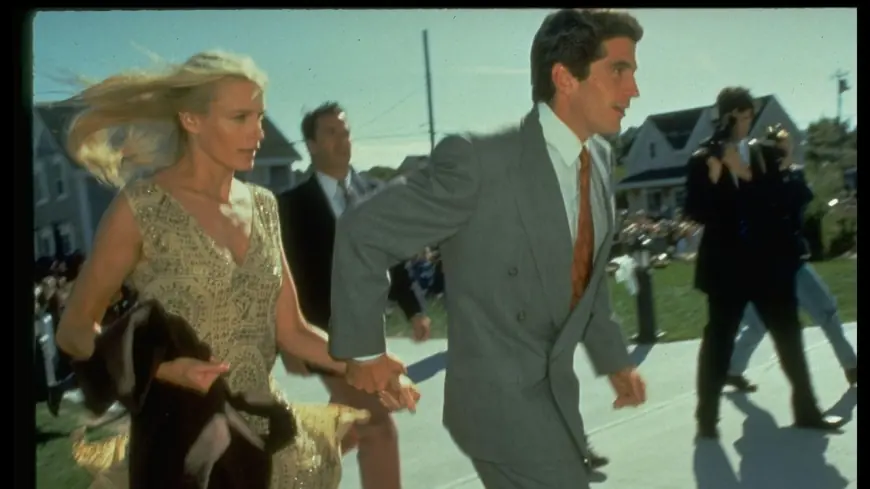
The new limited series that dramatizes John F. Kennedy Jr. and Carolyn Bessette’s romance has thrust Daryl Hannah back into the cultural spotlight. The portrayal of Hannah — a famous actress and one of JFK Jr. ’s high-profile relationships — is sharper and more intimate than many viewers expected, raising fresh discussion about family dynamics, creative responsibility and where dramatization ends and biography begins.
Dree Hemingway’s personal outreach and the challenge of playing a living figure
The actor chosen to portray Daryl Hannah took a notably personal route before filming. With family ties connecting her to Hannah, the actor wrote what she described as a heartfelt letter expressing admiration and gratitude for Hannah’s career and influence. She framed the note as a gesture without expectation of response, saying it felt important to acknowledge the subject’s humanity before inhabiting the role.
One of the series’ producers explained a usual preference for research over direct interviews with public figures, citing the risk of competing narratives or obligations to portray a living person in a particular light. Still, the actor’s outreach underscores a broader tension facing creators: whether to consult the real people who inspired characters or to preserve creative distance to construct a more rounded fictional portrait.
On-screen friction: Jackie O., public perception and the limits of dramatic compression
The series places Hannah in the orbit of some of the most scrutinized figures of the 1990s, dramatizing moments in which she navigates the Kennedy family’s expectations. In one sequence, a dinner with family members turns awkward when staff signal the matriarch is not well, prompting Hannah’s character to exit in embarrassment and later confront the younger Kennedys about why she feels disliked.
That scene echoes longstanding recollections of the elder family member’s ambivalence toward the relationship. Eyewitness recollections captured over the years portray the matriarch as wary rather than venomous — uneasy about the idea of her son marrying an actress, but not actively hostile. The series compresses timelines and intensifies interpersonal beats to maintain narrative momentum, a reminder that streaming drama often prioritizes thematic clarity over exhaustive chronology.
Producers have acknowledged the show takes creative liberties, advancing the romance and combining moments to keep the arc moving. Viewers should expect a dramatized retelling that blends real events with imagined private exchanges designed to probe character motivations more than to serve as a definitive chronicle.
What the revival of this chapter means for Hannah’s legacy
The renewed focus on Hannah’s relationship with JFK Jr. highlights how pop culture can reshape public memory. For Hannah, the depiction revives associations with a past she’s long moved beyond — an era of tabloids, fashion, and a pre-internet paparazzi culture that treated celebrity romance as ongoing public spectacle. The actor portraying her has described the role as an honor and a challenge, noting the responsibility of representing a real woman whose life extends far beyond a headline.
For audiences, the series is a test of appetite for character-driven retellings that interrogate the private costs of fame. It asks whether dramatization can illuminate emotional truth without misrepresenting factual nuance, and whether gestures like a personal letter from an actor to her subject can bridge the ethical gap between homage and invention.
As new episodes roll out on Thursdays at 9 p. m. ET, the series promises further scenes that revisit the on-again, off-again nature of the romance and the cultural texture of the 1990s. Expect the conversation around Daryl Hannah’s portrayal to continue, as viewers and critics weigh what the show reveals, what it reimagines, and how history and storytelling collide on the small screen.