





















Tyra Banks Under Renewed Scrutiny in New Three-Part Documentary

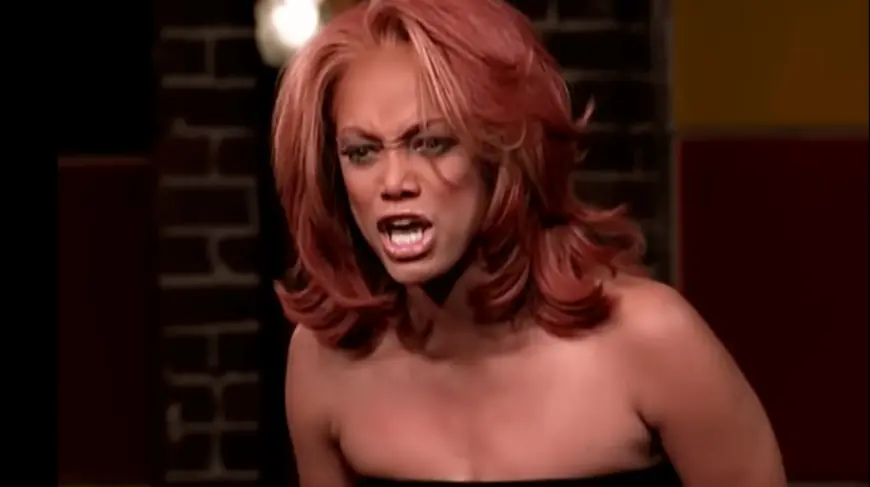
A three-part documentary that premiered Feb. 16, 2024 (ET) has reopened debate over the run of a long-running modeling competition and its creator, Tyra Banks. Editors and participants revisit a catalogue of on-set choices and practices that many now view as unethical or exploitative, while interviews with former crew and contestants surface fresh and familiar allegations that put Banks squarely in the spotlight.
Key revelations that cast the series and its leader in a harsh light
The documentary assembles a wide range of memories and testimony that underscore how the show’s entertainment calculus often collided with duty of care. One headline-making anecdote involves creative director Jay Manuel, who left the series after the eighth season and says he was effectively frozen out when he signaled he wanted to move on. Manuel describes an abrupt shift in his relationship with Banks following a polite departure note, and calls the ensuing treatment "psychological torture. " In the film, Banks declines to comment on the split.
Several contestants recount sustained pressure to conform to narrow beauty norms. Cycle 10 winner Whitney Thompson details how clothes, critiques and industry expectations left contestants feeling demeaned about their bodies; other former competitors point to systemic fat-shaming even as the series occasionally attempted to broaden representation.
Dental transformations emerge as a particularly stark example of production pressure. One former winner says she was told to close a signature tooth gap or risk elimination; photographers and other staff push back in the documentary, with some insisting the gap was an asset. The film also chronicles a later instance in which a gap was suggested to be created for another contestant, revealing a troubling pattern of cosmetic coercion under threat of dismissal.
Cringeworthy creative choices and serious safety questions
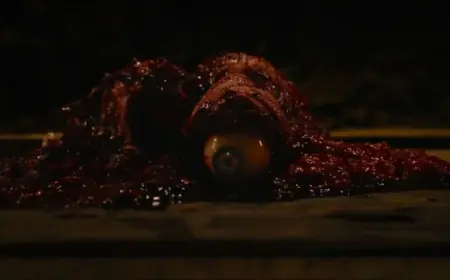
Viewers are taken through some of the show’s most controversial photoshoots and segments — scenarios that today read as tone-deaf at best and exploitative at worst. Producers staged shoots that required contestants to embody crime-scene corpses, people suffering from eating disorders, and ethnic caricatures that crossed into race-swapping. Such thematic choices have been singled out in the documentary as emblematic of a broader recklessness about the emotional effects on young participants.
One of the documentary’s most jarring sequences revisits an incident described as an on-camera sexual assault, prompting renewed conversation about supervision, consent and the responsibilities of production teams. Other accounts highlight nights when contestants were left vulnerable, including a situation involving heavy drinking during an international trip that left a contestant feeling violated afterward.
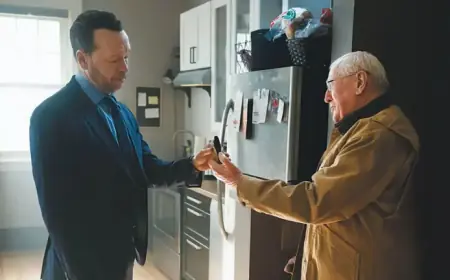
The film also reveals a late and emotional health update about a beloved figure from the show: a former runway coach suffered a debilitating stroke in December 2022 and is shown working through recovery, including an emotional reunion with former colleagues. That revelation reframes parts of the series’ legacy through a human lens and underscores the passage of time since the program’s heyday.
Legacy and accountability: what the documentary demands
The documentary positions itself as a reckoning, juxtaposing archival footage with present-day reflections. Banks appears on camera and offers moments of self-awareness, at times hinting that public critique is inevitable. Yet many interviewees say that accountability falls short; their accounts suggest that intended lessons were not matched by meaningful reparations or structural change.
For younger viewers discovering the series now, the contrast between past entertainment value and present-day ethical standards is stark. The documentary does not simply rehash controversies for shock value; it asks whether the machinery of reality television treated contestants humanely and whether those in charge accepted responsibility when harm occurred.
As the conversation continues, the film resurfaces uncomfortable memories and forces a familiar question: how should legacy television be judged when past norms collide with today’s expectations? For those tied to the original series, answers remain mixed — and the debate over responsibility, reform, and remembrance appears far from settled.