
























Mouse Forces SAS A320neo to Return to Stockholm Midflight

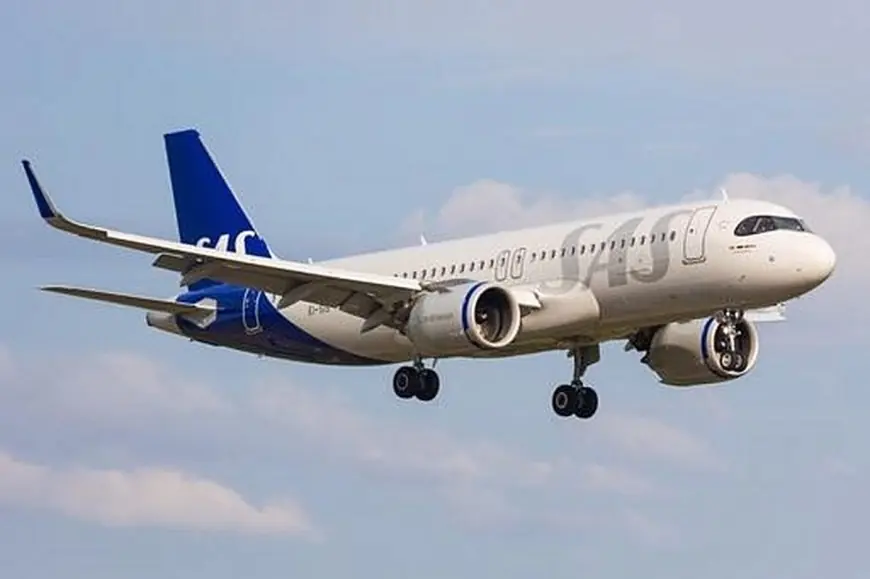
Passengers on an SAS flight bound for Málaga found their weekend getaway interrupted on February 7, 2026 (ET) when a mouse was sighted in the cabin. The Airbus A320neo, operating as flight SK1583 and registered SE-DOZ, was diverted back to Stockholm after crew and travellers raised safety concerns.
Mid-air sighting triggers safety diversion
The aircraft departed Stockholm Arlanda Airport for the roughly four-hour trip to the Costa del Sol but was turned around while cruising over Western Europe roughly an hour and a half into the flight. Passengers described spotting a small rodent scurrying in the cabin while the jet was at cruising altitude. Flight-tracking records show the A320neo executed a wide U-turn and retraced its route northward, ultimately returning to its point of departure.
Crew members made the decision to return rather than continue the journey. Airline procedures prioritize the integrity of electrical systems and wiring, and operators consider rodents particularly hazardous because of their tendency to gnaw on insulation and cabling. A damaged loom in an inaccessible area can present serious risks, so the choice to divert was framed as a precautionary safety measure.
Checks, delays and passenger outcome
After landing at Arlanda, the aircraft was removed from service for thorough inspection. Engineers carried out checks and worked to ensure no damage had been caused by the stowaway; the jet was cleared to resume commercial duties the following day. In the immediate aftermath, passengers were transferred onto a replacement aircraft and eventually continued on to Málaga after a substantial delay. All travellers and crew disembarked without injury.
The fate of the mouse remains unclear. Ground teams searched the aircraft and surrounding areas, but there is no public confirmation that the animal was captured. The incident forced the carrier to absorb the operational disruption, including an out-of-service aircraft for the remainder of the day and the logistical costs of rebooking passengers.
Why rodents are treated as a flight safety threat
Rodent encounters on aircraft are rare but disruptive. Beyond the immediate discomfort for passengers, rodents can damage flight-critical systems by chewing through wiring and components that, if compromised, could lead to electrical failures or fires—particularly worrying if such damage goes unnoticed in concealed areas. Because of these potential consequences, airlines will often divert or ground aircraft to enable maintenance teams to assess and, if necessary, repair any affected systems.
The recent event is not an isolated curiosity for the operator. The carrier has faced similar rodent-related disruptions in the recent past on routes to the same destination, underscoring how pests can impact schedules, inflight service and operational reputation. Airports and airlines maintain pest-control protocols, but occasional breaches still occur given the volume of people, food and supplies handled each day.
For the affected passengers, the episode will likely become a memorable travel anecdote: a three-hour circuit in the sky that began and ended in Stockholm before their delayed arrival in southern Spain. For the airline, it was a reminder that even the smallest intruder can create outsized complications for modern aviation operations.