





















Wuthering Heights Gallops Toward $82 Million Global Debut as Debate Over Casting and Direction Intensifies

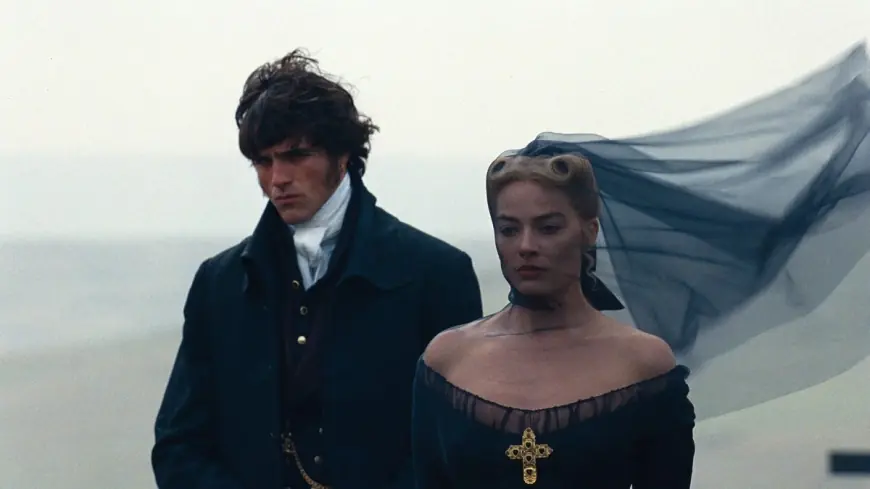
Emerald Fennell’s R-rated reimagining of Wuthering Heights rode a holiday weekend surge to an estimated $82 million in global ticket sales, a striking commercial start that has sharpened conversation about casting choices, the theatrical strategy behind the release and the role of women directors in Hollywood.
Box office and release strategy
The film opened with roughly $40 million in the United States and Canada and another $42 million overseas, delivering a robust worldwide total for an R-rated literary adaptation. The distributor placed the picture in 18, 028 theaters globally and positioned it for a wide theatrical run that included the long holiday weekend that featured Valentine’s Day on Saturday, Feb. 14, 2026, and Presidents’ Day on Monday, Feb. 16, 2026 (all times ET).
Production costs for the romance are estimated near $80 million, not counting substantial marketing expenditures tied to the global launch. The filmmakers had the option of a large upfront offer from a streaming giant but chose a distributor that committed to a theatrical release, a decision that industry observers say likely helped the film reach audiences at scale and collect box-office receipts that streaming alone would not have produced.
Early audience polling painted a picture of a predominantly female turnout, and exit polling gave the film a B grade in cinema polling. The opening weekend positioned the picture at No. 1 at the box office for the holiday frame, while animated fare and other originals rounded out the top slots.
Casting, audience reaction and the cultural conversation
The cast led by Margot Robbie opposite Jacob Elordi has driven passionate audience reaction, ranging from exuberant fan moments at packed screenings to pointed criticism from literary and cultural commentators. Some viewers embraced the film’s sensual, Charli XCX-backed soundtrack and the heightened, modernized romanticism on screen. Others argued that the adaptation downplays the novel’s darker themes of coercion and intergenerational trauma, and that the casting choices simplify or whitewash aspects of Heathcliff’s original depiction in the 1847 novel.
That divide was on display in private and public screenings alike: long-time admirers of the source material debated whether the director’s choices enhanced the text’s emotional core or smoothed away its moral ambiguity. The film’s more streamlined depiction of the central relationship—framed for contemporary audiences as a physically charged, cinematic romance—has proved especially polarizing for readers who consider the book a study in toxicity as much as love.
What the success means for women directors
The opening offers a high-profile data point in a larger industry conversation about which filmmakers get institutional support. The director is among the relatively small number of women who have received substantial studio backing early in their careers; her earlier features included a pandemic-era breakthrough that won an Academy Award for original screenplay and earned a directing nomination but saw limited box-office returns during widespread theater closures. A follow-up feature collected modest receipts before this current release.
Advocates for greater gender parity point to persistent gaps: recent research tracking directors on the top domestic releases found women directing a narrow share of those films. Industry analysts argue that studios could benefit from cultivating a broader slate of new voices—including women with striking debuts—especially as domestic ticket sales have recovered only partially from pre-pandemic levels despite year-over-year growth.
For the moment, the film’s commercial trajectory and the discussion it has provoked will be watched closely. The success of a high-profile, female-directed literary adaptation—paired with controversy over adaptation choices and casting—underscores both the box-office potential that can follow bold creative decisions and the still-fraught terrain women directors navigate when their visions collide with established expectations about classic material.