





















Robert Duvall Movies and TV Shows: The Essential Filmography From Classic Hollywood to Modern Prestige TV

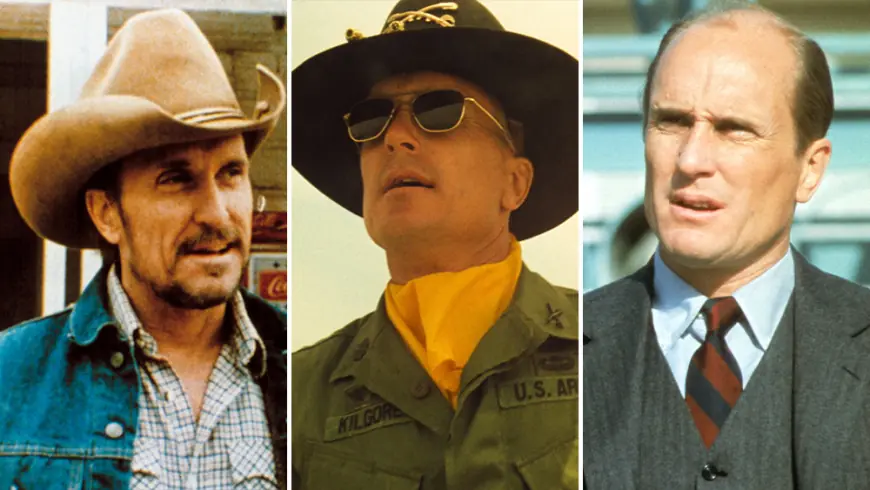
Robert Duvall built one of the most durable careers in American acting, moving effortlessly between supporting turns that stole entire films and leading roles that carried intimate, character-driven stories. If you’re looking for Robert Duvall movies and TV shows, the list is huge, but the best way to navigate it is by the performances that defined eras of his work: early breakthrough, the 1970s powerhouse run, awards-era leads, late-career reinventions, and the television projects that became events.
Early breakthrough roles that announced Robert Duvall
Duvall’s first wave of visibility came through roles that were often quiet, contained, and psychologically sharp—performances where he didn’t need many lines to leave a mark.
Key early films:
-
To Kill a Mockingbird (1962)
-
Bullitt (1968)
-
True Grit (1969)
-
MASH (1970)
These titles show the foundation of his screen identity: grounded behavior, minimal “acting,” and an instinct for detail that made even small scenes feel lived-in.
The 1970s: Robert Duvall becomes a defining character actor
The 1970s are where Duvall’s filmography turns into a cultural landmark. He became the kind of actor who could tilt the emotional direction of a movie simply by entering it.
Standout films from the decade:
-
The Godfather (1972)
-
The Godfather Part II (1974)
-
The Conversation (1974)
-
The Great Santini (1979)
His work in these years helped establish the modern template for prestige American acting: realism without dullness, intensity without showiness.
Apocalypse Now and the iconic supporting performance
Some actors have one role that becomes shorthand for an entire movie. For Duvall, that’s Apocalypse Now (1979). Even among a cast stacked with big personalities, his presence is unforgettable, and the performance is still routinely cited as a masterclass in making a limited amount of screen time feel enormous.
Awards-era leading roles: the “working man” portraits
In the 1980s and 1990s, Duvall repeatedly chose roles that centered on ordinary lives under extraordinary emotional pressure—often men at war with pride, regret, faith, or their own reputations.
Essential films from this period:
-
Tender Mercies (1983)
-
Colors (1988)
-
Rambling Rose (1991)
-
Falling Down (1993)
-
The Client (1994)
-
A Civil Action (1998)
What connects these performances is incentive and constraint: Duvall’s characters usually want something simple—respect, stability, control—but the world keeps denying them, forcing compromise. That tension is the engine of his best work.
The filmmaker side: writing and directing that deepened his legacy
Duvall wasn’t only a performer. He also wrote and directed projects that fit his instincts: moral complexity, American vernacular, and characters who are both admirable and flawed.
Notable creator-driven titles:
-
The Apostle (1997)
-
Assassination Tango (2002)
These films matter because they show what Duvall valued when he controlled the frame: spiritual searching, cultural texture, and the uneasy gap between who people say they are and how they actually behave.
Late-career highlights: rugged grace and quiet authority
In the 2000s and 2010s, Duvall often played men with history in their faces—figures who could be tender, stubborn, dangerous, or unexpectedly funny. His late work is full of performances that feel like distilled craft.
Key later films:
-
Open Range (2003)
-
The Judge (2014)
These roles also underline his second-act strength: he didn’t rely on nostalgia. He kept finding parts that asked for specificity rather than legend.
Robert Duvall TV shows and miniseries that became must-watch events
Although his film work dominates the conversation, Duvall’s television projects include several major prestige productions, especially in the era when miniseries became “appointment viewing.”
Essential television titles:
-
Lonesome Dove (1989)
-
Stalin (1992)
-
Broken Trail (2006)
These projects matter because they let him stretch out: more time to build relationships, more space for character rhythms, and the kind of slow-burn authority he delivered better than almost anyone.
What to watch first if you’re new to Robert Duvall
If you want a quick starter path that shows range without drowning in volume, this set covers the essentials:
-
The Godfather (controlled power)
-
Apocalypse Now (mythic charisma)
-
Tender Mercies (quiet vulnerability)
-
Lonesome Dove (warmth and leadership)
-
The Apostle (messy, human intensity)
If you tell me what you’re in the mood for—crime, westerns, courtroom drama, war films, or character studies—I can narrow it to the best 5–10 picks for that vibe.