





















Miss J Suffers Stroke; Shandi Alleges Sexual Assault


The recent docuseries “Reality Check: Inside America’s Next Top Model,” sheds light on the controversial history of the long-running reality show, “America’s Next Top Model” (ANTM), which aired for 24 seasons from 2003 to 2018. Created by supermodel Tyra Banks, the series combined elements of competition and communal living, initially attracting a dedicated audience.
Miss J Suffers Stroke: A Shocking Revelation
One of the most startling moments in the docuseries is the revelation that Miss J, a beloved figure on ANTM, suffered a debilitating stroke in December 2022. During an emotional segment, he recalls spending five weeks in a coma and the challenges he faced in recovery, including the inability to walk or speak initially. Now, he is seen in a wheelchair, visibly moved by the support of his former colleagues, Jay Manuel and Nigel Barker.
Allegations of Sexual Misconduct in the Industry
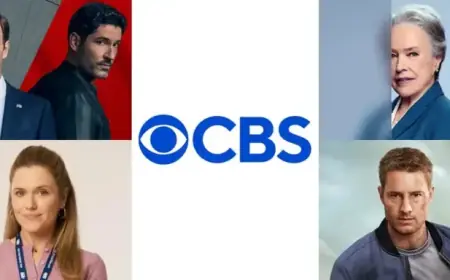
Additionally, the docuseries addresses broader industry issues, including allegations of sexual misconduct that have surrounded various television figures. Notably, Leslie Moonves, a former CBS executive, made controversial casting decisions and was later ousted due to such allegations. This backdrop highlights the challenges the show faced in achieving diversity and inclusivity during its run.
A Closer Look at ANTM’s Controversial Moments
Throughout its run, ANTM became infamous for numerous controversial photoshoots and moments that are now being reevaluated through a contemporary lens. Many contestants, such as Ebony Haith and Danielle Evans, share their experiences of body shaming and critiquing practices that remain heartbreaking years later. Here are some of the controversial elements:
- Photoshoots featuring race-swapping and blackface concepts.
- The portrayal of contestants in uncomfortable, potentially harmful scenarios.
- Judges frequently critiquing participants on their physical appearance harshly.
Shandi Sullivan’s Dark Experience
The docuseries also recounts Shandi Sullivan’s troubling experience during filming. In Season 2, she became involved in an inappropriate situation while under the influence, which was recorded and aired. This incident raises ethical questions about the production’s responsibility and the support provided to contestants.
Model Experiences: Triumph and Trauma
Contestants discuss the psychological impact of their experiences on the show. Danielle Evans reflects on the pressure to conform to industry standards, including altering her appearance. Many former contestants, including Whitney Thompson and Keenyah Hill, address eating disorders and body image issues prevalent in the modeling industry.
The Aftermath of the Show
As “America’s Next Top Model” concluded its run, many former contestants faced stigma within the industry. Evans poignantly notes the struggles she encountered in securing modeling opportunities after the show, while other contestants recount the emotional toll of their experiences.
The Legacy of ANTM
Despite its controversial legacy, “America’s Next Top Model” remains a significant cultural touchstone, influencing discussions about race, body image, and the ethical responsibilities of reality television. Tyra Banks acknowledges the need for reflection and growth from the experiences shared within the docuseries, hinting at future plans for the franchise.
The revelations and stories shared in “Reality Check: Inside America’s Next Top Model” not only reflect the challenges faced by contestants but also underscore the broader issues within the modeling industry and reality television.