

























CMHC: Housing Starts Slow Further, No Recovery Expected

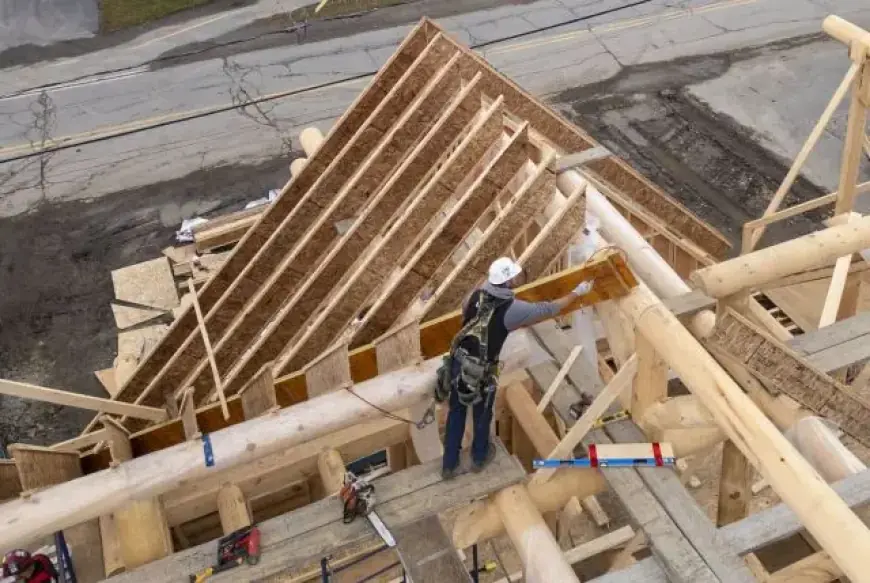
Canada’s housing market continues to experience a decline in construction activity. The Canada Mortgage and Housing Corporation (CMHC) recently reported a significant decrease in housing starts, raising concerns about the future of the sector.
CMHC Reports Continuing Decline in Housing Starts
According to CMHC, the seasonally adjusted annual rate of housing starts dropped by 15% in January 2026. This decline represents a significant downturn from December, when the rate stood at 280,668 units, and now sits at only 238,049 units. Furthermore, the agency’s six-month moving average indicates a 3.5% decrease, marking the fourth consecutive month of decline.
Contributing Factors to the Slowdown
- Trade and geopolitical uncertainty
- High construction costs
- Weaker demand
- Increasing inventory levels
- Lower immigration rates
- Economic instability due to changes in U.S. trade policy
Tania Bourassa-Ochoa, CMHC’s deputy chief economist, emphasized that a near-term recovery seems unlikely. The agency’s findings resonate with feedback from developers, who have reported challenges that continue to hinder new projects.
Year-Over-Year Comparisons and Future Outlook
Interestingly, actual housing starts in urban areas with populations over 10,000 showed a slight increase of 1% year-over-year. In January, these centers recorded 16,088 unit starts, up from 15,957 in the previous year.
The six-month moving average for January was reported at 254,794 units, underscoring the ongoing challenges in the construction industry. Prime Minister Mark Carney had previously pledged to double housing construction to 500,000 homes annually within a decade, but current trends suggest a struggle to meet these goals.
Government Initiatives to Boost Construction
In response to the slowing pace of development, the federal government launched Build Canada Homes in September 2025. This new agency aims to accelerate construction timelines and will initially receive $13 billion to finance projects and support builders.
The construction sector remains critical to Canada’s economy. However, unless these challenges are addressed, significant barriers will persist, potentially delaying much-needed housing solutions for Canadians.