

















Fact Check — Did Jackie O. 'Hate' Daryl Hannah? What Episode 2 of Love Story Gets Right

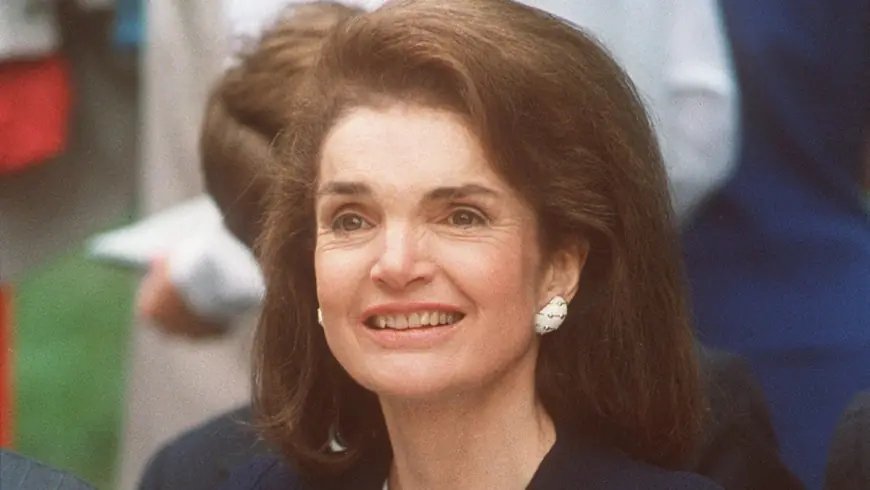
Episode 2 of the anthology dramatizing John F. Kennedy Jr. ’s life tightens its focus on family strain and romantic rivalries. A dinner that never quite happens, a frantic exit on the street and an accusation of maternal disapproval all raise the question the episode tees up: was Jacqueline Kennedy Onassis openly hostile to Daryl Hannah? The short answer: the real-life picture is more nuanced than the drama’s shorthand.
What Episode 2 portrays
The show stages a tense moment when Daryl joins John for what should be a family meal at his mother’s apartment. Staff quickly inform the guests that Jackie will be dining in her room because she is not feeling well, and Daryl bolts, taking the move as a sign of disapproval. On the street she confronts John: “Have you ever asked yourself why your mother doesn’t like me? Or why she might have a tainted perception towards famous blonde actresses? It doesn't take Freud to connect the dots. ”
That scene is emblematic of the series’ approach: compact, emotionally charged scenes that accelerate the arc of relationships viewers already know end tragically. The program compresses years of on‑again, off‑again romance into moments designed to illuminate jealousy, class anxieties and the glare of public life.
The historical record: nuance over hatred
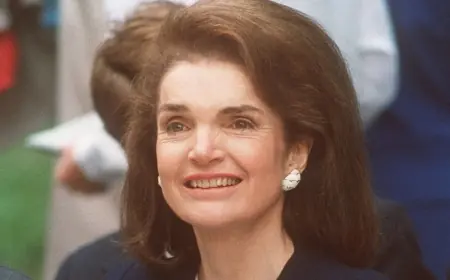
In real life, the dynamic between Jackie and Daryl never registered as outright hatred. Friends and chroniclers describe Jackie’s stance as cautious and protective rather than vindictive. The central concern was simple: Jackie worried about her son marrying an actress. That worry is less a personal vitriol toward one woman than a classic parental hesitation about a high-profile family joining with Hollywood life.
Contemporaneous recollections paint Jackie asking her children if their romantic choices were right for the family and probing the suitability of partners. Those conversations could feel intrusive and judgmental. But they stopped short of sustained animus; friends who observed the family privately emphasize there was no pervasive campaign of hostility.
The show also touches on Jackie’s frailty following a riding accident in the early 1990s and her subsequent health decline. The dramatization uses that vulnerability to heighten domestic tensions. In actuality, Jackie’s later illness and eventual death in May 1994 cast a long shadow over those final years and complicated how family relationships are remembered and retold.
Why the series compresses and heightens scenes
This edition of the story moves briskly through events, choosing emotional truth and narrative momentum over literal completeness. The real relationship between John and Daryl spanned years and featured multiple reconciliations and breakups. The creators pared that down to key emotional beats so the central romance with Carolyn could stay front and center.
For viewers seeking a line-by-line biography, the trade-off is evident: some scenes are dramatized to emphasize theme rather than chronology. For those interested in the factual baseline, the essentials are present — Jackie’s discomfort with her son’s relationship with an actress, Daryl’s feeling of being judged, and the public scrutiny that amplified private disputes — but the show abstracts and intensifies those elements for dramatic effect.
Bottom line: Episode 2’s depiction of hostility is an economical storytelling choice more than a literal portrait of long‑term hatred. Jackie’s objections were real and consequential, but descriptions of her attitude toward Daryl are better framed as cautious skepticism and familial protectiveness than outright hate.