




















Emerald Fennell’s Wuthering Heights Sparks Debate Over What a Faithful Adaptation Should Be

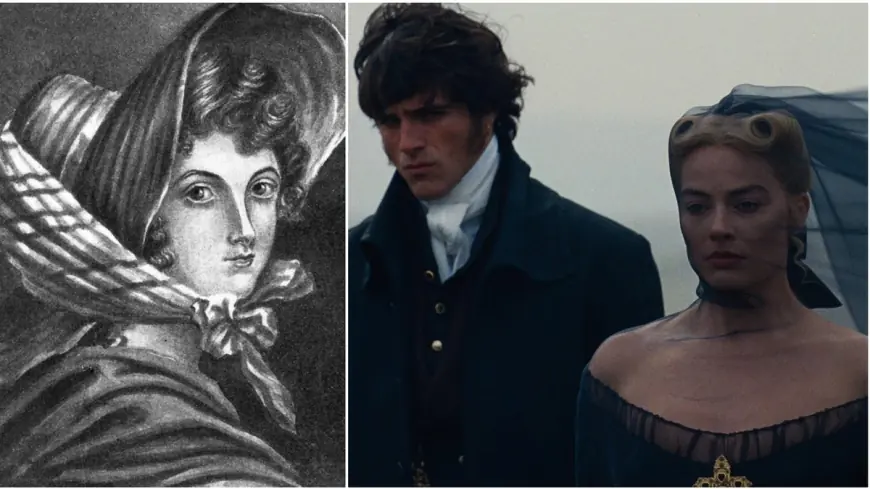
Emerald Fennell’s new screen version of Wuthering Heights has opened to immediate division. The director’s candy-colored, highly stylized retelling focuses tightly on Cathy and Heathcliff’s tempestuous affair, discarding the book’s next-generation epilogue and leaning into a campier, sex-forward aesthetic. Critics and commentators are split on whether those choices sharpen or dilute Emily Brontë’s singularly strange novel.
A radical cut: the missing second half
One of the most consequential changes is structural. The film ends with Cathy’s death, omitting the novel’s later chapters that follow the children who inherit the story’s trauma and, eventually, its hint of redemption. By excising the second generation, the adaptation stops short of the novel’s decades-spanning arc and reframes the tale as a contained, tragic romance rather than a multigenerational saga.
That narrative contraction has practical and thematic effects. It removes the chance to show how the aftermath of Cathy and Heathcliff’s obsession ripples into the next generation, and it forecloses any obvious path to a sequel. For viewers who see the novel’s enduring power in its twofold portrait—love as both destructive obsession and, in time, a force that can be transformed—the movie’s endpoint feels like a significant omission.
Critical backlash: tone, sexuality and casting choices
Beyond plot compression, the adaptation’s tone has ignited debate. The film leans into glossy, camp-inflected visuals and rachets up eroticism in scenes that some find invigorating and others find irreverent. Moments of overt playfulness—bodice-ripping, stylized bondage imagery and hyper-stylized romance—have prompted questions about whether the project amplifies or flattens the novel’s original strangeness.
Performances have become a lightning rod. The leads are praised by some for committed, combustible chemistry; others argue the portrayals simplify the characters’ moral and psychological complexity. Secondary casting choices and reshuffled character dynamics—most notably the sidelining or reworking of certain figures from the original story—have generated sharp criticism. Observers also point to the erasure of elements tied to Heathcliff’s ambiguous racial background in the text, saying those omissions matter to any conversation about authenticity and historical context.
At the same time, some responses single out strong aspects of the production. A few supporting performances, and the director’s commitment to a distinctive visual palette, are being cited as bold decisions that make this adaptation unmistakably its own. But that same boldness is precisely what divides viewers: what is brave reinvention to some is gratuitous stylization to others.
What this means for adaptations going forward
The debate raises larger questions about fidelity in literary adaptations. How much of a source must survive for an adaptation to claim the original’s name? Is it acceptable for filmmakers to prioritize a specific emotional or aesthetic reading at the expense of plot and scope? Fennell’s version makes a clear statement: she prioritizes a condensed, visceral portrait of the central lovers. The result is a film that will likely energize conversations about how classic novels are reimagined in contemporary cinema.
For audiences and future adaptors, the film functions as a test case in trade-offs. The choice to narrow the story gives the movie a singular intensity and a clear authorial stamp, but it also eliminates the restorative arc that many readers consider essential to the book’s meaning. Whether that trade-off will be judged a bold reinterpretation or an impoverished trimming will likely depend on how much viewers value strangeness, moral messiness and multigenerational payoff in a story billed as one of literature’s great love tales.
As conversations continue, the adaptation’s fate seems destined to be measured less by box office than by the stubbornly different things viewers bring to Emily Brontë’s material: those who prize the novel’s odd, dual nature may see loss; those open to stylistic reinvention may find a new, if controversial, Wuthering Heights to argue about.