
















‘Love Story’ Premiere Pulls JFK Jr. Back Into the Spotlight — and Into a Fashion Fight

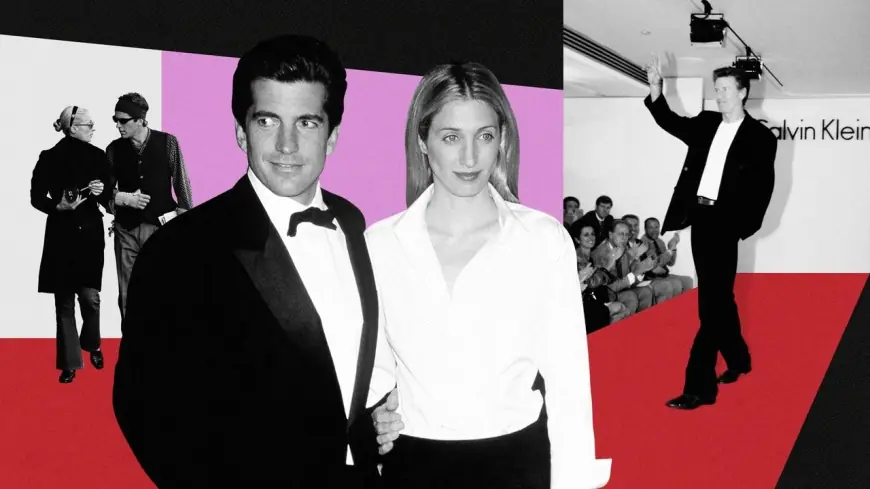
Ryan Murphy’s new dramatization of jfk jr’s marriage to Carolyn Bessette premiered this week, and its arrival has done more than renew interest in a tragic love story: it has sharpened a debate about who gets to tell Kennedy tales and how those stories shape fashion and commerce. The series’ faithful recreation of 1990s Calvin Klein chic landed just as a major runway show opted to look elsewhere for inspiration, underscoring how pop culture and the fashion calendar can collide with awkward timing.
Pop culture timing: TV premiere meets runway divergence
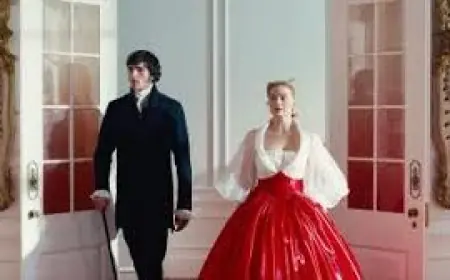
The first episode arrived the night before a flagship fashion show, creating a curious overlap between a televised portrait of late-20th-century style and a live presentation of a brand’s present-day direction. The series has been praised—after a rocky start over some early costume teasers—for capturing the reticent, pared-back aesthetic that Carolyn Bessette popularized: pencil skirts, slip dresses, white shirts and a quiet minimalism that became shorthand for a certain New York cool.
But the fashion house at the center of that look chose not to mine the 1990s literalistically. Its creative lead talked about pulling inspiration further back, toward the late 1970s and early 1980s, seeking a less antiseptic, more exploratory mood than the ultra-lean Calvin Klein of Bessette’s era. The collection offered experiments in backless suiting, sleeveless tailored pieces and unexpected surface details—moves that, while arguable, signaled a desire to resist being pigeonholed by nostalgia.
Meanwhile, retail and design players are already offering capsules and collections that trade on the series’ runway-ready romance, proving how quickly a cultural moment can be monetized. That rapid recycling of visual language is part of what makes the current moment feel combustible: a dramatized personal life becomes both aesthetic reference and a merchandising opportunity almost overnight.
Family backlash and an ethics row over storytelling
The series has also reopened old wounds. A member of the extended family publicly condemned the production as profiting from a private tragedy, calling the project grotesque in its pursuit of notoriety. The showrunner’s public dismissal of that criticism—made on a widely heard podcast—escalated the exchange, with the creative defending his right to tell a story while the family member framed it as an appropriation of personal loss.
This clash is emblematic of a larger struggle over ownership of well-known lives. The Kennedys’ public image has long been managed, mythologized and contested—part Camelot, part family tragedy, part tabloid fodder. When dramatists and producers step into that fraught terrain, the tension between artistic license and ethical responsibility intensifies, and the family’s objections land not only as personal grievance but as a challenge to the cultural machinery that transforms grief into entertainment.
What this means for the Kennedy myth, fashion and the marketplace
The collision of the series premiere and the runway show has broader implications. For fashion houses, it’s a reminder that cultural narratives can both revive and hollow out signature aesthetics: leaning into an era can feel like homage, but it can also open a brand up to imitation and dilution. For storytellers, the episode is a fresh example of how dramatization can reignite public interest in figures long gone—sometimes against the wishes of those closest to them.
At stake is how an image—of a couple, a decade, a look—gets recycled and who benefits when it does. Whether audiences see the series as a respectful elegy, a bid for ratings, or both, the moment has already reshaped conversations in fashion and public memory. Expect more cultural crosswinds as other labels and creators attempt to capitalize on renewed fascination with the era, and as the family’s guardianship of its private history remains a live, unresolved issue.