
























Independent team challenges Kurt Cobain suicide ruling with fresh forensic claims

Independent forensic investigators have published a new critique of the official finding that Kurt Cobain died by suicide in April 1994, arguing that a re-examination of autopsy files, toxicology and crime-scene images is more consistent with a staged homicide. Authorities maintain the original ruling and say the case remains closed.
What the independent team says it found
The review, led by forensic specialist Brian Burnett and independent researcher Michelle Wilkins, re-examines autopsy notes, toxicology results and crime-scene photographs from the Seattle home where Cobain was found. The team contends several scene elements are anomalous and suggest the death may have been staged.
Investigators point to the high level of heroin in Cobain’s system and suggest an overdose could have incapacitated him, allowing an assailant or group to shoot him and then arrange the scene to appear as suicide. They highlight the presence of a gun receipt and a receipt for shells found on Cobain’s person, the alignment of shells near his feet and the placement of drug paraphernalia. One of the lead researchers said the arrangement looked like a deliberate attempt to make the scene unmistakably resemble suicide.
The team also notes what it describes as odd handling of syringes and heroin supplies near the body, including capped needles, which they argue would be unlikely if someone had been actively injecting and then died soon after. Those observations form the core of the group’s assertion that the official conclusion merits re-examination.
Official response and case status
King County medical authorities continue to uphold the 1994 determination that the manner of death was suicide. A spokesperson for King County Public Health stated that the medical examiner’s office carried out a full autopsy and worked with local law enforcement in reaching its conclusion. The spokesperson added that autopsy records are private under state law and can be released only by the next of kin, and that the office would revisit its conclusion only if new, substantive evidence emerges.
Seattle police have not reopened the investigation. The official files, including photographs and notes, have been reviewed and selectively released to the public over the years, but investigators say nothing presented to date has compelled a formal reinvestigation. Cold case reviews and occasional public requests have produced additional scene images in the past, yet law-enforcement officials have repeatedly affirmed the original finding.
Why the debate endures
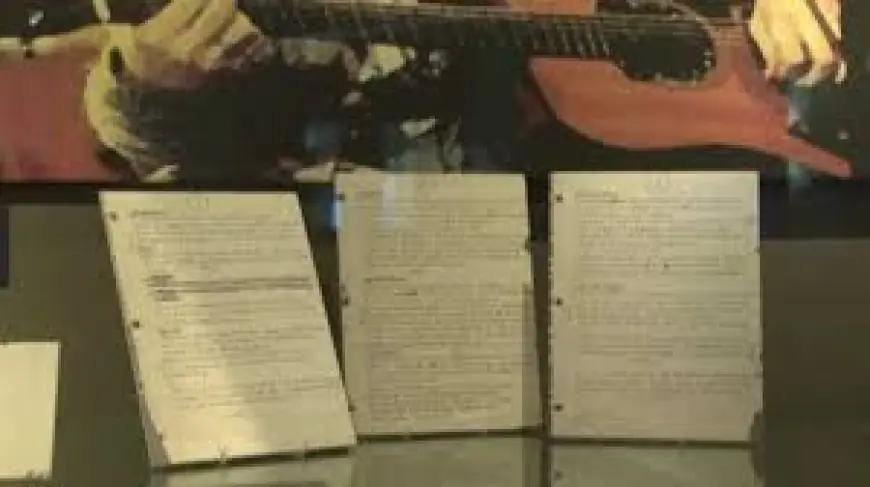
Kurt Cobain’s death has fueled decades of speculation, in part because of his fame, the circumstances of his drug use, and the presence of a handwritten note at the scene. Independent reviewers and commentators have periodically reinterpreted available records and images, producing alternate theories that attract public attention despite the official closure.
Experts caution that retrospective analyses of decades-old evidence can be limited by the quality and completeness of records, and by the impossibility of physically re-testing many materials. Forensic reappraisals can raise legitimate questions, but they do not automatically negate earlier findings unless new, verifiable evidence is produced that materially alters key conclusions.
At present, the dispute rests between the independent team’s published observations and the medical examiner’s original ruling. The investigators who challenge the suicide finding say their report is intended to prompt renewed scrutiny rather than to deliver a final legal judgment. Authorities have reiterated that they will consider new evidence if it surfaces, but for now the official determination stands.
Any movement toward reopening the case would require demonstrable, previously unavailable evidence capable of changing the central medical and investigative conclusions reached in 1994.