


















Rupert Lowe launches Restore Britain as national party, aims to unite local groups

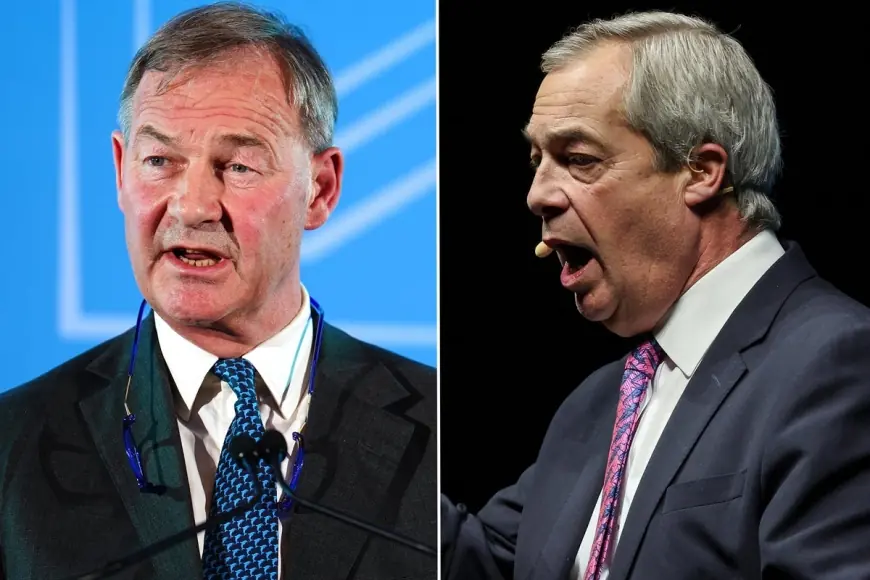
Rupert Lowe, the independent MP for Great Yarmouth, formally unveiled Restore Britain as a national political party on Friday night (ET), saying the organisation will act as an umbrella for locally based parties and contest seats at national level.
From movement to party: structure and immediate plans
Restore Britain began as a political movement after Lowe was suspended from his former party last year. The new incarnation is expected to partner with local outfits, with Great Yarmouth First already lined up as a local partner for Lowe’s planned re-election bid in his Norfolk constituency. The party’s organisers describe the model as a federation of locally rooted groups that would co-operate under a single national banner while keeping local autonomy.
Lowe, a businessman, farmer and former chairman of a top-flight football club, framed the change as a response to what he sees as a disconnect between mainstream politicians and voters. He has said he believes there is space on the right of British politics for another party that stresses independence of thought and local accountability.
Controversy, personnel shifts and policy priorities
The launch follows Lowe’s suspension from his former party amid allegations involving threats to a senior official; prosecutors later concluded there was insufficient evidence to bring charges. The dispute culminated in Lowe sitting as an independent and establishing Restore Britain as a vehicle for his political agenda.
High-profile figures who had been linked to Restore Britain while it was styled as a movement are understood to be stepping away from the party now that it will contest elections. Two senior Conservative figures who had been connected with an advisory board have signalled they will end their involvement after the move to formal party status.
Restore Britain’s public messaging highlights issues that its backers say resonate with voters in towns such as Great Yarmouth: immigration and border control, local crime and community cohesion, and the institution of targeted inquiries into alleged historical failings. Campaigners for the new party have emphasised measures they describe as protecting national character and improving accountability, and have suggested harsh stances on illegal migration and on practices they say are at odds with local norms.
Electoral prospects and political landscape
Political strategists note Lowe’s reputation for operating independently of party machinery has both helped and hindered him. Regional polling shared privately with political actors suggests he retains local support in Great Yarmouth, and party strategists argue the umbrella model could allow Restore Britain to expand without the overhead of building a fully fledged national organisation from scratch.
Critics warn that a new right-leaning party risks fragmenting the vote on the political spectrum Lowe is targeting, potentially reshaping contests in marginal areas. Supporters counter that existing parties have moved away from voters’ concerns and that a fresh option could galvanise those who feel politically unrepresented.
With local elections in some areas cancelled earlier in the year, Restore Britain’s backers say the timing is right to convert momentum from movement-style campaigns into candidates on the ballot. Lowe has signalled he will stand again in Great Yarmouth with local partners under the Restore Britain umbrella.
The new party’s formal registration and its ability to recruit candidates beyond Norfolk will determine how quickly it can move from announcement to active electoral challenger. For now, the launch marks a notable development in the evolving landscape on the right of British politics and sets up a test of whether locally centred alliances can translate into national influence.