























Baloucoune rescue bid lifts Ireland past Italy in tight Dublin contest

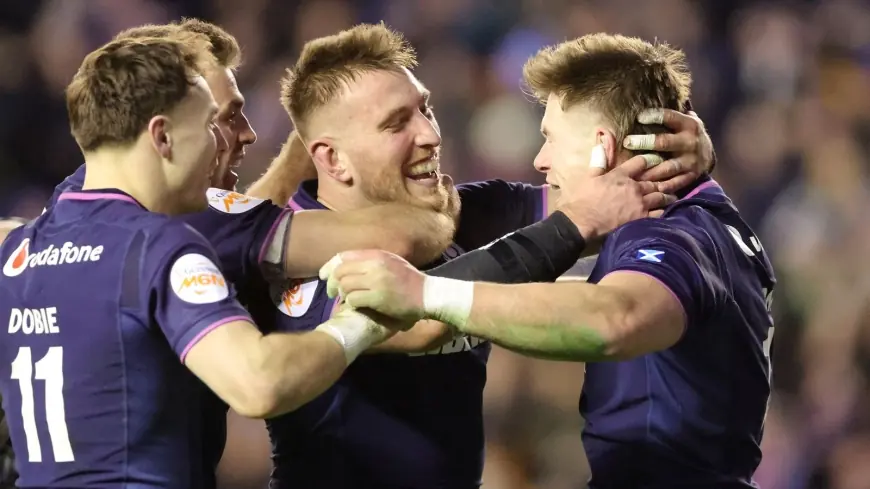
Ireland survived a stern examination in Dublin, edging Italy 20-13 in a physical Six Nations clash that swung on a moment of individual genius and a late tactical decision. The Azzurri led at half-time in the Irish capital for the first time, but Ireland dug in through the second half to cling on for a win that keeps their championship ambitions intact — if not flawless.
How the match unfolded
The game began under soggy skies that belied the spring optimism normally associated with Six Nations fixtures. Italy arrived in Dublin with clear intent and left the opening period having built a 10-5 interval lead, buoyed by a try from Giacomo Nicotera and accurate kicking from Paolo Garbisi. Ireland’s penalty problems around the scrum saw them concede a trio of set-piece penalties spanning the end of the first half and the opening stages of the second, allowing the visitors sustained pressure inside the home 22.
Ireland’s response was gradual rather than instant. A yellow card to the home side’s number nine shifted momentum and allowed Italy to camp deep in Irish territory, but the second half brought both shape and spark. The game’s decisive moment came when Robert Baloucoune produced a high-quality try from the wing, finishing a piece of inventive play that put Ireland seven points clear late in the contest. That score, and the defensive intensity that followed, ultimately decided the outcome.
Key players, turning points and selection questions
Baloucoune’s performance was the standout. The wing’s man-of-the-match display combined finishing precision with the kind of presence in the air and on the ground Ireland needed after earlier lapses. The coaching staff also saw a promising debut from Edwin Edogbo, whose physical shift after coming on helped blunt Italy’s carriers in the closing stages.
Out-half selection will be a talking point after the match. Sam Prendergast started with a tidy passing game but missed two relatively routine conversions, an error that kept the scoreboard tight and invited second-guessing. Jack Crowley’s introduction in the second half injected momentum; his appearance was greeted warmly by the crowd and his tempo-changing influence was clear. The bench changes, including the arrival of Tadhg Furlong and Tom O’Toole later on, steadied the pack when the game became an arm-wrestle.
Italy produced a competitive and structure-rich display and will take heart from leading at half-time in Dublin for the first time. They had opportunities to widen the gap further as Ireland spent periods under pressure, but lacked the final guile and fitness to turn momentum into a historic away win. Paolo Garbisi’s boot kept them in sight, and Nicotera’s try underlined Italy’s growing capacity to threaten established sides.
What it means for the six nations table
The victory keeps Ireland on the right side of the ladder, but the manner of the win highlights several pending questions. Ireland’s defence in the air — slammed in round one — showed improvement, while the scrum issues exposed vulnerabilities that opponents can target. Crucially, Ireland chose to secure the win rather than chase a fourth-try bonus point in the closing moments, a pragmatic call that preserves the two tournament points but cedes ground in the race for bonus-point advantages.
For Italy, the performance is encouraging even if it yielded no points. The Azzurri demonstrated they can unsettle top-tier opposition and will view this as a foundation to build on as the championship progresses. The result tightens pockets of the standings and underscores how every matchweek can reshape fortunes in the race for the title and for finishing positions behind the leading pack.
Those watching the Six Nations table will note that while Ireland remain contenders, the fine margins exposed in Dublin underline that a run of consistent, clinical performances is needed to convert potential into points over the coming rounds.