























Crime 101 review — a bracing, Mann-adjacent heist powered by Hemsworth's cool precision


Crime 101 is a sleek, high-octane armed robbery thriller that wears its influences visibly but never settles for imitation. Director Bart Layton tightens the bolts on a compact caper adapted from a Don Winslow novella, delivering a stylish, methodical film that privileges atmosphere, procedure and the fragile psychology of a professional thief. The film opens on 13 February (ET) in the US and UK, with an Australian release a day earlier.
A Mann-adjacent worlds: style, procedure and Route 101
From the opening set-piece the film makes no secret of the filmmaking grammar it admires: long, controlled setups, a fanatical attention to craft and a city that feels both luminous and exhausted. Where Michael Mann might stage wides and convoys, Layton opts for a leaner approach, keeping the camera close to the action and the characters. The film’s protagonist, Mike, is a consummate professional — clean-cut, surgical in execution, and as obsessed with risk minimisation as he is with aesthetics. His robberies read like choreography: blacked-out cars, precise timing and Glock-toting calm.
Layton maps a distinctive pattern to Mike’s crimes, placing many of his hits along California’s Route 101. That thread gives the narrative a pleasing logic that a lone, honest-minded detective begins to see. The road motif also becomes a shorthand for escape and entrapment — the same asphalt that promises getaway also charts the narrowing options for men who have staked their identities on one last job.
Performances steer the moral ballast
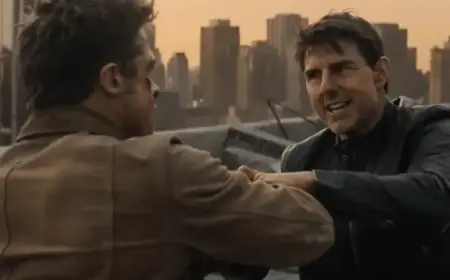
Chris Hemsworth delivers arguably one of his most controlled turns, trading his usual brawny charisma for a nervy, precise coolness. Mike’s paranoia and fastidiousness propel the plot; Hemsworth makes the thief’s internal calculations watchable and, at times, oddly sympathetic. Opposite him, Mark Ruffalo embodies the film’s conscience as a dishevelled detective whose observations feel half-colloquial, half-obsessive. Ruffalo’s performance brings an approachable, hangdog humanity that keeps the cops-and-robbers chase grounded.
The supporting cast stiffens the moral complexity. An elderly, manipulative mentor figure pressures Mike toward risk while a younger, trigger-happy replacement threatens the careful balance he has maintained. Against that, an insurance adjuster drawn into the scheme and a girlfriend kept in the dark provide emotional stakes that complicate the procedural cool. These roles give the central heist drama its human texture and occasional pangs of regret.
Style over sermon, with a few rough edges
Crime 101 revs hard on style: sound design, editing and production design collaborate to make each robbery an exercise in controlled tension. Layton’s direction keeps the film taut without fetishising violence; the robberies are precise and, for the most part, non-gratuitous. The result is a film that functions as both thriller and character study.
That stylistic focus is sometimes a double-edged sword. When the film gestures toward social commentary — fleeting shots of the city’s homeless and a bus ride that places the detective among the marginalized — the treatment feels cursory, more token than trenchant. And the film cannot quite match the oceanic, operatic sweep of the great urban heist epics it calls to mind. But those are quibbles against a picture that remains highly watchable and enjoyably tense.
More than homage or pastiche, Crime 101 refines familiar material into a compact, modern thriller. It doesn’t reinvent the wheel of the heist movie, but it polishes it to a high gloss: performance, precision and the quiet dread of a man who may be running out of roads to freedom.