
























Burt Reynolds Tell-All Reveals Pre-‘Deliverance’ Fame and ‘Boogie Nights’ Regret

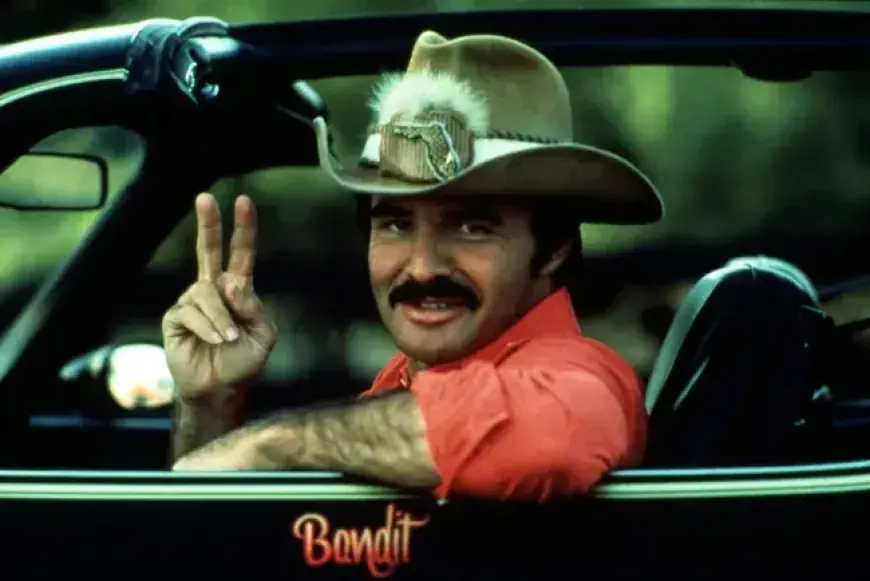
Burt Reynolds, a legendary figure in the film industry, passed away in 2018 while preparing for a role in Quentin Tarantino’s acclaimed movie “Once Upon a Time in Hollywood.” His career is often defined by three pivotal roles: the vulnerable Lewis Medlock in “Deliverance,” the charismatic Bandit in “Smokey and the Bandit,” and the Oscar-nominated Jack Horner from “Boogie Nights.” However, these iconic performances only begin to illustrate the extensive range of his work.
Burt Reynolds’ Versatile Filmography
Reynolds’ film career flourished in an era characterized by a variety of genres. From romantic comedies like “Starting Over” to gritty sports dramas such as “The Longest Yard,” his performances captivated audiences. His directorial ventures included “Sharky’s Machine,” a film that blended noir elements with compelling character dynamics, and “The End,” a subversive black comedy that remains significant even decades later.
Insights from “The Burt Reynolds Films”
In the recently published book “The Burt Reynolds Films” by Gary Schneeberger and James L. Neibaur, fans gain a deeper understanding of Reynolds’ expansive career. The authors meticulously cover Reynolds’ filmography from his debut in 1965’s “Operation C.I.A.” to his last film of the 1980s, “Breaking In.” Each chapter highlights:
- Film credits
- Detailed synopses
- Production histories and critical responses
This comprehensive format not only serves longtime fans but also introduces newcomers to his work.
Early Career and Breakthrough
Before achieving fame, Reynolds made appearances on television staples like “Alfred Hitchcock Presents” and “The Twilight Zone.” However, it was his charming persona on talk shows that endeared him to audiences. His breakthrough came with “Deliverance” in 1972, which established him as a serious actor, despite previous misconceptions stemming from his public image.
Success and Challenges in the 1970s
The period following “Deliverance” led to some of Reynolds’ most interesting projects, including “The Man Who Loved Cat Dancing” and both Peter Bogdanovich collaborations, “At Long Last Love” and “Nickelodeon.” The critical reception for these films varied, but they showcase the diverse roles he undertook during this time.
His role in “Smokey and the Bandit” transformed him into a cultural icon, defining the persona of a charming Southern anti-hero. This film’s success led to an era where Reynolds dominated the box office, tracking his peak from 1978 to 1982.
Regrets and Missed Opportunities
Despite a fruitful career, Reynolds often expressed regret over roles he turned down. Notable films he passed on include:
- “M*A*S*H” directed by Robert Altman
- “Star Wars”
- “Pretty Woman”
- “Die Hard”
- “Terms of Endearment”
His hesitations in accepting projects sometimes left audiences wondering about what could have been.
Later Career and Final Days
The late 1980s and 1990s presented challenges for Reynolds, marked by a series of lesser-known films. Although he struggled critically during this period, his performance in “Boogie Nights” revitalized his career. Ironically, he later expressed confusion about his role in this critically acclaimed movie.
His final role in “The Last Movie Star” serves as a poignant conclusion to his legacy, beautifully reflecting his life experiences.
Conclusion
“The Burt Reynolds Films” offers an enlightening exploration of a storied career filled with both triumphs and missteps. Reynolds’ unique ability to navigate various film genres and connect with audiences remains a significant part of cinematic history, making him a beloved icon in the film community.
This book is available from BearManor Media and serves as an essential guide for those wishing to delve deeper into the life and work of Burt Reynolds.