























Baldoni and Lively Lawsuit Challenges Creative Freedom Boundaries on Set

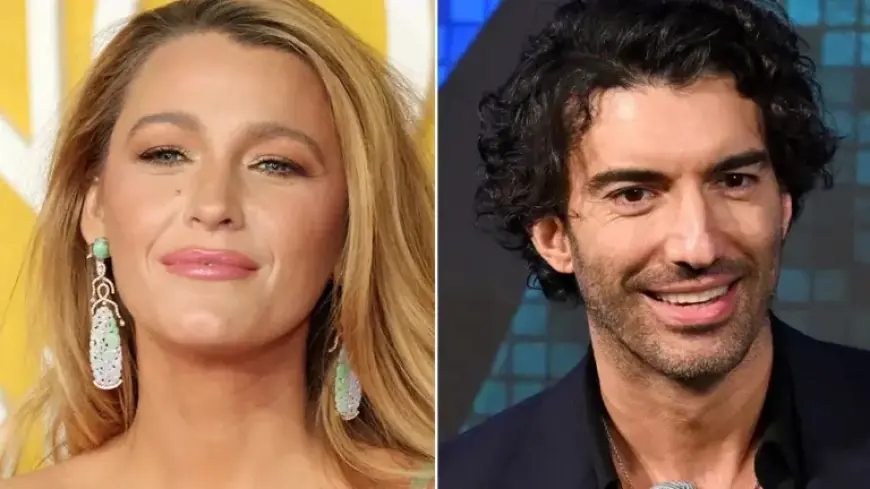
Director Justin Baldoni and actress Blake Lively are currently embroiled in a high-profile lawsuit concerning the film “It Ends With Us.” This case presents substantial implications for creative freedom on film sets and examines the boundaries of acceptable behavior in Hollywood.
The Lawsuit Details
The lawsuit, now under review by a federal court, features allegations from Lively against Baldoni and other individuals associated with the film. The complaints arise from conversations and comments made on set, including Baldoni’s remarks about Lively’s appearance, which he referred to as “pretty hot” during an informal interaction. This comment, while lighthearted for some, is viewed by Lively as indicative of a deeper issue regarding inappropriate behavior.
Historical Context and Precedents
This lawsuit brings to mind the landmark 2006 case Lyle v. Warner Bros., which focused on the balance between creative expression and workplace conduct. At that time, the California Supreme Court ruled in favor of the writers of “Friends,” stating that explicit discussions were part of the creative process. That conclusion has drawn scrutiny today, particularly in light of shifting societal standards.
- In 2006, the California Supreme Court supported creative freedom in Hollywood.
- The “Friends” case involved overtly sexual comments made in the writers’ room.
- Amaani Lyle, who filed the suit, noted the cultural shifts post-#MeToo movement.
Implications of the Current Case
Unlike the “Friends” case, Lively’s allegations are examined in a contemporary context. Her lawsuit claims that Baldoni’s behavior, which included discussions about his personal life and requests for intimate scenes, created an uncomfortable environment. Lively’s breaking point reportedly occurred when the Wayfarer Studios CEO shared an intimate personal video with her.
Company Policies and Standards
Wayfarer Studios maintains strict policies against sexual comments and innuendos. This includes a zero-tolerance stance toward harassment, which Baldoni was aware of prior to the lawsuit. Despite attending an HR training session addressing these policies, Lively’s team argues that Baldoni’s behavior amounted to sexual harassment.
In a legal framework, the threshold for what constitutes actionable harassment remains high. Allegations must demonstrate that misconduct is “severe or pervasive,” a standard that has proved challenging in many cases. In Lively’s situation, the judge must determine whether her claims warrant a jury trial, examining the severity of Baldoni’s alleged conduct in relation to workplace standards.
Current Proceedings and Outcomes
The legal battle continues, with the parties recently participating in a court-mandated mediation that did not yield an agreement. Both Baldoni and Lively are prepared to face the case in court, a rarity in today’s landscape where many employers opt to settle disputes before trial.
As the case unfolds, it serves as a significant indicator of evolving standards in Hollywood regarding creative freedom and unacceptable behavior on set. The outcome may shape future guidelines on conduct, affecting how filmmakers and actors interact in an industry still grappling with these issues.
Reflecting on her experience, Amaani Lyle emphasized the power dynamics that often influence such cases, noting that both Baldoni and Lively have more leverage than she did during her legal battle, suggesting that existing disparities still pervade the industry.