
























2026 Winter Olympics women’s snowboard halfpipe: Choi Ga-on stuns Chloe Kim in a wild final as the podium turns on one fearless last run

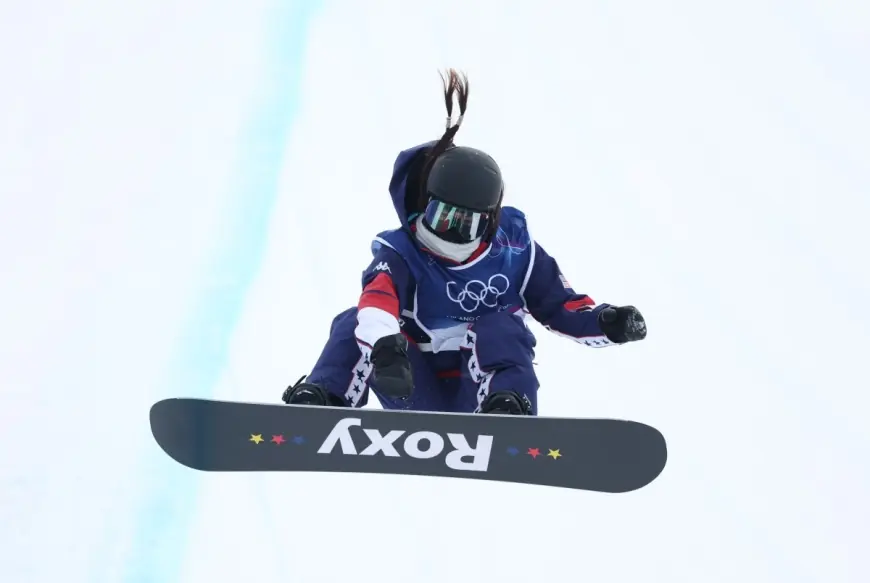
The 2026 Winter Olympics women’s snowboarding halfpipe final delivered the kind of chaos that only a three-run showdown can produce: early falls, a favorite left chasing, and a teenager who landed the run of her life when it mattered most. On Thursday, February 12, 2026, in USA Eastern Time, South Korea’s Choi Ga-on won Olympic gold with a late, pressure-soaked score of 90.25, denying American star Chloe Kim a historic third straight Olympic halfpipe title. Kim took silver with an 88.00, and Japan’s Mitsuki Ono earned bronze with an 85.00.
It was not a case of the champion collapsing. Kim put down a strong opener that would win plenty of Olympic finals. Choi simply raised the ceiling at the last possible moment.
Women’s halfpipe final: what happened run by run, and how Choi Ga-on flipped the script
Kim’s best score came on her first run, the classic veteran move in a high-risk event: post a bankable number early, then decide whether to push difficulty or protect position. That 88.00 put her in pole position and forced everyone else into chase mode.
Choi’s night, by contrast, was defined by survival and nerve. She went down on her first two runs, the nightmare scenario in a format that offers only three chances. With the podium seemingly slipping away, she dropped into the pipe for her final attempt needing a make, not just a cleaner version of what she’d tried earlier. She delivered, landing a high-amplitude run that judges rewarded with a 90.25 and the lead.
Ono’s bronze was the quieter story inside the larger shock: steady execution when others were scrambling. In a final where margins were razor-thin and the pipe demanded commitment, her 85.00 was the kind of clean score that cashes in when the field gets volatile.
Choi Ga-on: why this gold matters beyond one medal
Choi is 17, and that matters because women’s halfpipe is currently in a transition phase: the trick progression is accelerating, and the sport is rewarding riders who combine massive amplitude with technical spins while still keeping the run visually fluid. Winning an Olympic final after falling twice sends a message that the next era is not just talented, it’s fearless.
This is also a momentum-shifter for South Korea’s winter sports narrative. Halfpipe medals have long been concentrated among a small set of powerhouse programs. Choi’s breakthrough expands the map and raises the competitive pressure on the established order.
Chloe Kim Olympics: what silver says about the state of women’s halfpipe in 2026
Kim’s silver is not a failure, but it will be framed as one because she entered the final chasing history. The reality is more revealing: the sport has caught up to the idea of inevitability.
Kim’s approach, posting a strong first score, reflected experience. But the current competitive environment punishes anything short of a peak run. When one rider can produce a 90-plus on the final drop, the favorite’s margin for error becomes microscopic, even if the favorite never crashes.
The second-order effect is psychological: as difficulty keeps rising, champions can no longer rely on “safe excellence.” They must decide whether to risk a fall by pushing their hardest tricks, or hold a strong score and hope nobody finds a breakthrough. Choi forced the answer.
How old is Chloe Kim?
Chloe Kim is 25 years old as of February 12, 2026, USA Eastern Time. She was born April 23, 2000.
That age detail matters because Kim is now in the phase where she is competing not just against the field, but against the sport’s accelerating progression cycle. Halfpipe is increasingly shaped by younger riders whose entire development has been built around today’s trick expectations, while veterans must constantly update, refine, and recalibrate.
What we still don’t know: the missing pieces behind the final’s drama
Even with the podium decided, key questions remain that will shape how this result is interpreted:
-
Whether conditions in the pipe, including speed and visibility, influenced the unusually high fall rate in the final
-
What difficulty choices Kim considered after her first-run lead, and whether she felt she needed to push more to secure gold
-
How Choi’s training base and competitive schedule set her up to land a medal-quality run after two falls
Those details matter because they determine whether this was a one-night upset or the first clear sign of a long-term shift.
Myles Garrett girlfriend: where he fits into the Chloe Kim storyline
For fans asking about Myles Garrett’s girlfriend, the public answer is Chloe Kim. Their relationship has been widely reported and openly acknowledged in public appearances.
In the Olympic context, it adds an off-slope layer to Kim’s week: high attention, higher scrutiny, and the odd reality that an athlete’s personal life becomes part of the public conversation during medal events. It doesn’t change the scoring, but it does change the spotlight.
What happens next: realistic scenarios for the women’s halfpipe rivalry
-
Choi becomes a season-long favorite if she builds consistency to match her ceiling, turning this gold into the start of a dynasty conversation.
-
Kim recalibrates quickly if she treats silver as proof the sport is forcing a new peak, and responds by raising her own difficulty and run management.
-
Japan’s depth keeps rising if riders like Ono continue to collect podiums through steadiness, making the medal fight a three-nation chess match rather than a two-rider duel.
-
The event gets even more unpredictable if finals continue to be decided by last-run heroics, rewarding athletes who can tolerate maximum pressure.
For one night in Livigno, the women’s halfpipe belonged to the rider who refused to let two falls define her final. Choi Ga-on took the only thing that matters in the Olympic halfpipe, the last clean, biggest run when everyone else is holding their breath.