

























Matt Goodwin’s Childless Tax Underscores Reform’s Disregard for Infertile Women

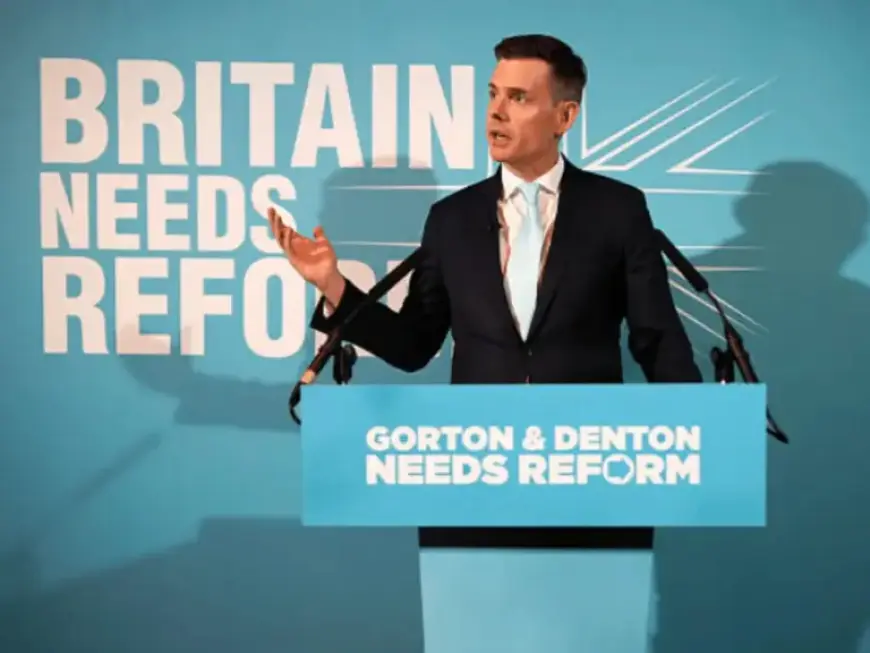
Matt Goodwin’s Proposal for Childless Tax Highlights Reform’s Neglect of Infertile Women
Matt Goodwin, the Reform candidate for Gorton and Denton, has ignited controversy with his recent proposal. In a blog post from 2023, he suggested imposing additional taxes on individuals without children. This idea was portrayed as a punitive measure against those who remain childless.
The Family Crisis Narrative
Goodwin argues that the traditional British family is in decline. He believes this familial breakdown is having detrimental effects on society. To address this issue, he presented a series of proposals aimed at fostering a “pro-family culture.”
Key components of his plan include:
- A national day to celebrate families.
- A telegram from the monarchy for families welcoming their third child.
- Embedding the significance of family within school curricula.
- Prioritizing British families in new housing developments.
- Tax relief for mothers with two or more children.
While this vision aims to promote family values, it raises ethical concerns about the treatment of women and childless individuals.
Negative Child Benefit Tax
Perhaps the most controversial element of Goodwin’s proposal is a “negative child benefit” tax. This would penalize those without children, suggesting that childless adults should bear the financial burden of their reproductive choices.
Reform supports Goodwin’s agenda. A spokesperson stated that this idea is part of a larger discussion needed to tackle the nation’s demographic challenges. However, critics argue that such measures could inadvertently endanger vulnerable populations, particularly women.
Consequences for Women
Critics, including Labour Deputy Leader Lucy Powell, have condemned Goodwin’s plan as regressive. She argues it would diminish the dignity and autonomy of women, treating them primarily as vessels for reproduction. The proposal, while claiming to encourage childbearing, could manipulate women into unwanted situations, exacerbating social inequalities.
Furthermore, the emotional toll on women struggling with infertility cannot be overlooked. Many face significant challenges, and punitive measures against childless individuals send a harmful message. It perpetuates the stigma that those who cannot conceive are somehow inadequate.
Broader Implications
Goodwin’s rhetoric underscores a worrying trend in certain political circles where women’s roles are reduced to their ability to bear children. Supporting such stances reflects a societal issue that prioritizes traditional family structures over individual choices.
As these discussions unfold, the implications for both women and families highlight the critical need for a balanced and considerate approach to reproductive rights and family policy. Any reform effort should inclusively address the diverse experiences of all individuals, including those facing infertility.
In conclusion, Matt Goodwin’s proposals and the support they received from Reform demonstrate a significant oversight regarding the rights and positions of childless women and those who cannot conceive. The debate surrounding these issues remains vital as society grapples with evolving family dynamics and gender equality.