























Alfonso Ribeiro mourns James Van Der Beek as family fundraiser tops $1.8 million

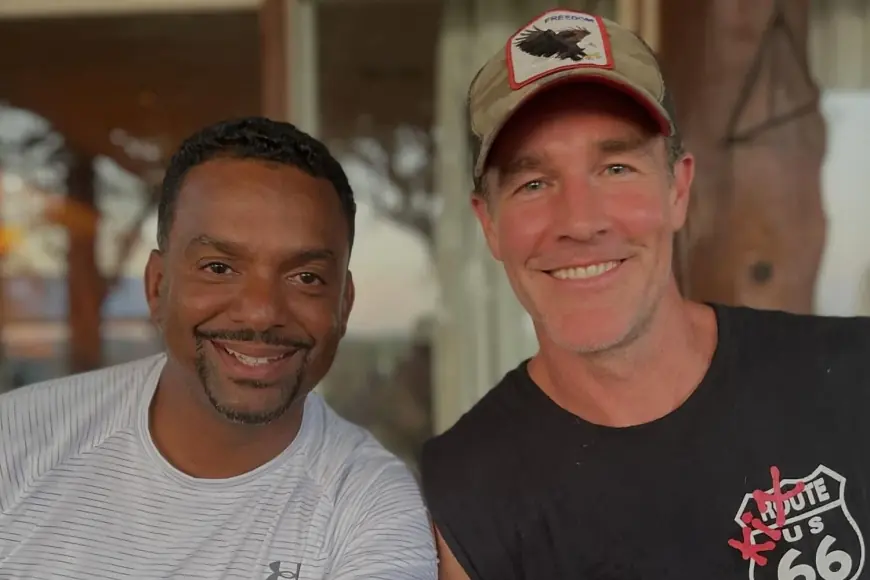
A day after actor James Van Der Beek died at 48 following a battle with stage 3 colorectal cancer, longtime friend Alfonso Ribeiro shared a photo and message describing their final moments together—an emotional post that arrived as a crowdfunding fundraiser for Van Der Beek’s wife and six children surged past $1.8 million.
The parallel developments have turned public attention toward two things at once: the intimacy of a friend’s goodbye and the scale of support mobilizing for a family facing ongoing medical and living expenses after a long illness.
Ribeiro shares a last goodbye
Ribeiro, 54, posted a bedside photo taken shortly before he said farewell to Van Der Beek, writing that his “last moment” was making his friend laugh one more time. In a second tribute, Ribeiro said he is the godfather to Van Der Beek’s daughter Gwendolyn and pledged continued support for the children.
The posts landed as fans and colleagues continued to react to the news of Van Der Beek’s death on Wednesday, February 11, 2026, and as tributes highlighted both his career and his role as a father of six.
The fundraiser’s rapid rise
A crowdfunding campaign organized for Kimberly Van Der Beek has accelerated quickly, fueled by small donations from fans and larger gifts from public figures. The campaign description says costs from the extended cancer fight left the family “out of funds,” and that donations will help with essential living expenses and education for the children.
As of 6:30 p.m. ET on Thursday, Feb. 12, the fundraiser reported:
| Metric | Figure |
|---|---|
| Amount raised | $1,805,216 |
| Goal | $1,500,000 |
| Donations | 35.3K |
The pace and volume reflect a familiar pattern in major celebrity-loss fundraisers—an early spike driven by headline attention, followed by a second wave as tributes circulate and supporters share the campaign across personal networks.
A closer look at Van Der Beek’s final years
Van Der Beek publicly discussed his cancer diagnosis after first learning he had stage 3 colorectal cancer in 2023. In recent months, he had spoken about the physical and emotional demands of treatment and the strain that extended medical care can place on a household—especially when work becomes intermittent or impossible.
His wife, Kimberly, announced his death in a family statement on Wednesday and asked for privacy as they grieve. The family’s move away from a public-facing posture during the hardest parts of treatment has made the recent tributes—especially the ones describing last visits—feel unusually direct for fans who followed his career for decades.
Why this story is resonating now
The combination of a personal farewell and a financial reality is striking a nerve because it collapses two worlds that are often kept separate in celebrity coverage: the on-screen identity and the practical costs of serious illness.
Three elements, in particular, are driving the intensity of public reaction:
-
The image of friendship at the bedside—a rare, unfiltered look at loss that feels immediate rather than performative.
-
The family scale—six children, with education and stability concerns spelled out in plain terms.
-
The speed of public mobilization—tens of thousands of donations in about a day, signaling how quickly attention can convert into tangible support.
What happens next
The most immediate question is whether the fundraiser’s organizers will revise the goal upward or publish additional detail about how the funds will be used, as large campaigns often do once they surpass initial targets. Another likely development is a broader wave of organized tributes—benefit events, coordinated awareness efforts, or memorial initiatives—focused on colorectal cancer screening and early detection, an area Van Der Beek had emphasized during his illness.
For Ribeiro, the public response has placed added weight on the role he described in his tribute: remaining present for the children as they navigate grief and an uncertain next chapter. For supporters, the next phase will be less about the headline number and more about whether sustained help continues after the first burst of attention fades.