

























Winter Olympics medal count: Norway leads golds as Italy tops total medals

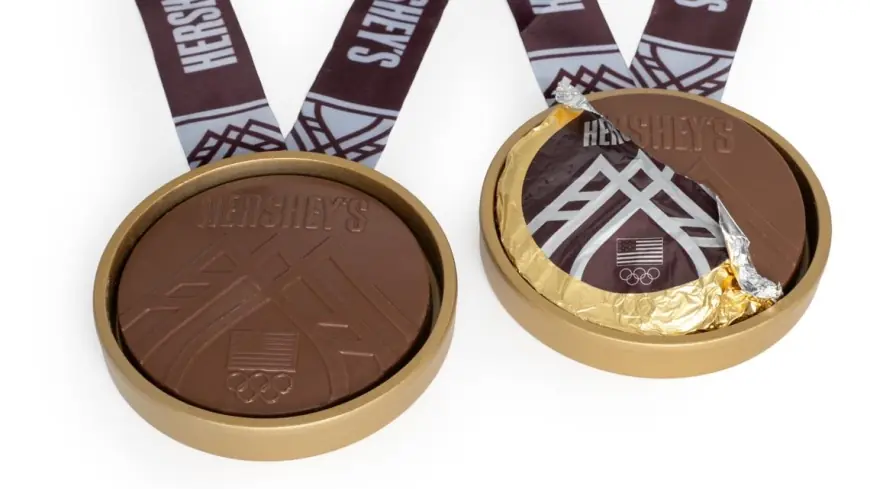
The Winter Olympics medal count tightened after Thursday’s competition slate, with Norway holding the edge in gold medals while host nation Italy moved in front on overall medals. The gap among the top teams remained narrow enough that a single strong day in alpine skiing, cross-country, or the sliding sports could quickly reshuffle the standings.
As of 7:00 a.m. ET on Friday, February 13, 2026, the official tabulation through Thursday, February 12 showed Norway on top in golds, Italy in front in total medals, and the United States tied with Norway on overall medals but behind on golds.
Medal leaders after Thursday’s events
Norway’s early advantage has been built on a familiar formula: converting podium chances into wins rather than settling for silvers, keeping it in front in the key tiebreak category. Italy’s story is different—more medals spread across events, giving it the deepest overall haul so far and steady momentum in the host spotlight.
The United States has stayed within striking distance thanks to frequent podium appearances, even without matching Norway’s gold pace. Germany, Sweden, and Switzerland round out the top group by golds, with Austria and France close enough to pressure the top six if they string together a strong weekend.
Winter Olympics medal count table (top six)
| Rank (by gold) | Country | Gold | Silver | Bronze | Total |
|---|---|---|---|---|---|
| 1 | Norway | 7 | 2 | 5 | 14 |
| 2 | Italy | 6 | 3 | 8 | 17 |
| 3 | United States | 4 | 7 | 3 | 14 |
| 4 | Germany | 4 | 3 | 2 | 9 |
| 5 | Sweden | 4 | 3 | 1 | 8 |
| 6 | Switzerland | 4 | 1 | 2 | 7 |
What’s driving the early standings
Two forces tend to shape early Olympic medal tables: depth and conversion rate.
Depth shows up in Italy’s total count. Even if wins are slightly harder to come by in tightly contested finals, a high volume of podiums keeps a team near the top and builds cushion against a cold day.
Conversion rate is Norway’s hallmark. Turning medal opportunities into gold matters disproportionately because the table is sorted by gold first, and early leads can become self-reinforcing as teams gain confidence and refine their event-by-event strategy.
For the U.S., the mix so far points to a team that is consistently in contention. The next step is translating those silver-heavy stretches into wins, especially in events where the margin is often a single mistake, a judging edge, or a handful of tenths.
Where the medal race can swing next
The weekend schedule typically brings a dense cluster of medal events, and that’s where standings can shift fast:
-
Alpine skiing can flip the gold race quickly because a single nation can grab multiple podiums in one day across disciplines and genders.
-
Nordic events often reward teams with deep pipelines and multiple medal threats per race, making them prime territory for table movement.
-
Sliding sports and snowboard/freestyle can generate surprise podiums, which is where mid-table nations can leap upward and disrupt the top order.
With Norway and the U.S. tied on total medals but separated by golds, one breakout day from either side could produce a headline change by Saturday night.
What to watch in the next 48 hours
The key storyline is whether Norway can keep winning at its current rate, or whether the medal distribution starts tilting toward teams collecting more first-place finishes in bunches. Italy’s position as the total-medals leader suggests it has more chances coming, and converting just a portion of those into gold would put real pressure on Norway at the top.
Meanwhile, the United States’ path to climbing the table is straightforward: it doesn’t need a massive medal surge—just a slightly better gold conversion from the opportunities it’s already creating.
The next update to the Winter Olympics medal count is likely to reflect that reality: a tight top group, a host nation pushing volume, and a gold race that could pivot on a single afternoon.