

























Canada opens 2026 Olympic men’s hockey with 5–0 win over Czechia

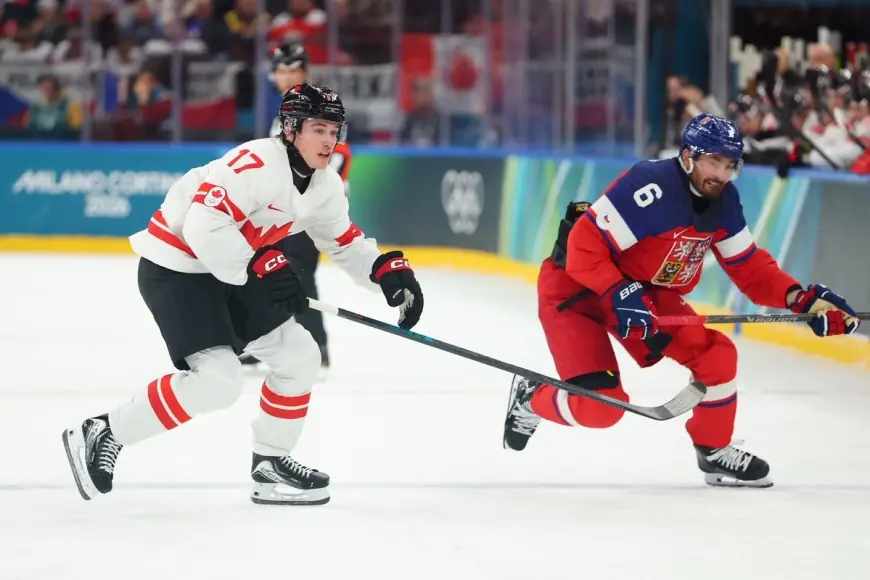
Team Canada’s men delivered an emphatic start at the 2026 Winter Olympics on Thursday, Feb. 12 (ET), shutting out Czechia 5–0 in their tournament opener and immediately putting the rest of the field on notice. The game mattered beyond the score: it marked the NHL’s return to the Olympic men’s tournament and offered an early snapshot of how quickly Canada’s star-heavy roster can look organized when the pace ramps up.
Rookie forward Macklin Celebrini scored Canada’s first goal of the Olympic tournament, while Jordan Binnington turned aside 26 shots for the shutout.
Canada vs Czechia: how it unfolded
Canada’s opener had two clear themes: early execution and defensive control. The team established structure quickly—clean exits, layered support through the neutral zone, and enough offensive-zone time to force Czechia to defend for long stretches.
Celebrini’s opener was the moment most fans will remember, both because it broke the seal on Canada’s Olympic campaign and because it signaled that a 19-year-old is not just on the roster for the experience. After that first strike, Canada’s depth took over, adding goals across the lineup and squeezing the game until it looked like a one-way track meet.
Czechia generated chances—enough to test Binnington regularly—but Canada’s back pressure kept most attempts to the perimeter, limiting second opportunities and rebounds.
The goaltending choice looks settled—for now
A major pre-game question for Canada was who would start in net. Binnington’s shutout didn’t just earn two points; it reinforced the idea that the coaching staff wants stability and calm behind a roster built to attack.
A 26-save blanking in Game 1 also gives Canada flexibility for the compressed schedule. Olympic tournaments can punish teams that overwork their starter early, especially when back-to-backs and short turnarounds arrive later in the group stage. Canada now has the luxury of making the next crease decision from a position of confidence rather than urgency.
Macklin Celebrini’s first Olympic statement
Celebrini’s goal will travel because of the timing and the symbolism: first Canadian goal of the tournament, first game with NHL participation back in the mix, and a teenager delivering immediately in a men’s event where ice shrinks fast and time disappears under pressure.
The more important detail is what it suggests tactically. If Celebrini can play reliable minutes without being sheltered, Canada can roll lines more aggressively—keeping legs fresh and maintaining pace late in games. In a short tournament, depth isn’t just a luxury; it’s how favorites avoid a single off night turning into an elimination scare.
Where Canada sits in the group picture
The opener places Canada in good shape early, but the bigger message is goal differential and control. In Olympic group play, teams are often separated not only by points but by secondary tiebreakers, and strong starts can reduce the risk of needing help later.
Canada and Czechia are expected to be among the stronger teams in their pool, so a decisive result can also tilt confidence and strategy: one side can play with more patience; the other may need to chase points more aggressively against the remaining opponents.
What’s next for Team Canada: schedule and stakes
Canada’s early task is simple: keep stacking points without exposing the roster to unnecessary wear. The next two games also shape whether Canada can manage minutes and still secure the best possible route into the medal rounds.
| Date (ET) | Matchup | Why it matters |
|---|---|---|
| Feb. 14 | Canada vs France | Chance to lock in group control and manage workload |
| Feb. 16 | Canada vs Switzerland | Likely tone-setter for seeding and tiebreakers |
| Feb. 20–22 | Medal-round phase | Single-game volatility begins |
Exact puck-drop times vary by venue session; the key is that the tournament cadence tightens quickly, and small details—special teams discipline, line matchups, and goaltending rotation—start to matter more than raw star power.
The bigger signal from Game 1
A 5–0 opener can be interpreted as “it’s only one game,” and that’s true. But it can also be evidence of something real: a team with elite skill that is already defending responsibly, finishing chances, and getting timely saves.
If Canada keeps that balance, the tournament becomes less about whether they can score and more about whether anyone can disrupt their rhythm. Czechia, meanwhile, will likely need a sharp response in its next outing—because in Olympic hockey, the margin for a slow start is thin, and the bracket rarely forgives it.