

























Sussan Ley’s Ambitious Start Faces Challenges and Setbacks

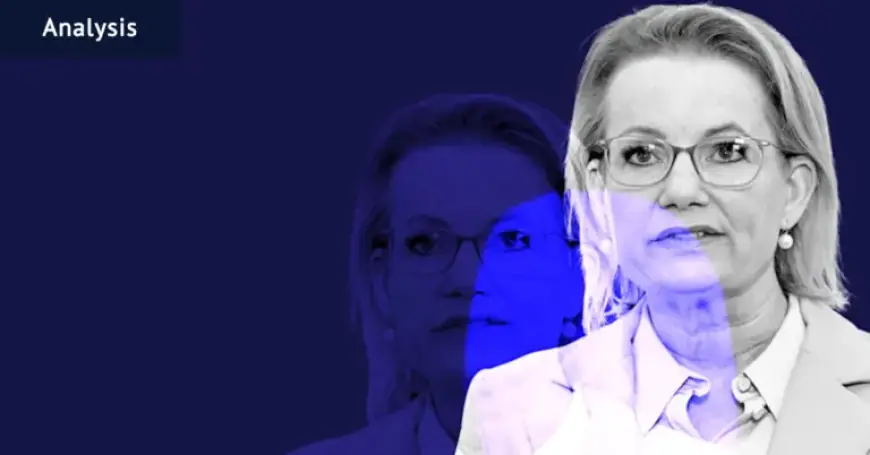
Sussan Ley’s leadership journey as the first female leader of the federal Liberal Party has been marked by both ambition and significant challenges. Elected in May, her goal was to reshape the party’s focus towards the sensible center and re-engage with diverse Australian communities. However, after just nine months in office, these aspirations remain largely unfulfilled.
Sussan Ley’s Leadership Challenges
Initially, Ley embraced an optimistic outlook. She aimed to connect with Australian women, youth, and multicultural communities. Yet, as time progressed, the Liberal Party’s internal divisions and declining poll numbers weighed heavily on her leadership.
Leadership Defeat
- Voting Outcome: Ley was ousted in a leadership vote, losing 34 to 17, symbolizing a fractured party.
Senator James Paterson, who resigned from Ley’s frontbench, acknowledged the difficult circumstances surrounding her leadership, describing it as a collective responsibility. This sentiment reflects the broader challenges women often face in political leadership roles, often referred to as the “glass cliff.”
Initial Hopes and Subsequent Downfall
Upon taking office, Ley made immediate changes, attempting to connect with the press and communities. These early initiatives prompted positive responses, indicating her potential appeal to voters.
Poll Performance
- Approval Ratings: Ley’s approval rating plummeted to -39, marking the worst performance for an opposition leader in 23 years.
However, Ley’s leadership soon faced tumult as debates over immigration and climate action divided the party. Despite attempts to unite the party, her advocacy for centrist policies often clashed with the more conservative factions.
Critical Decisions and Their Impact
Several pivotal moments defined Ley’s time in office. Her approach towards immigration drew criticism, leading to internal challenges and leadership speculations. The resignation of MP Andrew Hastie highlighted her precarious position and worsening authority within the party.
Strategic Missteps
- Internal infighting overshadowed Ley’s leadership.
- Her calls for immediate legislative action often backfired, particularly regarding the Bondi attack bill.
Ultimately, her attempts to strongly position the party on critical issues lacked clarity. Ley’s strategy of consultative leadership occasionally led her to align with the more vocal conservative members, diluting the centrist vision she originally embraced.
Conclusion
The culmination of these challenges has left Sussan Ley’s leadership marked by contradictions, as she struggled to establish a solid foundation with a unified Liberal Party. While her resilience was noted by colleagues, the overarching question remains: Did she have the necessary support and authority to realize her vision for the party? The answer, reflected in the recent leadership challenge, suggests a need for further reevaluation within the Liberal Party.