
























Remaining Neutral: Avoiding Politics

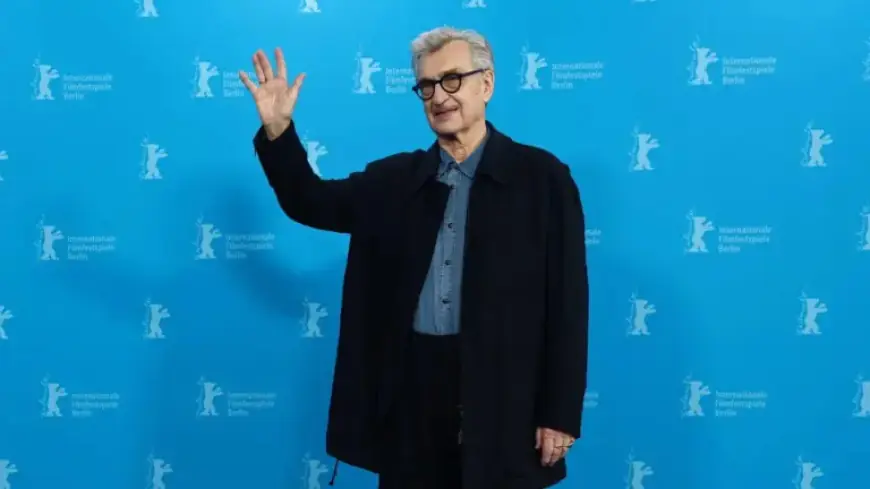
Renowned German filmmaker Wim Wenders emphasized the role of cinema in society, distinguishing it from politics. He made these remarks during the international jury press conference at the 2026 Berlinale, which began on February 16 and is set to continue until February 22. Wenders was accompanied by a distinguished jury, including South Korean actor Bae Doona, Polish producer Ewa Puszczyńska, American director Reinaldo Marcus Green, Nepali filmmaker Min Bahadur Bham, Japanese director Hikari, and Indian archivist Shivendra Singh Dungarpur.
Addressing Political Concerns
During the press conference, a journalist pointed out the inherent political context surrounding the Berlinale, referencing the festival’s historical stance on issues in places like Iran and Ukraine. They questioned the jury about the German government’s involvement in the Gaza conflict and the perceived selective treatment of human rights.
Puszczyńska responded by defending the complexity of the question, arguing that films do not inherently carry a political agenda. She expressed that filmmakers aim to prompt discussions that inspire viewers, rather than to dictate political support. Wenders reinforced this sentiment, asserting that filmmakers should remain apolitical and serve as a voice for the public rather than politicians.
The Power of Cinema
The discussion then shifted to the impact of films on societal perceptions. Wenders articulated that movies can change how individuals view their lives, offering empathy and compassion in ways that news and politics often do not. He affirmed the belief that while films do not necessarily change politicians’ minds, they can influence public thought and feelings.
Future of Filmmaking
American director Reinaldo Marcus Green, known for his work on “Bob Marley: One Love,” shared insights about the evolving landscape of filmmaking in the age of streaming services. He acknowledged the nostalgia for traditional cinematic experiences but recognized the new opportunities available for emerging filmmakers today.
Conclusion
The Berlinale 2026, which opened with Shahrbanoo Sadat’s film “No Good Men,” aims to celebrate the art of filmmaking while navigating the complex relationship between cinema, politics, and social issues. As the festival progresses, discussions around the role of film in society continue to be pivotal.