

























Canadian Oil Industry Set to Expand Through Mergers and Acquisitions

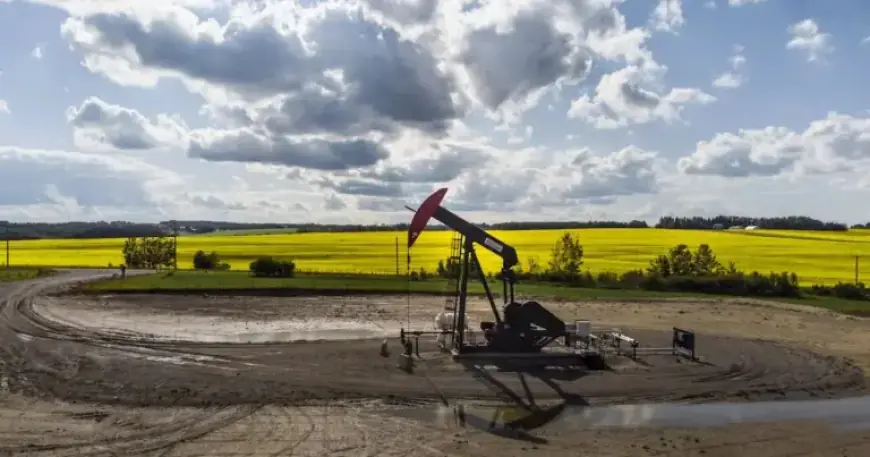
Consolidation in the Canadian oil industry is anticipated to persist, following a slew of significant mergers and acquisitions last year. Industry analysts are considering whether foreign investors will join the trend. Many companies have opted to merge rather than invest heavily in drilling, especially as oil prices remain flat, hovering around $60 per barrel. Shareholders are demanding improved returns through dividends and buybacks, prompting firms to explore strategic combinations.
Current Trends in Mergers and Acquisitions
Grant Zawalsky, senior partner at Burnet, Duckworth and Palmer LLP, describes M&A as a means for growth without the financial risks associated with new drilling ventures. Zawalsky has been involved in several noteworthy transactions, including:
- The competitive bidding for MEG Energy Inc., won by Cenovus Energy Inc.
- Whitecap Resources Inc.’s $15 billion merger with Veren Inc.
- Ovintiv Inc.’s $3.8 billion purchase of NuVista Energy Ltd.
His firm participated in eight of the ten largest energy deals last year, a notable indicator of the ongoing consolidation trend, predominantly among domestic companies.
Outlook for 2026
Tom Pavic, president of Sayer Energy Advisors, predicts a busy year ahead for M&A activity, though he suggests that values may not reach the highs seen in previous years. He notes that this year will likely feature more small-scale transactions in a “buyer’s market.” Companies are keen to expand their drilling inventories cost-effectively.
Regulatory and Market Challenges
The investment climate is becoming more favorable, particularly following a comprehensive energy agreement between Ottawa and Alberta that supports a new West Coast oil pipeline. However, global interest in Canadian acquisitions remains lukewarm.
Potential Buyers and Market Dynamics
U.S. private equity firms are increasingly interested in Canadian assets. These investors look to acquire undervalued Canadian companies, bolster production, and ultimately sell or take them public. Zawalsky notes that they are generally more willing to accept regulatory risks compared to established oil and gas producers.
Hostile bids, although rare, can complicate the acquisition landscape. The MEG-Strathcona bidding war, for example, involved significant legal complexities and considerable costs for bidders.
Future of the Canadian Oil Sector
According to ATB Capital Markets, a “modest slowdown” in consolidation is expected among explorers and producers. Several structural and economic factors contribute to this downturn, including:
- Depletion of high-quality acquisition targets.
- Weakness in oil commodity prices moving into the new year.
- Limited willingness to sell at lower valuations during this price cycle.
The market dynamics present a challenging environment for transactions, highlighting the disparity between opportunistic buyers and sellers waiting for favorable conditions.
As the Canadian oil industry navigates these changes, it will be essential to monitor both local and foreign investment trends, bolstered by strategic mergers and acquisitions.