

























Supermarket Shelves May Soon Experience Significant Changes

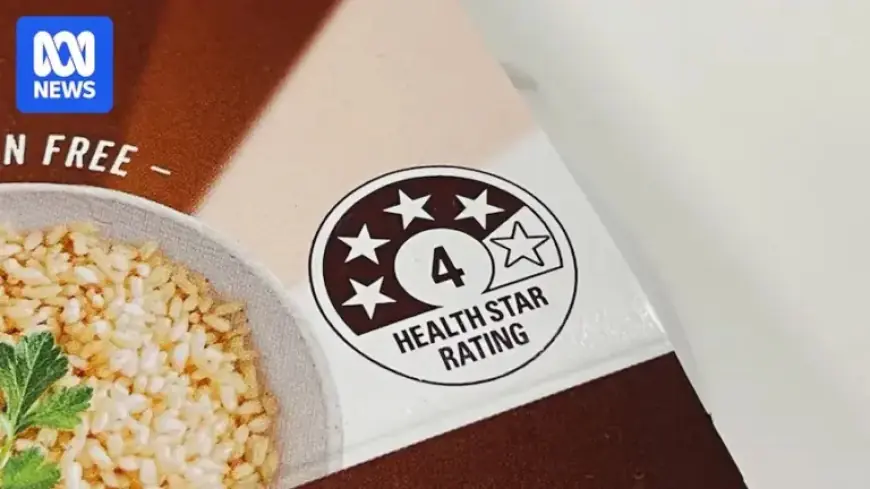
The upcoming meeting of food ministers from Australia and New Zealand is poised to bring significant changes to supermarket shelves. The focus is on the potential implementation of the Health Star Rating scheme, which aims to create a standardized nutrition labeling system for packaged food products.
Current Status of Health Star Rating
As confirmed by 7.30, a majority of food ministers are leaning towards making nutrition labels mandatory. This decision will follow a formal proposal from the food regulator, expected to be developed within the next year. Currently, the federal government and five states or territories show support for this initiative.
The Health Star Rating system is designed to help consumers assess the healthiness of food quickly. However, recent data indicates that the food industry has not met its voluntary target of having the Health Star Rating on 70% of packaged products by November 2025. Only about 37% of products currently feature these labels.
Government Perspectives
Federal Assistant Health Minister, Rebecca White, expressed disappointment at the industry’s low uptake of Health Star Ratings. She emphasized the need for consumers to have easier access to health and nutritional information.
- Current uptake of Health Star Ratings: 37%
- Target for November 2025: 70%
Concerns Over Ultra-Processed Foods
As discussions continue, public health experts have voiced concern regarding ultra-processed foods. These items often contain high levels of additives, which may not be adequately reflected in current nutritional ratings.
Dr. Phillip Baker, a public health expert from the University of Sydney, suggested that the rating algorithm should account for products classified as ultra-processed. His recent study published in the Lancet Medical Journal indicated that ultra-processed foods pose an urgent public health threat. The research revealed:
- 42% of the average Australian diet consists of ultra-processed foods.
- Higher consumption rates are only seen in the U.S., U.K., and Canada.
- Such foods are linked to increased risks of chronic diseases including obesity and type 2 diabetes.
Industry Perspectives
Contrarily, Dr. Duncan Craig from the Australian Food and Grocery Council defended ultra-processed foods. He claimed that processing ensures food safety and accessibility. According to a Department of Health spokesperson, the Health Star Ratings incorporate both positive and negative nutrient factors to evaluate foods.
Future Directions for Health Star Ratings
There is growing momentum for a review of the Health Star Rating algorithm to include considerations of ultra-processing. Prominent researchers, including Alexandra Jones from the George Institute for Global Health, argue that such changes can close existing loopholes in the current system. An expert panel at the National Health and Medical Research Council is currently prioritizing this review, coinciding with the release of new Australian Dietary Guidelines. This will mark the first revision in 13 years.
As these discussions unfold, supermarket shelves may soon see a transformation that could significantly affect consumer choices and public health standards in Australia and New Zealand.