

























Fat Tuesday 2026 falls on Feb. 17 as Mardi Gras reaches its peak

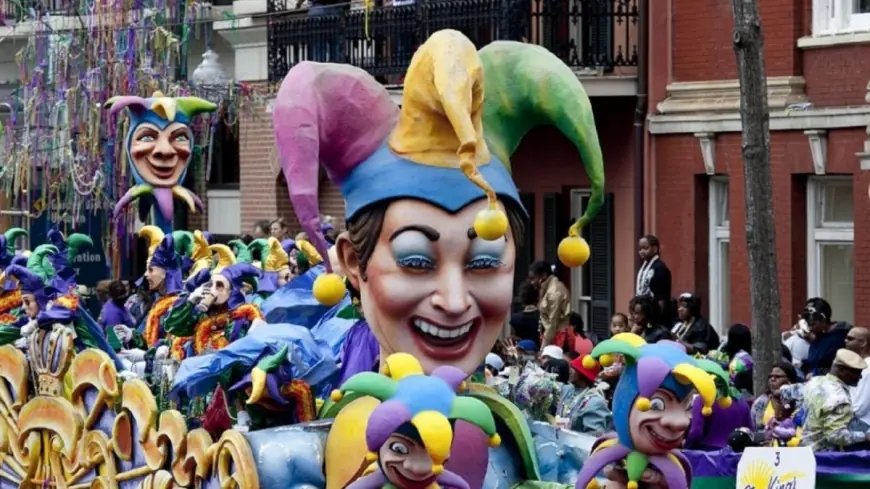
Fat Tuesday 2026 lands on Tuesday, February 17, 2026 (ET), marking the final—and biggest—day of Carnival before Lent begins the next morning. From predawn parades on the Gulf Coast to all-day street celebrations in major cities, the date is driving a familiar rush: travel plans, parade timing, public safety guidance, and the last burst of revelry before Ash Wednesday on February 18 (ET).
For many communities, the key story this year isn’t just the parties—it’s the logistics. With large crowds expected and winter weather always a wildcard, organizers are emphasizing earlier starts, clearer route information, and faster turnaround for cleanup and reopening streets.
Why the date moves every year
Fat Tuesday is tied to the Christian calendar because it falls the day before Ash Wednesday, which opens the 40-day Lenten season. That means it shifts each year based on when Easter falls.
In practical terms: Mardi Gras is never “late February” or “early March” by default—it can be either, and that variability shapes everything from hotel pricing to parade schedules to staffing for police, sanitation, and transit.
Fat Tuesday 2026: parade day in New Orleans
In New Orleans, February 17 is the traditional crescendo, with signature parades that draw national and international visitors. The day’s most recognized events start in the morning and build toward a packed afternoon in the city’s core celebration areas.
One widely used local schedule shows major parades beginning at approximately 8:00 a.m. and 10:00 a.m. (ET). Those early start times are a reminder that “Mardi Gras Day” is often a long, sunup-to-sundown marathon rather than a single nighttime spectacle.
Beyond the routes, the city’s planning focus is crowd flow—keeping corridors open for emergency access, limiting bottlenecks at major intersections, and moving people away from parade paths as the day winds down to make room for cleanup crews.
Mobile and the Gulf Coast keep their own rhythm
While New Orleans gets much of the national spotlight, Mobile’s Mardi Gras tradition remains a major draw in its own right, and its Fat Tuesday schedule is packed with daytime and evening parades.
A central parade listing for Mobile shows multiple processions starting late morning and continuing into the evening, including a nighttime parade beginning around 6:00 p.m. (ET). Communities along Alabama’s coast also run their own events on February 17, turning the day into a regional circuit for families who plan to catch more than one parade.
The common thread across these Gulf Coast celebrations is timing discipline: parade staging, route clearance, and post-parade dispersal matter as much as the floats themselves when the calendar forces a hard stop before Ash Wednesday.
Pancakes, parties, and what people actually do
Outside the Gulf Coast, Fat Tuesday is often observed less as a parade holiday and more as Shrove Tuesday—an “end of indulgence” moment before Lent. Traditions vary widely, but two themes show up again and again:
-
Food made to use up rich ingredients (butter, eggs, sugar), especially pancakes and fried pastries
-
Community gatherings—school events, church suppers, neighborhood parties—built around the idea of one last feast
Even in places without formal Carnival seasons, February 17 is showing up on calendars as a themed night out: restaurants offering limited-time menus, bakeries expanding pastry runs, and bars hosting costume or masked events.
A global Carnival calendar converges in mid-February
In Brazil’s largest Carnival celebrations, the 2026 season is scheduled to run through the same window, with headline events concentrated around the weekend leading into Fat Tuesday and the day itself. That alignment—major street festivals and parade-style competitions peaking in the same week—helps explain why travel demand often spikes in mid-February when the date falls early.
Here’s how the core dates line up (all times ET):
| Event | Date (ET) | What it signals |
|---|---|---|
| Fat Tuesday (Mardi Gras) | Tue, Feb. 17, 2026 | Final day of Carnival celebrations |
| Ash Wednesday | Wed, Feb. 18, 2026 | Lent begins; many events end overnight |
| Peak Gulf Coast parades | Feb. 14–17, 2026 | Busiest stretch for crowds and closures |
| Major Brazil Carnival window | Feb. 13–21, 2026 | Citywide festivals and parade nights |
What to watch on Feb. 17
The biggest variables on Fat Tuesday are crowd density and weather. Organizers can manage routes, staffing, and start times, but heavy rain or high winds can force last-minute changes—including earlier roll times or shortened routes.
For attendees, the simplest planning guidance tends to matter most: verify start times the day of, arrive earlier than you think you need to, keep phone power and layers in mind, and have an exit plan that doesn’t depend on one single street or rideshare pickup point.
Fat Tuesday 2026 will be loud, crowded, and fast-moving—exactly as intended. The challenge for cities is delivering the celebration while keeping the day predictable enough that everyone can get home safely and the lights can come back on for Ash Wednesday.
Sources consulted: NewOrleans.com; MardiGrasNewOrleans.com; Mobile.org; RioCarnaval.org