
























Canada medal count at Milano Cortina 2026: where Team Canada stands on Feb 11, 2026 ET, plus Olympic medal standings and what’s next

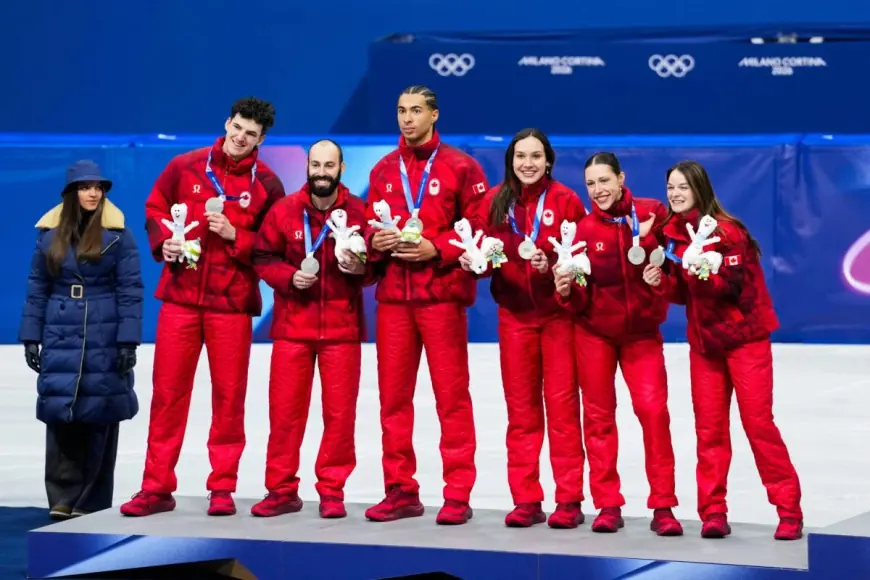
Canada’s medal count at the Olympics in 2026 is starting to take shape as the Winter Games move through their first full week. As of the end of competition on Tuesday, Feb 10, 2026 ET, Canada has 3 total medals: 0 gold, 1 silver, 2 bronze. The number matters not only for bragging rights, but because early podiums tend to calm a delegation, validate preparation choices, and reduce pressure on star athletes who arrive with expectations.
Canada medal count 2026 and Olympic medal standings so far
With four more competition days already in the books by that Feb 10 ET checkpoint, the overall Olympic medal standings show a familiar pattern: a handful of winter powers separating early, with a dense middle where a single event can swing several places.
After Tuesday’s events, Norway leads the overall medal table with 12 medals, including 6 gold. Close behind are Italy with 11 total medals, plus a tight chase group that includes the United States with 7 total medals. Canada’s 3 medals keep it in touch, but the bigger question is medal quality: golds drive the headline ranking, and Canada’s best gold opportunities often cluster later, especially across freestyle, snowboarding, speed skating, and hockey.
Olympics 2026 in Milan: why the early medal pace can mislead
Early Games medal counts can exaggerate who is “hot” because the schedule front-loads certain sports. Nations built around alpine and Nordic disciplines often surge first. Canada’s medal identity is different: it leans heavily on action sports and ice events where finals can stack up on the same days. That means the story isn’t just “how many medals does Canada have,” but when Canada’s strongest medal windows open.
There’s also a strategic incentive behind the scenes: coaches and sport leaders want athletes peaking at the right time, not peaking on arrival. A slow start is not automatically a bad sign if targeted medal events are still ahead.
Olympics today: Canadian storylines to watch on Feb 11, 2026 ET
Wednesday’s attention is split between two kinds of moments: medal events that can add to the count immediately, and qualifying rounds that quietly decide who even gets a chance later.
A few Team Canada notes shaping the conversation:
-
Valérie Grenier has already logged a key early result in alpine, and the bigger takeaway is confidence and rhythm rather than a single finish. Alpine is unforgiving: one small error ends a medal bid, so consistency across runs becomes the real signal.
-
Renata Fast anchors Canada’s blue line presence in women’s hockey, where tournament play is as much about managing minutes and matchups as it is about the scoreboard. Early-round results influence seeding, which can reshape the path to a medal game.
-
Mackenzie Boyd-Clowes keeps Canada visible in ski jumping, a discipline where margins are tiny and conditions can flip outcomes quickly. Even without a podium, a strong performance can push the program forward through funding and athlete pipeline effects.
Snowboarding Olympics 2026 schedule: how to time the biggest events
Snowboarding is a major Canada medal driver, and the schedule is also where fans feel the time-zone challenge most sharply.
Key scheduling reality:
-
Snowboard competition begins Thursday, Feb 5, 2026 ET, and runs across the Games with finals spread out rather than packed into one weekend.
-
Start lists and exact event times can change because of weather and course conditions, so the most reliable approach is to check the day’s live schedule the morning of competition, then again a few hours before finals.
Behind the headline, snowboarding is also where national programs protect their stars: teams often choose media and training routines that minimize distractions, because one small lapse in focus can mean missing a final by a fraction.
How to watch the Olympics in Canada without missing medal moments
If you’re trying to watch Olympics live in Canada, the practical playbook is simple:
-
Use the official Canadian rights-holder broadcast on television for marquee events and prime-time coverage.
-
Use the rights-holder streaming service for multiple simultaneous feeds, replays, and sport-specific channels.
-
For on-the-go viewing, prioritize live finals and Canada-heavy heats first, then catch replays for long preliminary sessions.
-
If you care most about medal standings and Olympic results, check official results pages after each session ends to avoid time-zone confusion.
Canadian Olympic clothing: why the kit is part performance, part message
Canadian Olympic clothing is not just about looking sharp in Milan. It’s a logistical system: layers engineered for travel, warm-up, mixed venues, and team visibility. The design choices are also branding choices: recognizable red-and-white identity, high-contrast outerwear for cold venues, and ceremony pieces that signal unity. The incentive is twofold: athletes want comfort and function; organizers want a consistent national image that travels well across broadcasts and photos.
What we still don’t know and what happens next
What’s missing right now:
-
Which sports will deliver Canada’s first gold is still developing, because several major medal events haven’t reached finals yet.
-
“How many medals will Canada have” is impossible to pin down early because a few medal-rich days can rewrite the table quickly.
Next-step scenarios to watch, with clear triggers:
-
Canada’s first gold arrives in a finals-heavy day in freestyle or snowboarding, triggering a quick jump up the standings.
-
Hockey seeding tightens after key preliminary games, shaping a tougher or smoother bracket path.
-
A weather-affected sliding of outdoor finals compresses schedules, increasing fatigue and unpredictability.
-
A breakout performance in speed skating or short track adds medals in clusters, because multiple distances can fall within a short window.
Canada’s medal count is real-time drama, but the deeper story is timing: the Games reward the teams that manage energy, pressure, and conditions best, not just the teams that start fastest.