

























2026 Winter Olympics Ice Hockey and Moguls: Schedule, Results, and the Jakara Anthony–Matt Graham Storyline

The 2026 Winter Olympics are hitting a busy midweek stretch in both ice hockey and moguls skiing, with tournament tables starting to show separation and marquee athletes moving from qualifying to medal pressure. Wednesday, February 11, 2026 ET is a pivot point: men’s ice hockey begins to stack meaningful group results, while moguls shifts from “get through safely” to “win it when it counts.”
Winter Olympics ice hockey: Wednesday and Thursday schedule in ET
Men’s ice hockey continues tonight with two group-stage games:
-
Wednesday, February 11: Finland vs Slovakia at 6:40 PM ET
-
Wednesday, February 11: Italy vs Sweden at 11:10 PM ET
Thursday brings a packed slate:
-
Thursday, February 12: France vs Switzerland at 2:10 PM ET
-
Thursday, February 12: Canada vs Czechia at 6:40 PM ET
-
Thursday, February 12: United States vs Latvia at 11:10 PM ET
-
Thursday, February 12: Denmark vs Germany at 11:10 PM ET
On the women’s side Thursday also features a headline matchup:
-
Thursday, February 12: Canada vs Finland at 4:30 PM ET
Looking ahead to medal games, the women’s bronze medal game is set for Thursday, February 19 at 4:40 PM ET and the women’s gold medal game at 9:10 PM ET. The men’s bronze medal game is scheduled for Saturday, February 21 at 10:40 PM ET, with the men’s gold medal game on Sunday, February 22 at 4:10 PM ET.
Ice hockey standings so far: the early shape of the women’s tournament
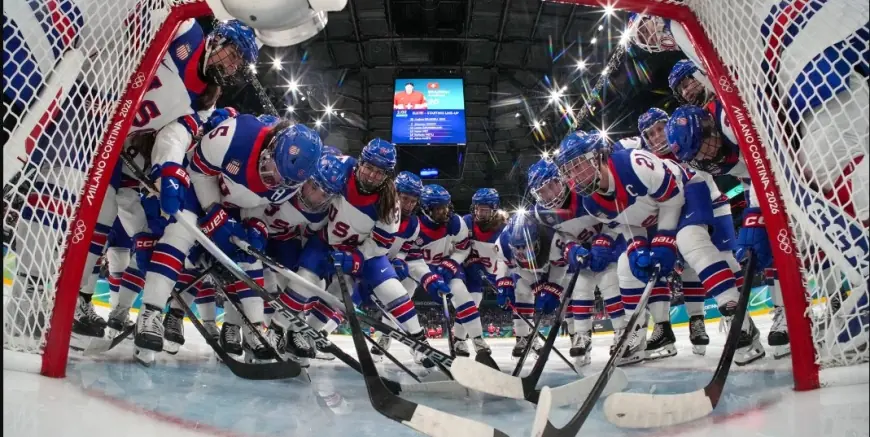
In women’s group play, the top of the table has started to crystallize in a familiar way: the United States and Sweden have raced to the top of their groups with perfect point totals so far, while Canada and a cluster of challengers are positioned to make the knockout phase volatile.
What this means in practice is that the next phase of the schedule matters as much as the win-loss record. The incentives are different now: early games reward depth and pace, but elimination hockey rewards special teams, goaltending form, and the ability to win tight third periods when fatigue and nerves peak.
Moguls skiing: Jakara Anthony leads qualifying, Matt Graham survives it
Moguls has delivered one of the week’s cleanest storylines: the defending women’s champion, Jakara Anthony, opened her campaign by topping qualification on Tuesday, February 10 with an 81.65, putting herself in the driver’s seat for the final rounds.
On the men’s side, Matt Graham advanced by the narrowest of margins among the automatic qualifiers, landing in the last direct spot with a 75.77 that barely held off a challenger on 75.31. The details matter here: moguls is a sport where a single timing error can cascade through turns and jumps, so “not my best but still enough” is often the difference between staying alive and going home.
Two other key notes from the women’s side underline how unforgiving this discipline is. Emma Bosco placed 17th with 66.58 and Charlotte Wilson placed 28th with 49.95, meaning both need to ski again Wednesday to try to get into the top 20.
Behind the headline: why moguls qualifying is a strategy problem, not just a run
Moguls is judged and the schedule is dense, which changes incentives. In qualifying, athletes are balancing two competing goals:
-
Put down a safe-enough run to advance
-
Avoid showing their absolute ceiling too early, when the only thing that matters is surviving
That’s why you will sometimes see top contenders look “controlled” rather than explosive in the first round. Saving risk for finals is rational, but it’s also dangerous: a conservative run can still get clipped by light changes, bumps that grab a ski, or a slightly late line that forces a bailout.
For Anthony, the pressure is uniquely asymmetrical. As the defending champion, she is simultaneously the standard everyone is chasing and the person with the most to lose reputationally if a small mistake turns into a shock exit. For Graham, the pressure is more about timing and peaking: advancing is step one, but he’ll need a cleaner, higher-difficulty package to contend when the final is decided.
What we still don’t know and what to watch next
In ice hockey, the missing pieces are goaltending trends and special-teams efficiency as the tournament tightens. A team can look dominant early, then get flipped in one game by penalties, a hot goalie, or a short bench after injuries.
In moguls, the missing piece is how athletes adjust difficulty for finals. Qualifying scores don’t always translate because finals reward athletes who raise the ceiling without losing control. Watch for three triggers:
-
A noticeable jump in difficulty from medal favorites
-
Conditions that change visibility or snow texture, which can scramble expected outcomes
-
Early finalists setting a high mark that forces riskier responses down the order
What happens next: realistic scenarios
-
Anthony converts top qualifying into a medal run if she maintains clean turns while increasing difficulty in finals.
-
Graham becomes a podium threat if he tightens execution and upgrades without letting speed erase precision.
-
In ice hockey, early leaders hold if they keep discipline and goaltending form, but a single upset can reshuffle quarterfinal paths and turn the medal race into matchup math.
The common thread is pressure migration. This week is when the Olympics shift from accumulation to elimination, and both hockey and moguls punish hesitation in very different ways.