

























Winter Olympics medals: Sturla Holm Lægreid’s bronze adds to Norway’s early haul and puts biathlon back at the center of Milano Cortina 2026

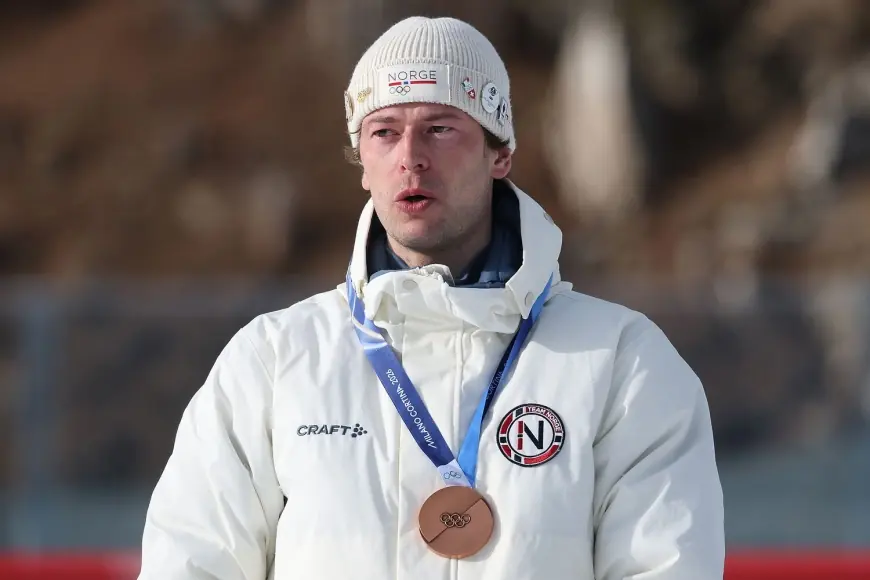
The Winter Olympics medal race is taking shape in the opening stretch of Milano Cortina 2026, and one of the most talked-about moments so far has come from biathlon. On Tuesday, February 10, 2026 ET, Norway’s Sturla Holm Lægreid won bronze in the men’s 20 km individual, a result that both strengthens Norway’s position in the early medals picture and highlights how unforgiving the sport’s biggest test can be.
Lægreid, also widely written as Sturla Holm Laegreid, has long been a headline name in biathlon’s World Cup circuit. But the Olympic individual discipline carries a different kind of pressure: it is not only ski speed and shooting accuracy, it is penalty time that can erase a great day with a single lapse. In a week where margins have been tight across multiple events, the biathlon podium has become one of the clearest early signals of which programs are handling Olympic intensity best.
What happened: a bronze in biathlon’s most punishing format
The men’s 20 km individual is often described as the sport’s most ruthless race because mistakes are “paid for” directly in the final time. That structure rewards athletes who can resist adrenaline, slow their breathing on the mat, and hit targets when legs are screaming. Lægreid’s bronze confirms that Norway is again bringing medal-level depth to the Games, even with intense competition from France and a widening group of nations that now expect to contend in biathlon finals.
This matters for the broader Winter Olympics medals storyline because biathlon is a high-volume medal sport that can swing the table quickly. One podium becomes a platform: it boosts confidence for the relay, raises expectations for the pursuit and mass start, and forces rivals to treat Norway as the team to beat even when the favorite label shifts between athletes.
Behind the headline: why Lægreid’s medal is bigger than one race
Context is everything. Norway entered the Games with a reputation for winter dominance, but Olympic success is never automatic, especially in biathlon where a single bad shoot can turn gold pace into mid-pack. An early medal provides proof that preparation, equipment, and decision-making are aligning under Olympic conditions.
The incentives for athletes and teams are layered:
-
For Lægreid, an Olympic medal is legacy-defining in a sport where the Games can outweigh years of World Cup results in public memory.
-
For Norway, every early podium helps manage internal pressure. A strong start lets coaches rotate athletes more intelligently later, protecting form for relays and late-week finals.
-
For challengers, seeing Norway on the podium early sharpens tactics. Teams become more aggressive in pacing, wax strategy, and shooting rhythm, because “good” is not enough when the top program is already cashing medals.
Stakeholders extend beyond biathlon. National Olympic committees watch medals as a narrative engine. Sponsors and broadcasters track which athletes can carry prime-time interest. And other winter sports programs within the same country often feel the ripple effect: early medals can calm nerves and lower the emotional tax on favorites in the days that follow.
What we still do not know about the medal race
Even with a visible early trend, the Winter Olympics medal picture is still volatile. Several missing pieces will decide how the table looks by the final weekend:
-
Whether Norway’s biathlon depth converts into relay medals, where team composition and shooting order are decisive
-
How weather and snow conditions evolve across venues, especially for endurance events where small changes can flip outcomes
-
Whether any top contenders are carrying illness or minor injuries that have not been publicly detailed
-
How the schedule load affects athletes who are targeting multiple events in a short span
In other words, Lægreid’s bronze is a signal, not a conclusion.
What happens next: realistic scenarios and triggers to watch
-
Norway expands its medal count through biathlon relays if shooting remains consistent. Trigger: clean first two legs that avoid time penalties and keep the team in contact.
-
A French surge reshapes the biathlon hierarchy if ski speed continues to separate the field. Trigger: fast course splits paired with controlled standing shooting.
-
A surprise nation breaks through for repeat podiums if conditions favor a particular wax and pacing profile. Trigger: rapidly changing snow that rewards adaptable service teams.
-
Lægreid turns bronze into another medal if confidence translates into more aggressive skiing. Trigger: top-tier range time without compromising accuracy.
-
The overall Winter Olympics medals race stays tight deep into the Games if multiple sports distribute podiums widely. Trigger: different nations winning in alpine, Nordic, and freestyle events rather than one team running away.
Why it matters
The Olympics are not only about who wins, but about which programs show repeatable excellence under the most public pressure in sport. Sturla Holm Lægreid’s bronze gives Norway early proof of strength in a discipline that can dramatically influence the medal table, while reminding everyone else that the path to the top is measured in seconds, heartbeats, and a handful of shots that must land when it counts most.