

























Eddie Bauer retail operator enters bankruptcy, launches liquidation across 180 stores

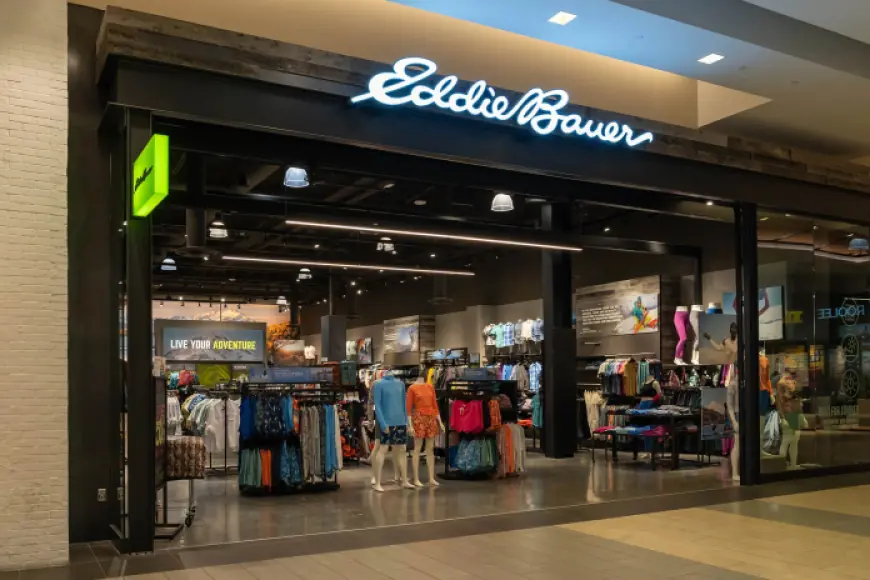
Eddie Bauer’s U.S. and Canadian store operator filed for Chapter 11 protection on Monday, Feb. 9, 2026, and began liquidation sales across roughly 180 retail and outlet locations, putting a century-old outdoor apparel name on a fast track toward a major brick-and-mortar pullback. The filing keeps the door open for a buyer to acquire the store business, but the default path outlined so far is a wind-down unless a deal emerges quickly.
The bankruptcy is narrowly focused on the entity that runs the stores in the United States and Canada, not the broader brand name used on products sold through other channels.
What the bankruptcy covers
The case centers on the operating company responsible for Eddie Bauer’s physical stores in the U.S. and Canada. Those stores are expected to remain open in the near term while liquidation sales run, a structure designed to preserve value and raise cash during the court-supervised process.
The filing also signals that lenders are backing the plan to liquidate inventory, with an option to pivot if a buyer steps in to purchase the retail business as a going concern. That kind of “sale-or-liquidate” approach has become common in distressed retail, where the quickest way to find a bidder is to start markdowns and set a firm timeline.
Store closures and the liquidation timeline
While exact schedules will vary by location, the plan described publicly points to springtime deadlines for a sale decision and late-spring completion for store closing sales if no buyer is found.
Here are the key milestones that have been discussed so far:
| Milestone | Timing (ET) | What it means |
|---|---|---|
| Chapter 11 filing | Feb. 9, 2026 | Court process begins; stores stay open |
| Liquidation sales begin | Week of Feb. 9, 2026 | Broad markdowns across stores |
| Target date to advance a sale process | By mid-March 2026 | Court approval path for a potential buyer |
| Expected completion of most closing sales | By May 2026 (approx.) | Stores likely shut if no buyer emerges |
The company has already shuttered dozens of locations before the filing, reflecting a longer-running contraction in mall-based specialty retail. The Chapter 11 process now accelerates what had been a gradual footprint reduction into a defined endgame.
Who owns the brand, and what may continue
A key detail in this situation is the separation between the brand’s intellectual property and the store operator. The brand name and licensing rights are held outside the store-operating entity, which means the Eddie Bauer label can continue on products even if the current store fleet disappears.
That structure matters because it increases the odds consumers will still see Eddie Bauer merchandise sold through other distribution arrangements, even if U.S. and Canadian company-run stores close. It also means operations outside the U.S. and Canada that are run by other licensees are not necessarily part of this bankruptcy and may continue normally.
Why the retail business hit a wall
Eddie Bauer’s store operator has been contending with pressures that have squeezed many mid-market apparel chains:
-
Higher operating costs for leases, labor, and logistics
-
Heavy discounting across the sector, which compresses margins
-
Softer demand for discretionary apparel during uneven consumer spending cycles
-
A long-running shift of traffic away from traditional malls and toward online and off-mall formats
Even brands with strong recognition can struggle if their store economics rely on steady foot traffic and full-price selling. In this case, the move to liquidation indicates the store operator could not stabilize performance quickly enough to service obligations and maintain inventory flow on standard terms.
What shoppers, employees, and landlords should expect next
For shoppers, the near-term experience is straightforward: deeper markdowns, shrinking size and color availability, and an increasing share of final-sale policies as inventory clears. Gift card and return policies can change during bankruptcy proceedings, and consumers typically need to watch in-store postings closely.
For employees, liquidation often brings uncertainty around transfers, retention incentives, and final schedules as locations wind down. For landlords, the process can produce a wave of lease rejections and accelerated vacancy decisions—especially in malls where backfilling large apparel boxes is already difficult.
The next inflection point is whether a buyer emerges for the store business as a whole or for pieces of it. If a bidder appears, the story can shift quickly from “closing” to “relaunch,” often with a smaller footprint and a reworked lease portfolio. If not, the likely outcome is a broad exit from U.S. and Canadian brick-and-mortar stores by late spring.
Sources consulted: Reuters; The Associated Press; Bloomberg News; Forbes