

























Trump’s Racist Obama Image Post Highlights Notable Shift

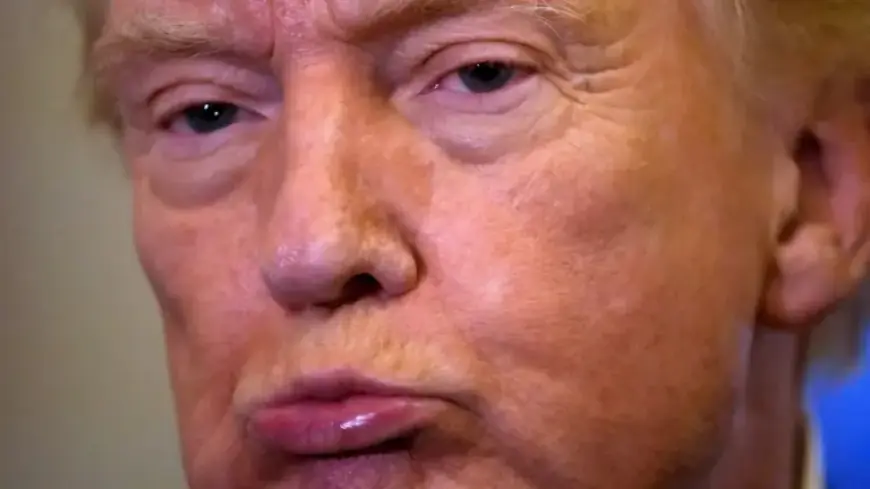
Recent events have brought to light a controversial post shared by former President Donald Trump, which depicted Barack and Michelle Obama in a racially charged manner. The image, which some interpreted as blatantly racist, raises significant concerns about the ongoing presence of bigotry in political discourse.
Trump’s Controversial Image Post
On social media, Trump shared a video that portrayed the Obamas as apes. This action sparked immediate backlash regarding its overt racial implications. Critics argue that this type of dehumanizing imagery draws upon historical racist tropes that have long been associated with white supremacy.
Historical Context of Trump’s Racist Behavior
- In the 1970s, the U.S. Department of Justice sued Trump and his father, Fred, for racial discrimination in housing.
- During the 1980s, Trump publicly called for the death penalty for the Central Park Five, a group of young black men wrongfully convicted.
- Trump promoted the “birther” conspiracy, falsely claiming that Barack Obama was not born in the United States.
Response and Impact
The video remained online for approximately 12 hours before being taken down, a decision attributed to a junior staff member. Trump has stated, “I didn’t make a mistake,” reinforcing concerns about his attitude toward racism.
Racist language and behavior have surged on social media platforms. A study conducted over ten years revealed a 16% increase in racist language usage in the U.S. Additionally, reports indicated that antisemitic and anti-Muslim sentiments rose significantly following the recent Hamas attacks.
Wider Implications and Observations
This incident underscores a troubling shift in how racist rhetoric is being normalized in public conversations. Psychological studies suggest that 95% of minorities encounter racist content online, with many reporting its negative impact on their mental well-being. As society grapples with these challenges, the call for accountability is becoming increasingly urgent.
Moving forward, it is essential for individuals and communities to monitor and respond effectively to similar incidents. The responsibility lies not just with public figures but also with society as a whole to challenge and dismantle systemic racism in all forms.