











2026 Midterms: Is Trump Preparing to Influence Election Outcomes?

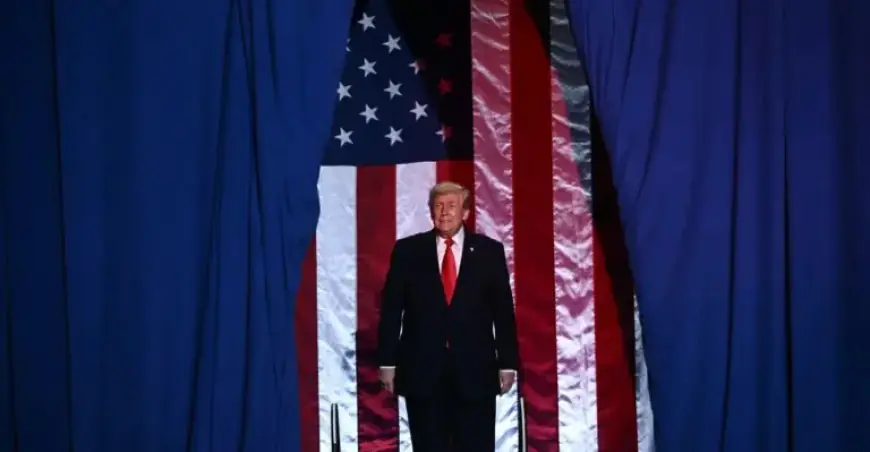
Concerns are escalating regarding the potential influence of former President Donald Trump on the upcoming 2026 midterm elections. Since his return to office, many Americans have questioned the integrity of the electoral process. In recent weeks, Trump’s actions and statements have raised alarms about possible election interference.
Trump’s Influence on Elections
Several significant events have contributed to fears that Trump is preparing to exert undue influence over the 2026 midterms. Recently, he expressed regret for not seizing voting machines in 2020. Additionally, he called for Republicans to “take over the voting” in multiple jurisdictions, citing at least 15 locations.
- Trump’s comment on regretting military action during the 2020 election.
- Call for Republican control in various voting areas.
- FBI’s seizure of ballots from Fulton County, Georgia.
Legal and Political Precedents
On January 28, the FBI conducted a raid on a government facility in Fulton County, Georgia, to collect 2020 election records, including ballots and voter rolls. This action has set a concerning legal precedent for future elections.
Experts, however, argue that attempts at election interference are likely to face institutional resistance. Wendy Weiser from the Brennan Center for Justice emphasized that recent activities suggest a foundation is being laid for potential election manipulation.
Potential Scenarios for Election Interference
Two primary scenarios have emerged as concerning possibilities:
- Trump could attempt to seize ballots and voting machines before votes are tallied.
- ICE may be deployed near polling places to deter voter turnout, particularly among marginalized communities.
The fear is that such actions could undermine the electoral process. The administration’s history of leveraging federal agencies for perceived electoral gain adds to these worries.
Challenges in Election Administration
The Trump administration’s previous executive orders suggest a systematic approach to undermine mail-in voting and question the legitimacy of results. Despite this, legal scholars believe that courts would likely challenge any unlawful actions during the imminent elections.
ICE’s Role in Voter Participation
Recent strategies have raised alarms regarding the potential misuse of ICE to suppress voter turnout. The request from U.S. Attorney General Pam Bondi for Minnesota’s voter rolls, tied to ICE operations, showcases the growing concern that immigration enforcement could be weaponized against voters.
The American Public’s Reaction
Despite these worrying developments, many experts maintain that Trump’s attempts to skew the election will likely fail. The threat of using federal agencies to control the election process has prompted a strong public and political backlash, which could constrain the administration’s actions.
Notably, past instances where aggressive ICE tactics were employed in Minnesota actually resulted in increased voter mobilization rather than suppression.
Conclusion
The potential for Trump to influence the 2026 midterms raises significant democratic concerns. While fears of election interference are justified, the resilience of American democratic institutions may prevent any successful manipulative efforts. As these events unfold, vigilance and public awareness remain crucial in safeguarding electoral integrity.