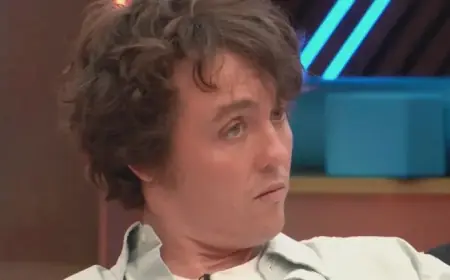





















All American halftime show draws attention as alternative Super Bowl broadcast debuts


A rival “All American halftime show” aired opposite the Super Bowl LX halftime performance on Sunday night, Feb. 8, 2026, turning what is usually a single, shared pop-culture moment into a split-screen political and entertainment story. The alternative production, organized by a conservative nonprofit, leaned into country-rock star power and overtly patriotic branding while the official halftime set centered on Puerto Rican artist Bad Bunny and Spanish-language music.
By Monday morning, Feb. 9, 2026, the conversation had shifted from the mere existence of a counterprogram to the fallout: questions about distribution after a last-minute streaming change, a wave of online debate over lip-syncing, and fresh political commentary that kept the competing broadcasts in the news cycle.
All American halftime show: What it was
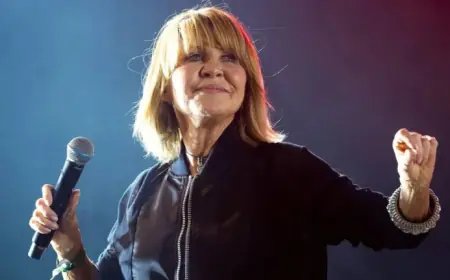
The “All American halftime show” was billed as a family-friendly alternative to the Super Bowl’s official halftime performance, running at the same time as the on-field show at Levi’s Stadium in Santa Clara, California. The lineup featured Kid Rock as the headliner, alongside country acts Brantley Gilbert, Lee Brice, and Gabby Barrett.
The production positioned itself as a celebration of “faith, family, and freedom,” and it opened with a tribute segment tied to the organization’s founder, who was killed in 2025. The staging and setlist emphasized familiar hits and arena-style spectacle, aiming to feel like a standalone concert rather than an on-field halftime package.
A last-minute distribution shakeup
Hours before kickoff, organizers said they faced restrictions that prevented the show from being carried on one major social network. The broadcast ultimately redirected to another widely used video service, forcing viewers to change plans at the last minute.
That shift mattered for reach and perception. Unlike the Super Bowl halftime show—built into the live game broadcast—this alternative depended on viewers choosing to open a separate stream and stick with it during the game’s most-watched intermission.
The official halftime show that sparked the counterprogram
Bad Bunny’s Super Bowl LX halftime performance mixed reggaeton and pop with overt cultural references, including traditional styling and Spanish-language lyrics. Celebrity cameos added to the spectacle, and the set ended with an inclusive message that quickly became a lightning rod in polarized commentary.
The performance also became a fast-moving digital yardstick. As of late morning Monday, Feb. 9, 2026 (around 11:00 a.m. ET), early public view counts for the official halftime video release were already in eight figures, while the alternative broadcast tallied in the millions. These figures can shift quickly as clips are reposted and aggregated across accounts and services.
Reaction: entertainment critique meets politics
The alternative broadcast drew a mix of praise from fans who wanted a more traditional, rock-and-country lineup and criticism from viewers who found it unnecessary or derivative. Much of the loudest debate centered on Kid Rock, with online commenters alleging parts of his performance relied on backing tracks or playback rather than fully live vocals.
Separately, the event was pulled further into politics after former President Donald Trump publicly criticized Bad Bunny’s halftime show. The remarks helped keep both halftime productions in the headlines Monday, reframing the entertainment story as a proxy fight over cultural identity and what a mass-audience stage should look like.
What happens next for the rival show
Organizers signaled interest in repeating the concept next year, suggesting the counterprogram could become an annual fixture if financing and distribution remain viable. Whether it lasts may hinge on three practical factors: audience scale, sponsor support, and frictionless access at game time.
Key takeaways:
-
The alternative show ran simultaneously with the Super Bowl LX halftime performance on Feb. 8, 2026.
-
A late distribution change pushed viewers to a different video outlet shortly before kickoff.
-
Online debate focused on performance authenticity and the broader politics surrounding halftime entertainment.
Sources consulted: Reuters, Variety, Billboard, TV Insider